

More about the book
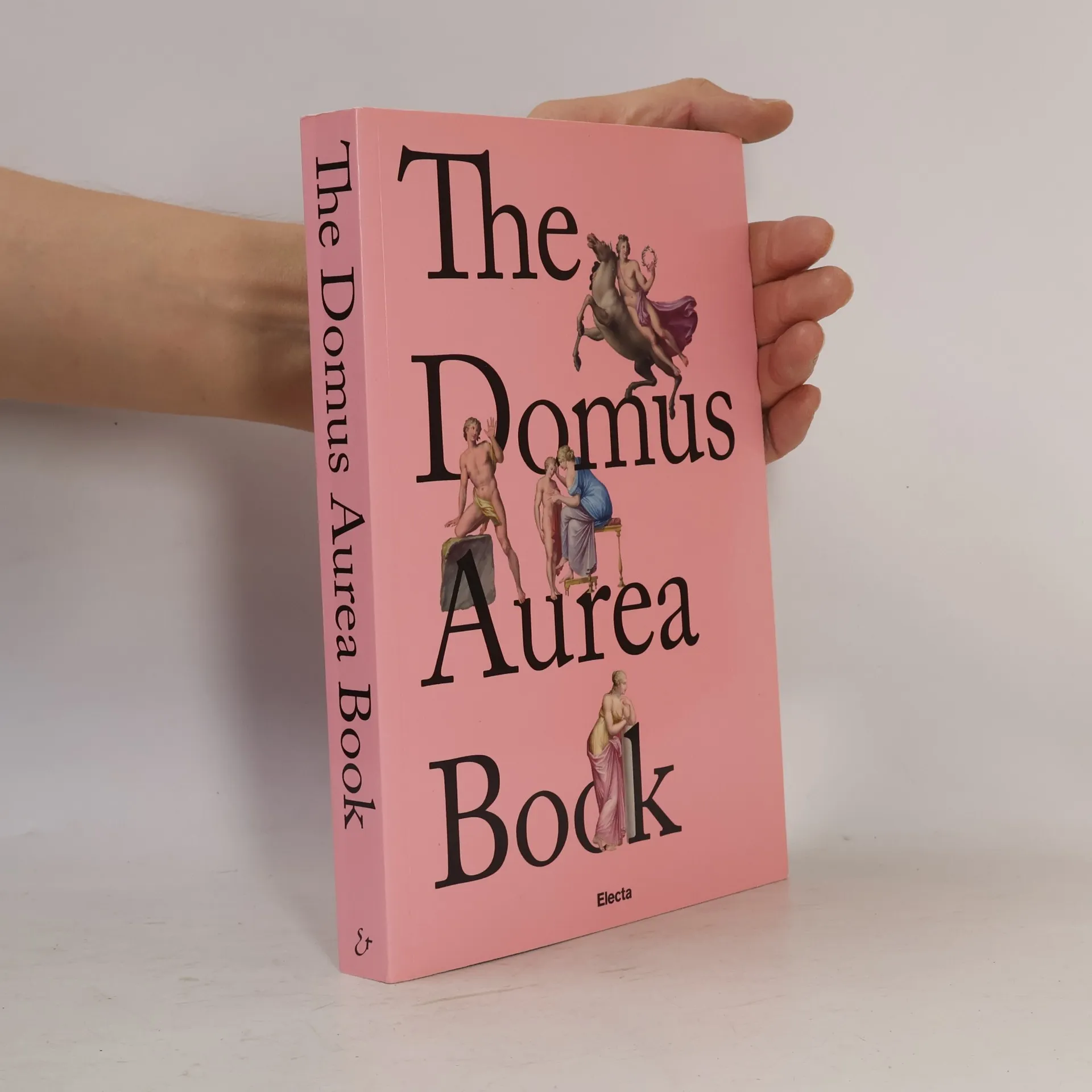
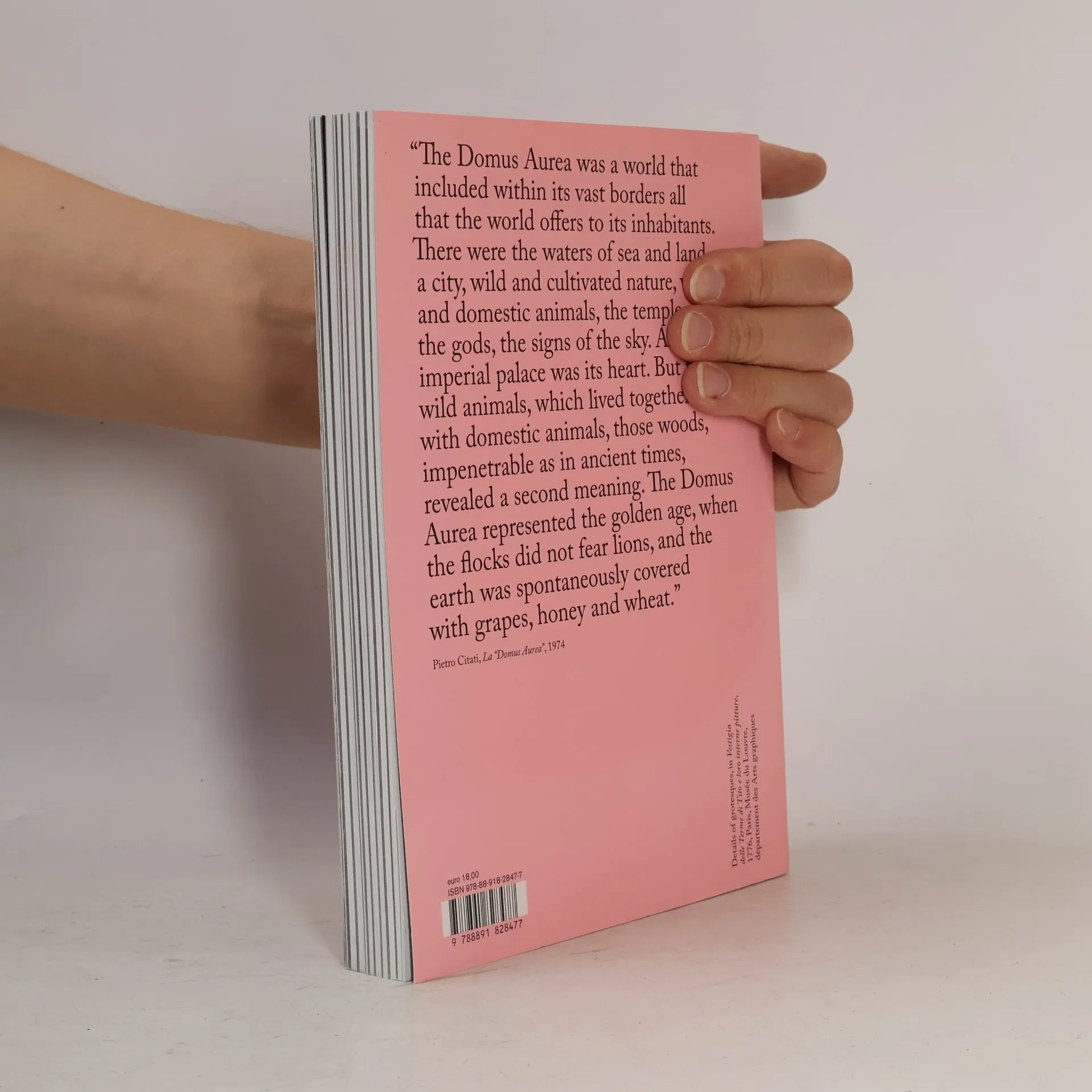
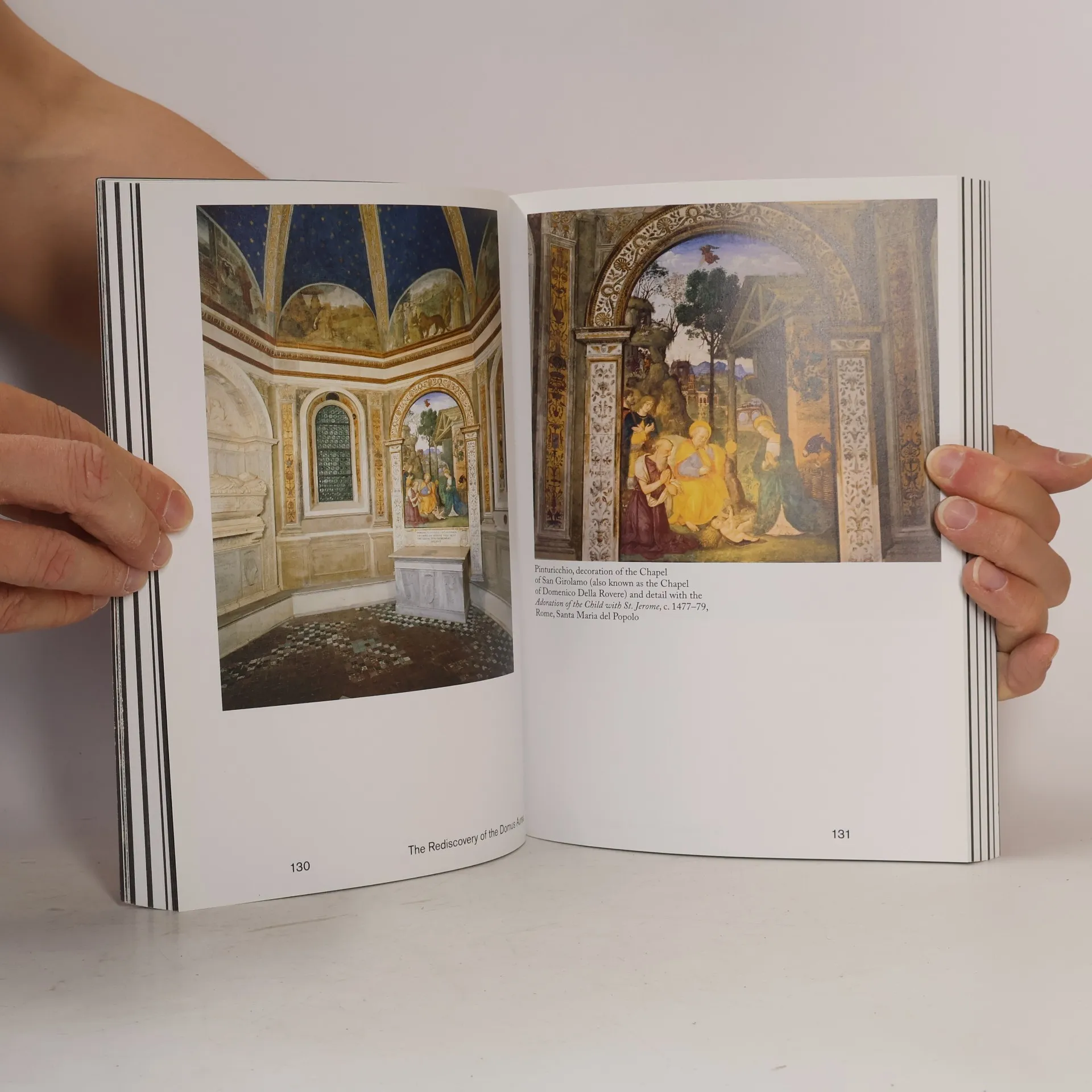
The palace of Nero is a visionary monument, decorated with monsters, fantastic animals and mythical scenes taken from the Homeric poems to create a colourful and seductive imagery. The part of this sumptuous ostentation of power that survived the damnatio memoriae of the emperor after his death is the pavilion on the Oppian Hill, over which the foundations of the new Baths of Trajan were built.0The volume opens with a portrait of Nero, a prince-artist whose complexity can only be guessed between the lines of a violently hostile biographical tradition. There follow, in order, the vicissitudes of the building, between rediscoveries (in the 15th century) and new condemnations (after the Council of Trent), an investigation into the ?grotesque? style from Raphael to the present day and a final chapter on the links with the imagery of contemporary art. The images that accompany the texts, as in all the volumes in this series, range from 19th-century paintings to maps and archaeological finds and, together with quotations, give the reader an unconventional and yet scholarly overview of the history of this magnificent monument.
Book purchase
The Domus Aurea Book. Ediz. Inglese, Vincenzo Farinella
- Language

- Released
- 2019
- Binding
- (Paperback)
Payment methods
No one has rated yet.
- Title
- The Domus Aurea Book. Ediz. Inglese
- Language
- English
- Authors
- Vincenzo Farinella
- Publisher
- Electa
- Released
- 2019
- Format
- Paperback
- Pages
- 256
- ISBN10
- 8891828475
- ISBN13
- 9788891828477
- Series
- Categories
- Tags
- Ancient Rome
- Description
- The palace of Nero is a visionary monument, decorated with monsters, fantastic animals and mythical scenes taken from the Homeric poems to create a colourful and seductive imagery. The part of this sumptuous ostentation of power that survived the damnatio memoriae of the emperor after his death is the pavilion on the Oppian Hill, over which the foundations of the new Baths of Trajan were built.0The volume opens with a portrait of Nero, a prince-artist whose complexity can only be guessed between the lines of a violently hostile biographical tradition. There follow, in order, the vicissitudes of the building, between rediscoveries (in the 15th century) and new condemnations (after the Council of Trent), an investigation into the ?grotesque? style from Raphael to the present day and a final chapter on the links with the imagery of contemporary art. The images that accompany the texts, as in all the volumes in this series, range from 19th-century paintings to maps and archaeological finds and, together with quotations, give the reader an unconventional and yet scholarly overview of the history of this magnificent monument.