

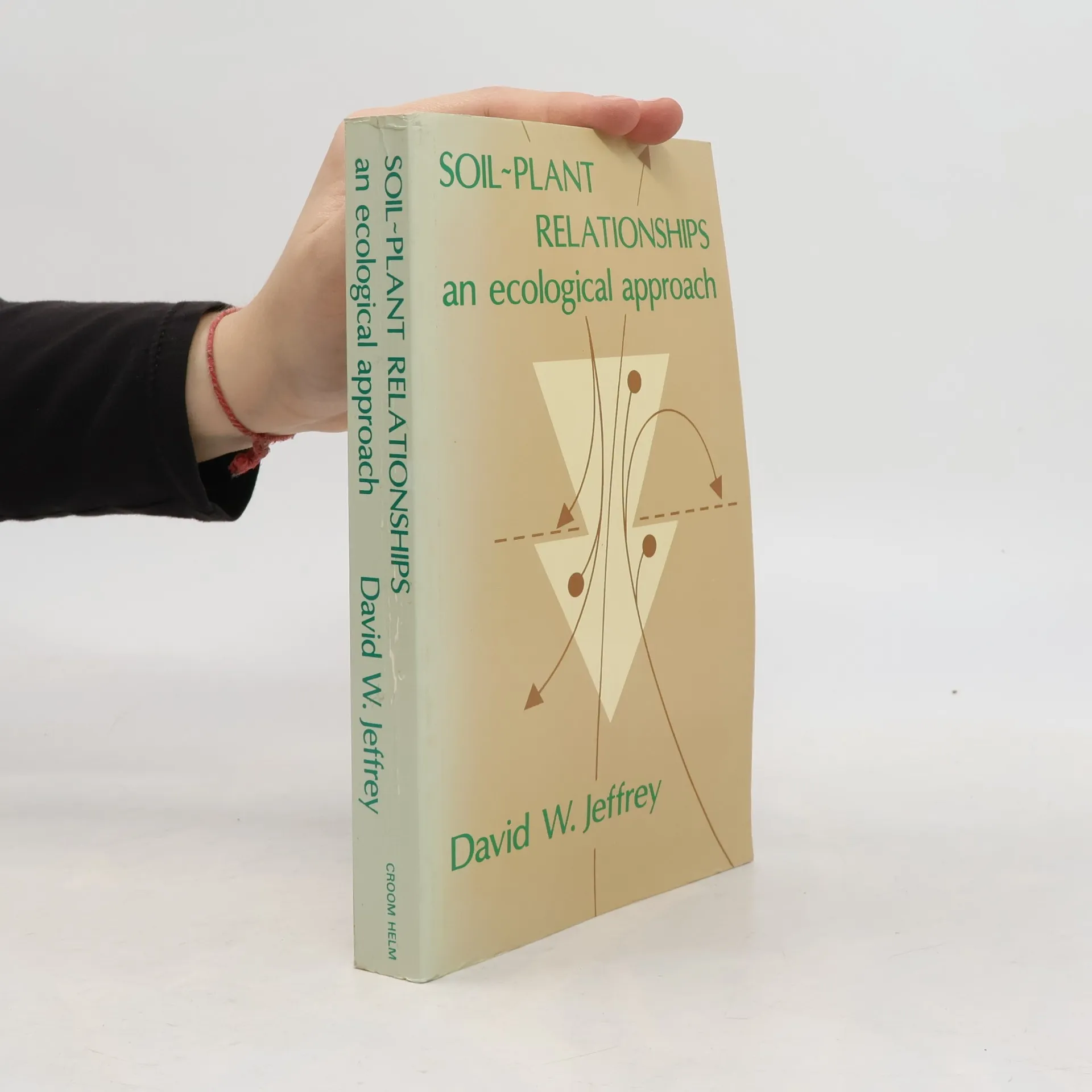


More about the book
Soil-plant relationships have evolved from a limited focus on optimizing conditions for plant growth and correlating plant community distributions with soil types to a broader understanding influenced by ecosystem concepts. The International Biological Programme has spurred a wealth of information, revealing that some soil-related ecological issues have molecular underpinnings that require physiological or biochemical solutions. This shift from ecosystem to molecular perspectives has equipped us with advanced tools to enhance ecological data flow and interpretation. Current global challenges, including desertification, soil degradation from deforestation, watershed acidification, and the dispersal of pollutants, necessitate a deeper understanding of soil-plant dynamics. Addressing these issues is not just about identifying problems but also about developing strategies to mitigate their impacts. This book serves as a comprehensive guide to soil-plant relationships, focusing on ecology while also appealing to geography and agriculture students. It integrates various subfields, including microbiology, plant physiology, and systematics, and explores connections with animal biology, meteorology, and soil science, making it a valuable resource for a wide audience.
Book purchase
Soil~Plant Relationships, David W. Jeffrey
- Language

- Released
- 1987
- Binding
- (Paperback),
- Book condition
- Good
- Price
- €19.99
Payment methods
No one has rated yet.
- Title
- Soil~Plant Relationships
- Subtitle
- An Ecological Approach
- Language
- English
- Authors
- David W. Jeffrey
- Publisher
- Springer
- Released
- 1987
- Format
- Paperback
- Pages
- 304
- ISBN10
- 0709914644
- ISBN13
- 9780709914648
- Series
- Tags
- Natural sciences, References & Manuals, Science, Environmental Themes, Water, Physiology, Plant Physiology
- Description
- Soil-plant relationships have evolved from a limited focus on optimizing conditions for plant growth and correlating plant community distributions with soil types to a broader understanding influenced by ecosystem concepts. The International Biological Programme has spurred a wealth of information, revealing that some soil-related ecological issues have molecular underpinnings that require physiological or biochemical solutions. This shift from ecosystem to molecular perspectives has equipped us with advanced tools to enhance ecological data flow and interpretation. Current global challenges, including desertification, soil degradation from deforestation, watershed acidification, and the dispersal of pollutants, necessitate a deeper understanding of soil-plant dynamics. Addressing these issues is not just about identifying problems but also about developing strategies to mitigate their impacts. This book serves as a comprehensive guide to soil-plant relationships, focusing on ecology while also appealing to geography and agriculture students. It integrates various subfields, including microbiology, plant physiology, and systematics, and explores connections with animal biology, meteorology, and soil science, making it a valuable resource for a wide audience.