

More about the book
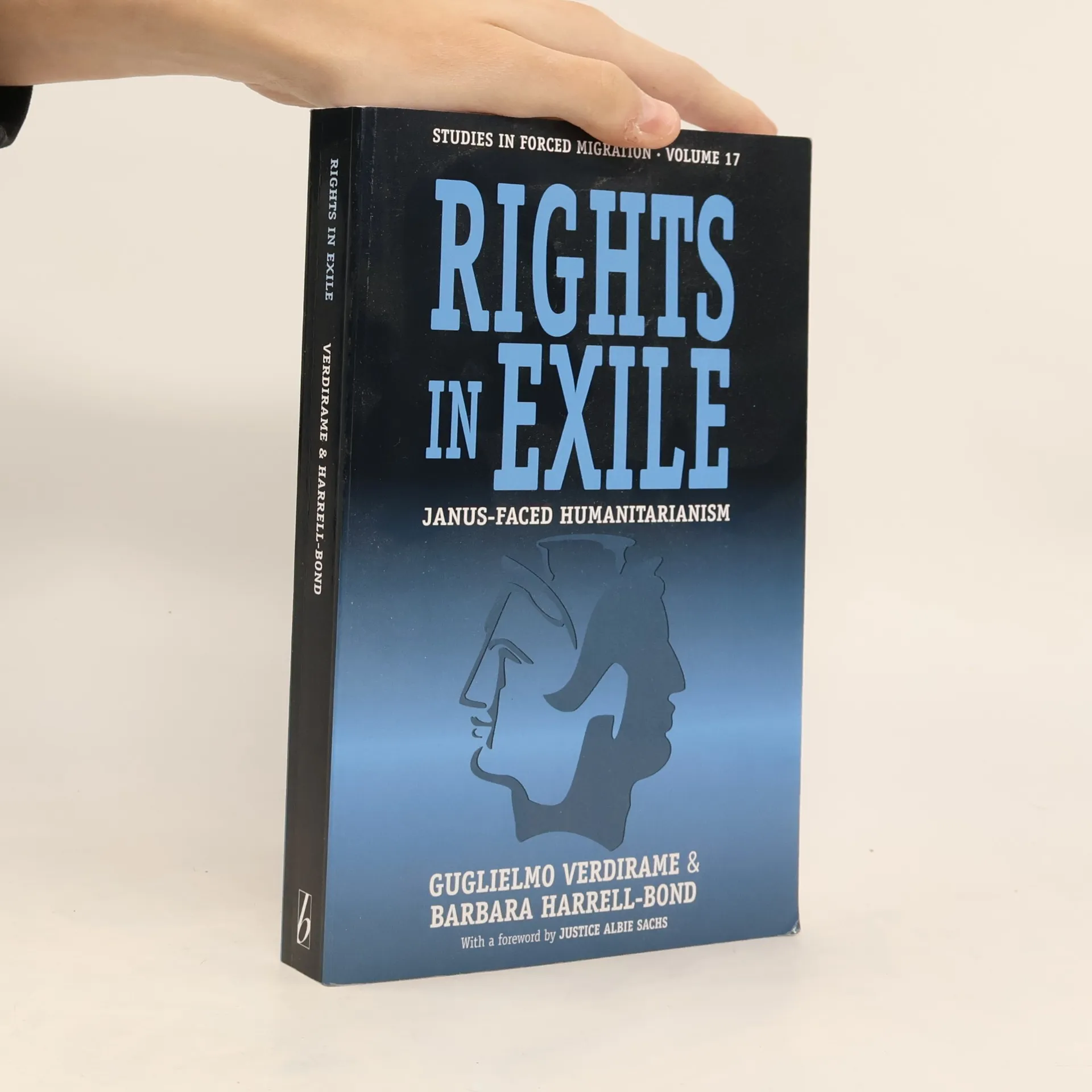
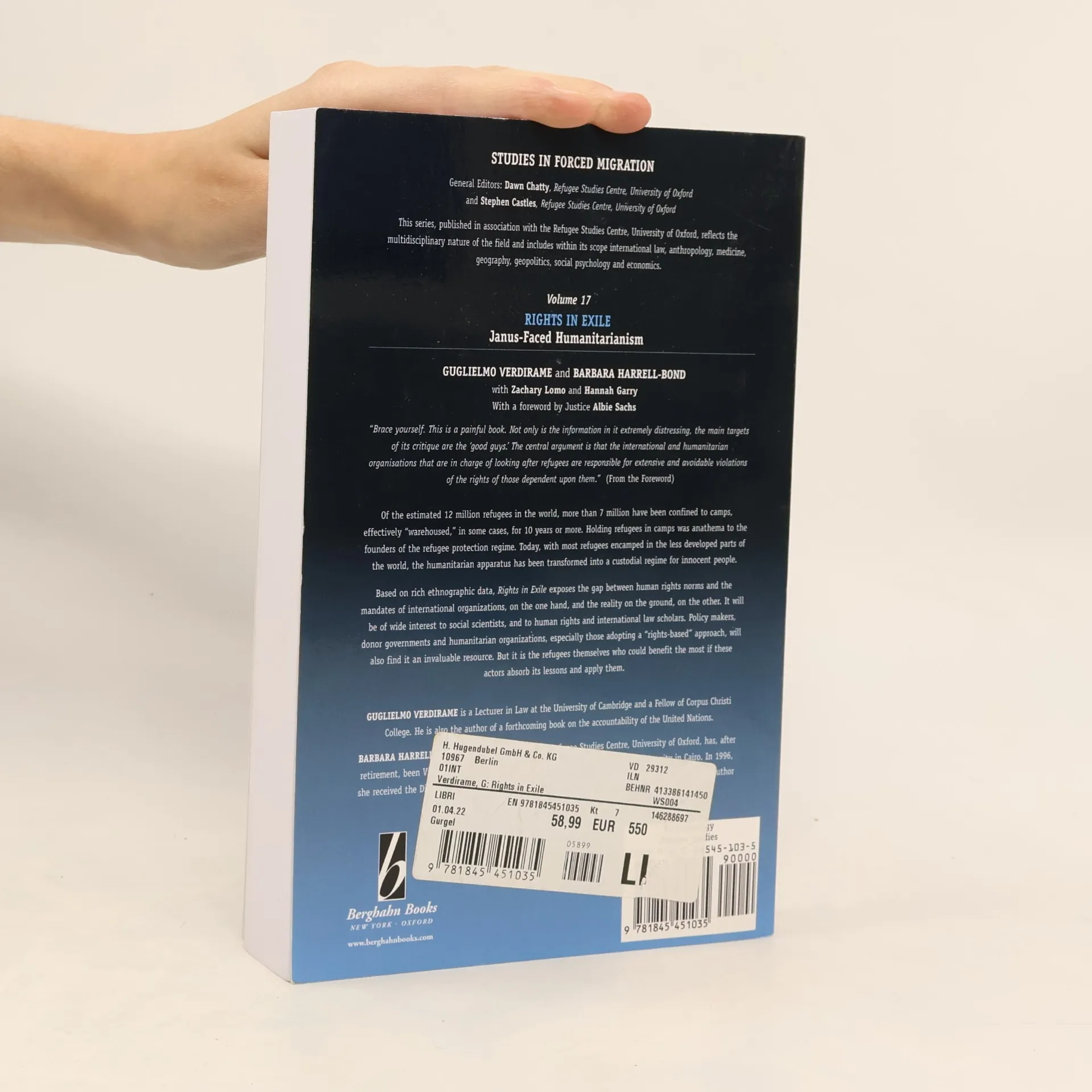
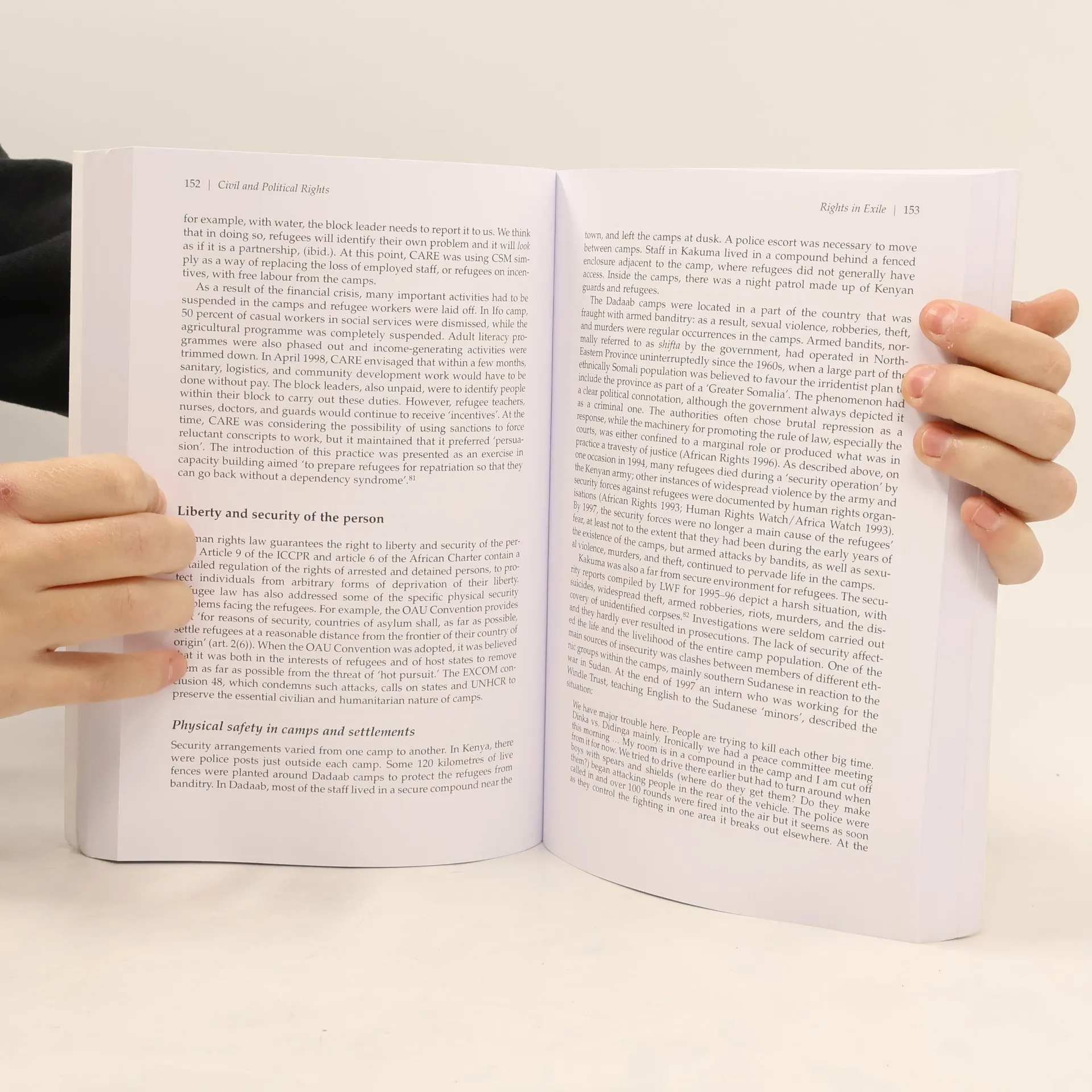
Of the estimated 12 million refugees in the world, more than 7 million have been confined to camps, effectively "warehoused," in some cases, for 10 years or more. Holding refugees in camps was anathema to the founders of the refugee protection regime. Today, with most refugees encamped in the less developed parts of the world, the humanitarian apparatus has been transformed into a custodial regime for innocent people. Based on rich ethnographic data, Rights in Exile exposes the gap between human rights norms and the mandates of international organisations, on the one hand, and the reality on the ground, on the other. It will be of wide interest to social scientists, and to human rights and international law scholars. Policy makers, donor governments and humanitarian organizations, especially those adopting a "rights-based" approach, will also find it an invaluable resource. But it is the refugees themselves who could benefit the most if these actors absorb its lessons and apply them.
Book purchase
Rights in Exile, Guglielmo Verdirame, Zachary Lomo, Barbara Harrell-Bond, Hannah Garry
- Language

- Released
- 2005
- Binding
- (Paperback),
- Book condition
- Very Good
- Price
- €8.19
Payment methods
No one has rated yet.
- Title
- Rights in Exile
- Subtitle
- Janus-Faced Humanitarianism
- Language
- English
- Publisher
- Berghahn Books
- Released
- 2005
- Format
- Paperback
- Pages
- 416
- ISBN10
- 1845451031
- ISBN13
- 9781845451035
- Series
- Description
- Of the estimated 12 million refugees in the world, more than 7 million have been confined to camps, effectively "warehoused," in some cases, for 10 years or more. Holding refugees in camps was anathema to the founders of the refugee protection regime. Today, with most refugees encamped in the less developed parts of the world, the humanitarian apparatus has been transformed into a custodial regime for innocent people. Based on rich ethnographic data, Rights in Exile exposes the gap between human rights norms and the mandates of international organisations, on the one hand, and the reality on the ground, on the other. It will be of wide interest to social scientists, and to human rights and international law scholars. Policy makers, donor governments and humanitarian organizations, especially those adopting a "rights-based" approach, will also find it an invaluable resource. But it is the refugees themselves who could benefit the most if these actors absorb its lessons and apply them.