


Parameters
- 142 pages
- 5 hours of reading
More about the book
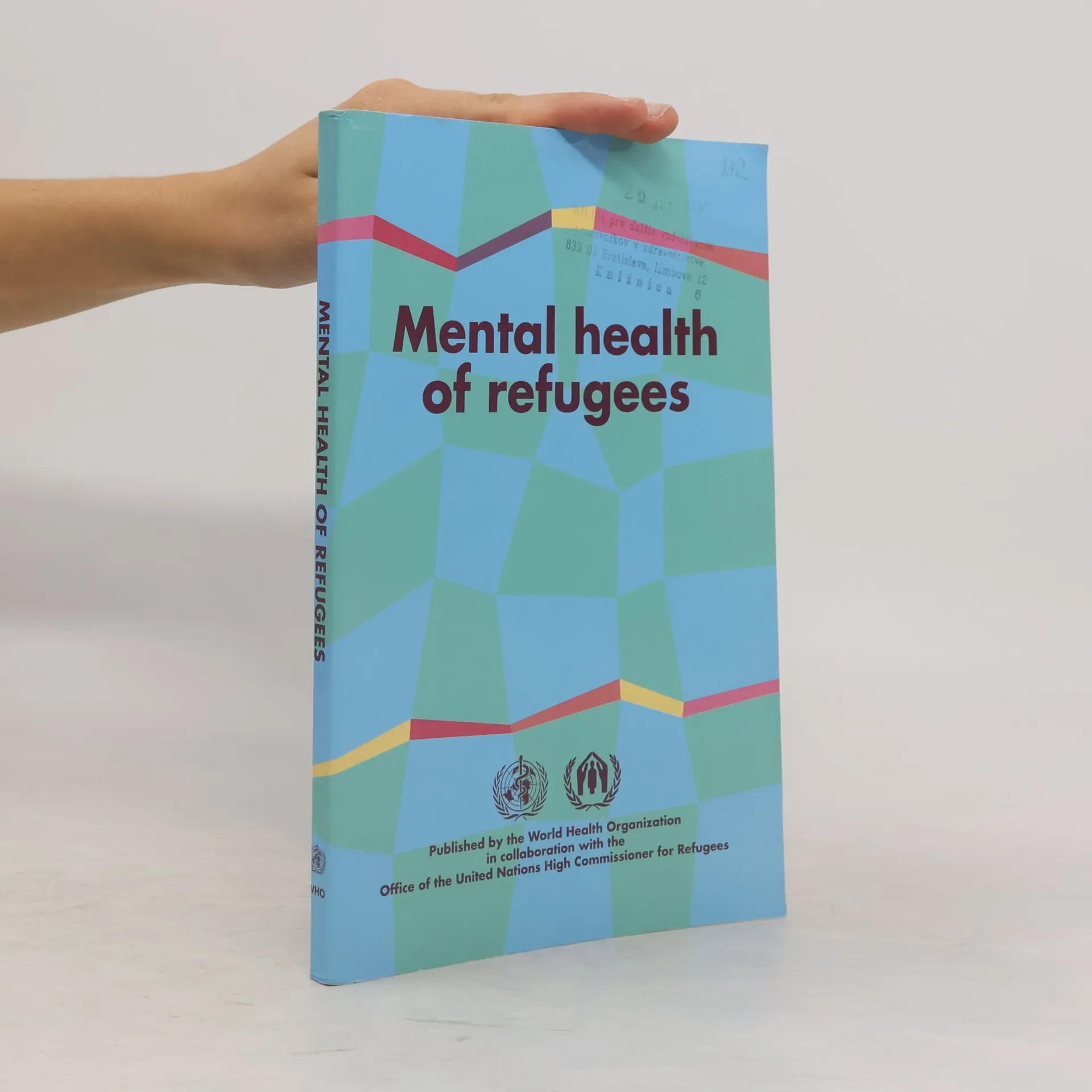
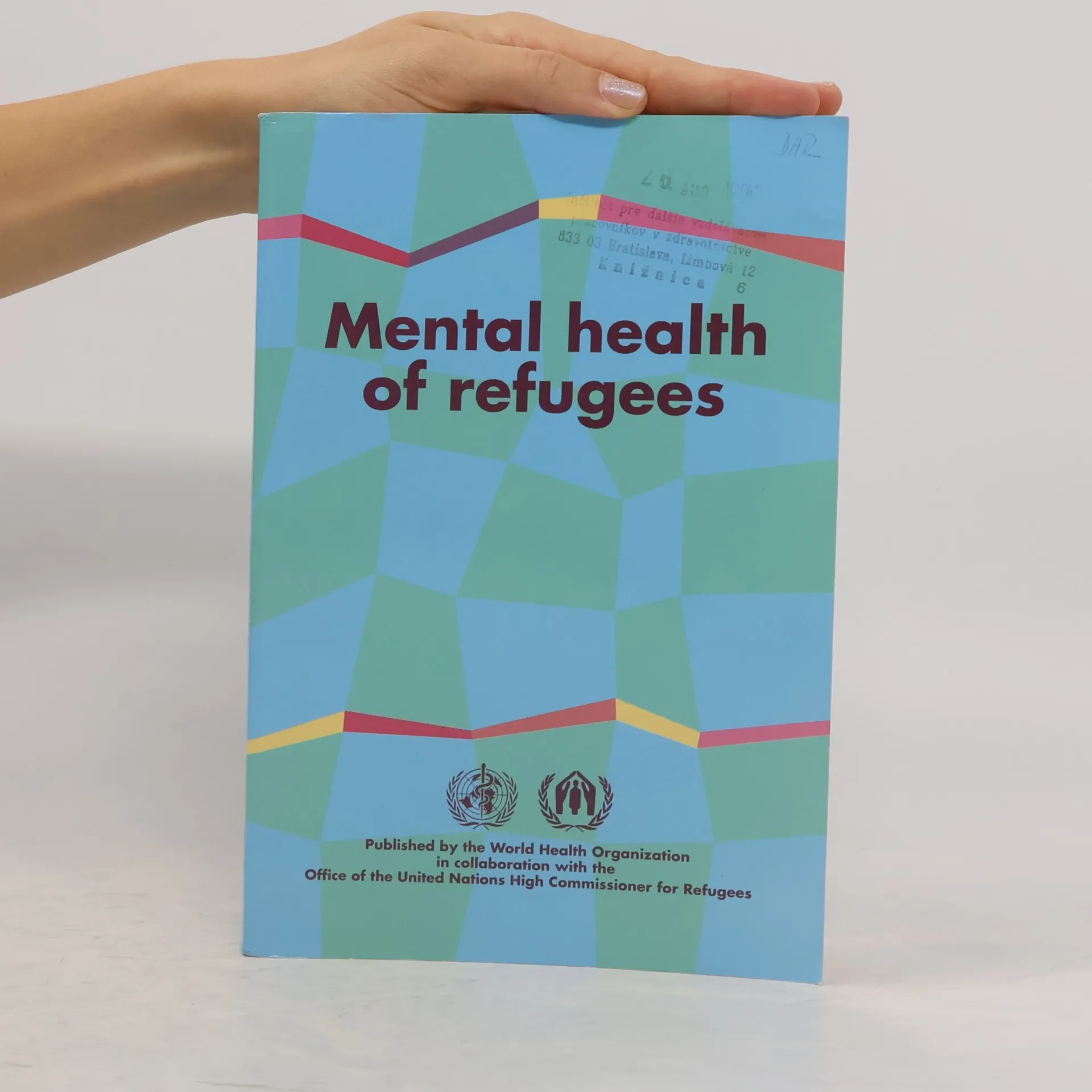
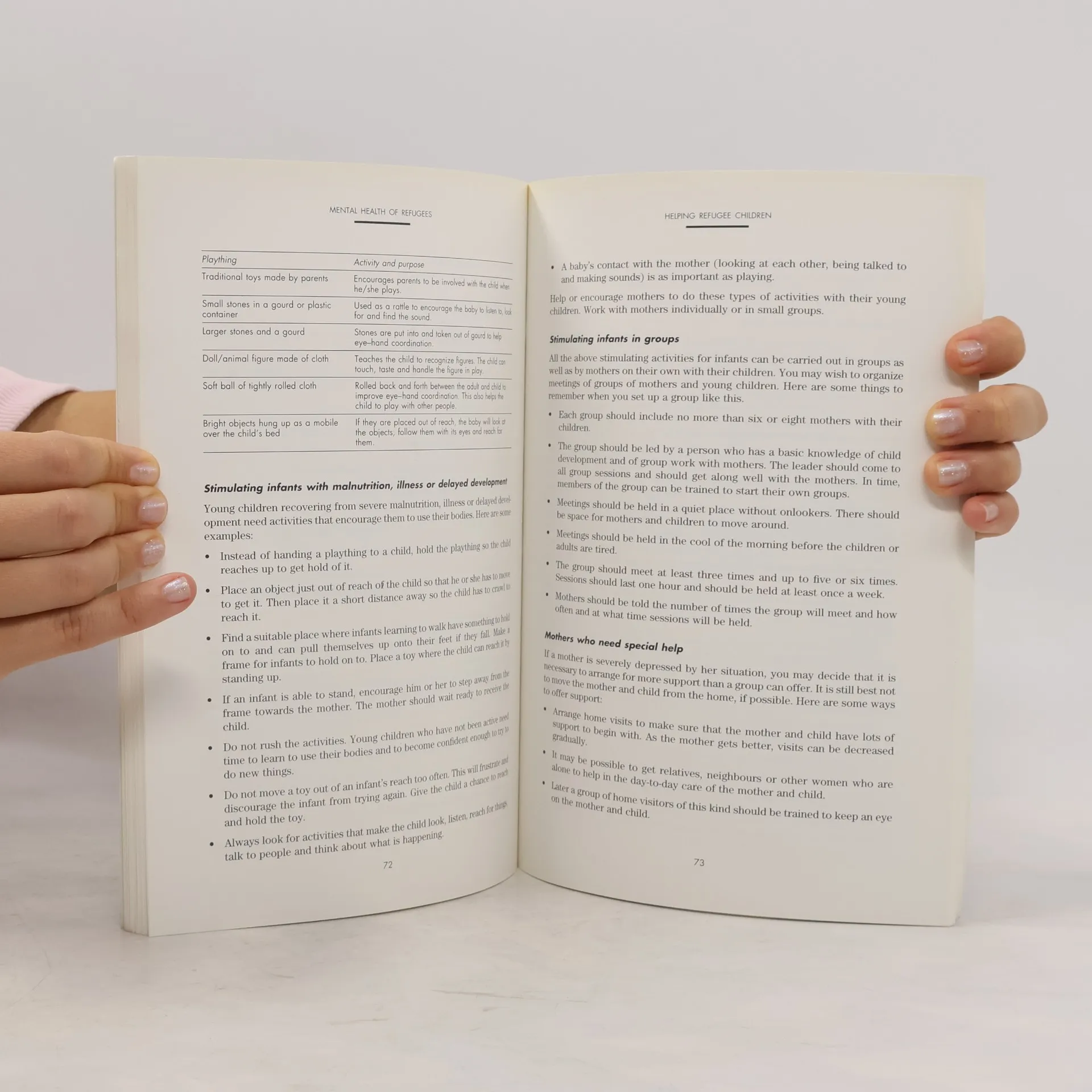
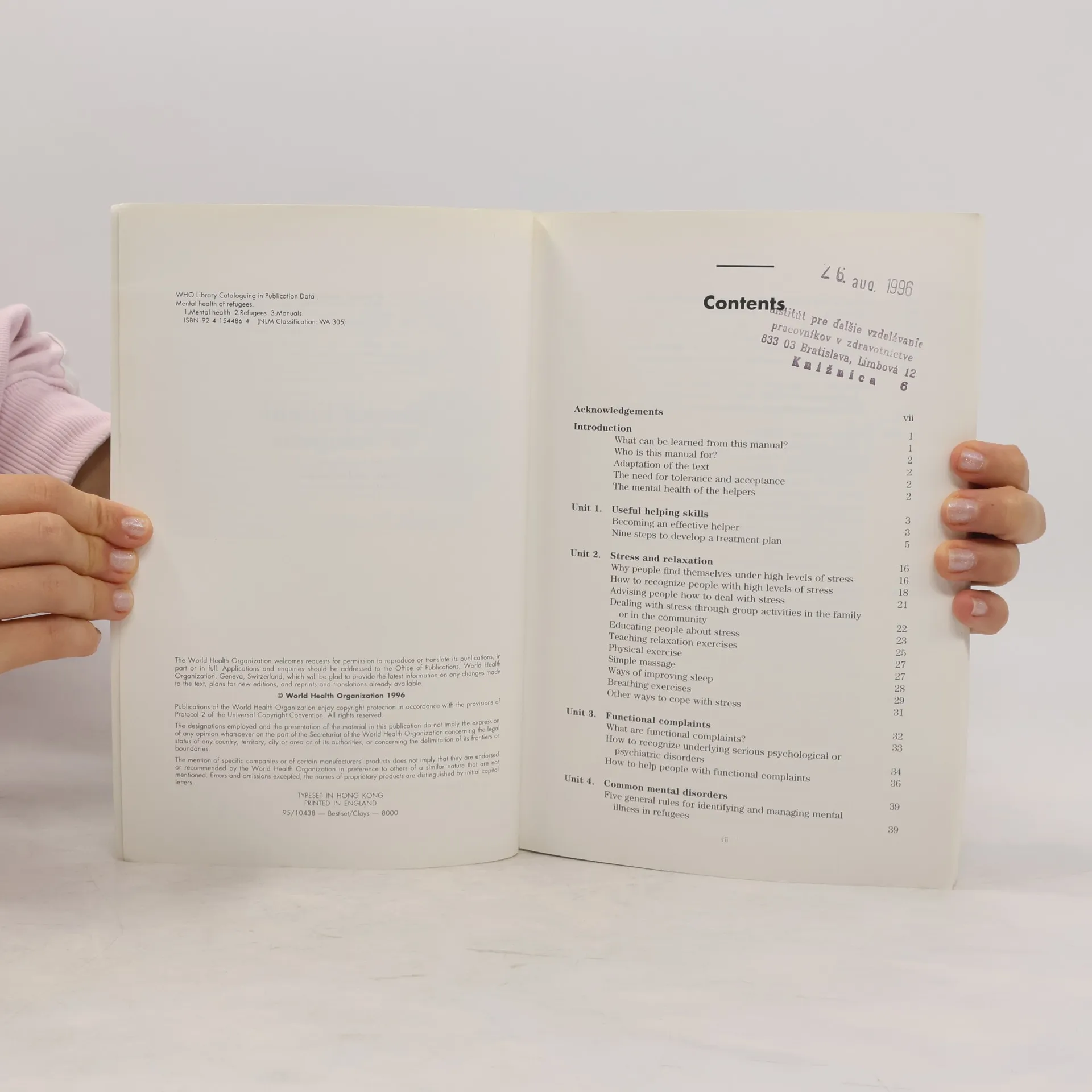
This manual serves as a guide for recognizing and managing mental health issues in refugees and displaced individuals, developed by WHO in collaboration with the UN High Commissioner for Refugees. It addresses the significant mental health threats posed by trauma, loss, and bereavement faced by refugees. The aim is to equip non-specialist relief workers with the skills to identify common mental health problems and manage them effectively, from simple relaxation techniques to referrals for specialized care. The first training unit covers effective communication principles and outlines steps for creating treatment plans. The second unit offers simple exercises to help alleviate stress and improve sleep. Unit three addresses functional complaints and provides guidance on medication use. Unit four focuses on identifying and managing common mental disorders. A key chapter highlights the unique mental health needs of refugee children, detailing how to recognize their specific issues and the appropriate support for various age groups. Additional units discuss mental disorders treatable by traditional healers and provide strategies for recognizing and managing substance abuse. The final sections offer approaches for assisting individuals who have endured torture, violence, or sexual assault.
Book purchase
Mental Health of Refugees, World Health Organization, The Office of the United Nations High Commissioner for Refugees
- Language

- Released
- 1996
- Binding
- (Paperback),
- Book condition
- Damaged
- Price
- €10.31
Payment methods
No one has rated yet.
- Title
- Mental Health of Refugees
- Language
- English
- Publisher
- World Health Organization
- Released
- 1996
- Format
- Paperback
- Pages
- 142
- ISBN10
- 9241544864
- ISBN13
- 9789241544863
- Series
- Categories
- Tags
- Medicine, Professional Literature, Society, Mental Health, Healthcare, Human Rights, Social Work, Refugees
- Description
- This manual serves as a guide for recognizing and managing mental health issues in refugees and displaced individuals, developed by WHO in collaboration with the UN High Commissioner for Refugees. It addresses the significant mental health threats posed by trauma, loss, and bereavement faced by refugees. The aim is to equip non-specialist relief workers with the skills to identify common mental health problems and manage them effectively, from simple relaxation techniques to referrals for specialized care. The first training unit covers effective communication principles and outlines steps for creating treatment plans. The second unit offers simple exercises to help alleviate stress and improve sleep. Unit three addresses functional complaints and provides guidance on medication use. Unit four focuses on identifying and managing common mental disorders. A key chapter highlights the unique mental health needs of refugee children, detailing how to recognize their specific issues and the appropriate support for various age groups. Additional units discuss mental disorders treatable by traditional healers and provide strategies for recognizing and managing substance abuse. The final sections offer approaches for assisting individuals who have endured torture, violence, or sexual assault.