

More about the book
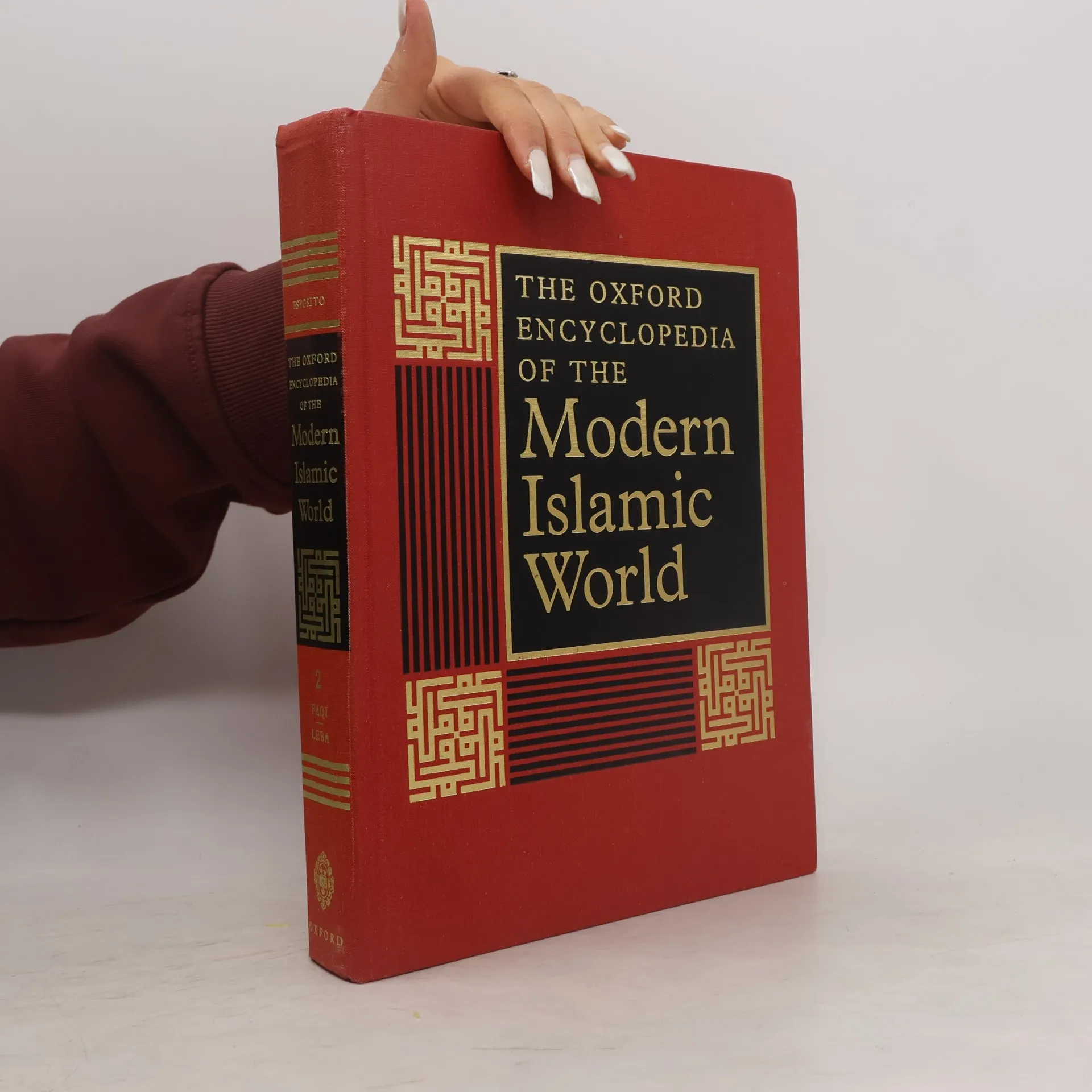
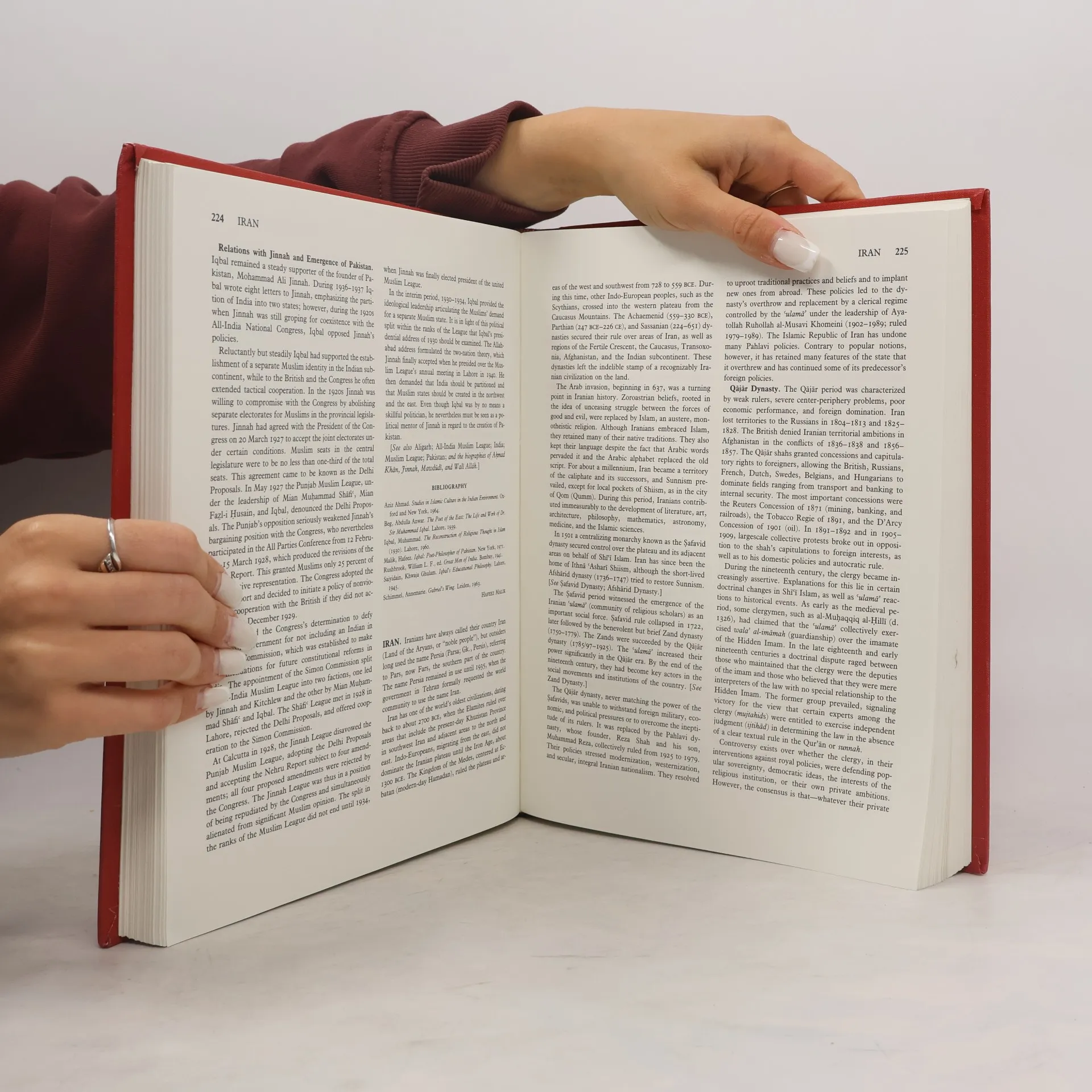
This comprehensive encyclopedia serves as a unique reference for institutions, religion, politics, and culture in Muslim societies globally, with a focus on the nineteenth and twentieth centuries. It features over 750 articles across four volumes, covering Muslims in the Arab heartland, South and Southeast Asia, Europe, and the Americas. The Encyclopedia provides extensive comparative analyses of Islamic beliefs, institutions, movements, practices, and peoples on an international scale. Articles are alphabetically arranged, ranging from concise 500-word essays to in-depth treatments of topics such as the Islamic state, pilgrimage, law, marriage, and foreign relations. It also addresses general interest areas like social and political movements, women, Muslim minorities, human rights, Islam in the West, and interreligious affairs. Prominent figures who significantly impacted Islam, including Muhammad, Aga Khan, Malcolm X, Muhammad Iqbal, 'Ali Shari 'ati, Ayatollah Khomeini, and Hasan al-Turabi, are explored. This multidisciplinary work reflects contemporary scholarship in Islamic studies, using tools from the humanities and social sciences to examine the interplay of religion, politics, and culture in Muslim societies. It is an invaluable resource for scholars, students, government and media analysts, and anyone seeking to deepen their understanding of Islamic politics and culture.
Book purchase
The Oxford Encyclopedia of the Modern Islamic World, Vol. 2, John Esposito
- Language

- Released
- 1995
- Binding
- (Hardcover)
Payment methods
No one has rated yet.
- Title
- The Oxford Encyclopedia of the Modern Islamic World, Vol. 2
- Subtitle
- Faqi-Leba
- Language
- English
- Authors
- John Esposito
- Publisher
- Oxford University Press
- Released
- 1995
- Format
- Hardcover
- Pages
- 488
- ISBN10
- 0195096134
- ISBN13
- 9780195096132
- Series
- Description
- This comprehensive encyclopedia serves as a unique reference for institutions, religion, politics, and culture in Muslim societies globally, with a focus on the nineteenth and twentieth centuries. It features over 750 articles across four volumes, covering Muslims in the Arab heartland, South and Southeast Asia, Europe, and the Americas. The Encyclopedia provides extensive comparative analyses of Islamic beliefs, institutions, movements, practices, and peoples on an international scale. Articles are alphabetically arranged, ranging from concise 500-word essays to in-depth treatments of topics such as the Islamic state, pilgrimage, law, marriage, and foreign relations. It also addresses general interest areas like social and political movements, women, Muslim minorities, human rights, Islam in the West, and interreligious affairs. Prominent figures who significantly impacted Islam, including Muhammad, Aga Khan, Malcolm X, Muhammad Iqbal, 'Ali Shari 'ati, Ayatollah Khomeini, and Hasan al-Turabi, are explored. This multidisciplinary work reflects contemporary scholarship in Islamic studies, using tools from the humanities and social sciences to examine the interplay of religion, politics, and culture in Muslim societies. It is an invaluable resource for scholars, students, government and media analysts, and anyone seeking to deepen their understanding of Islamic politics and culture.