


More about the book
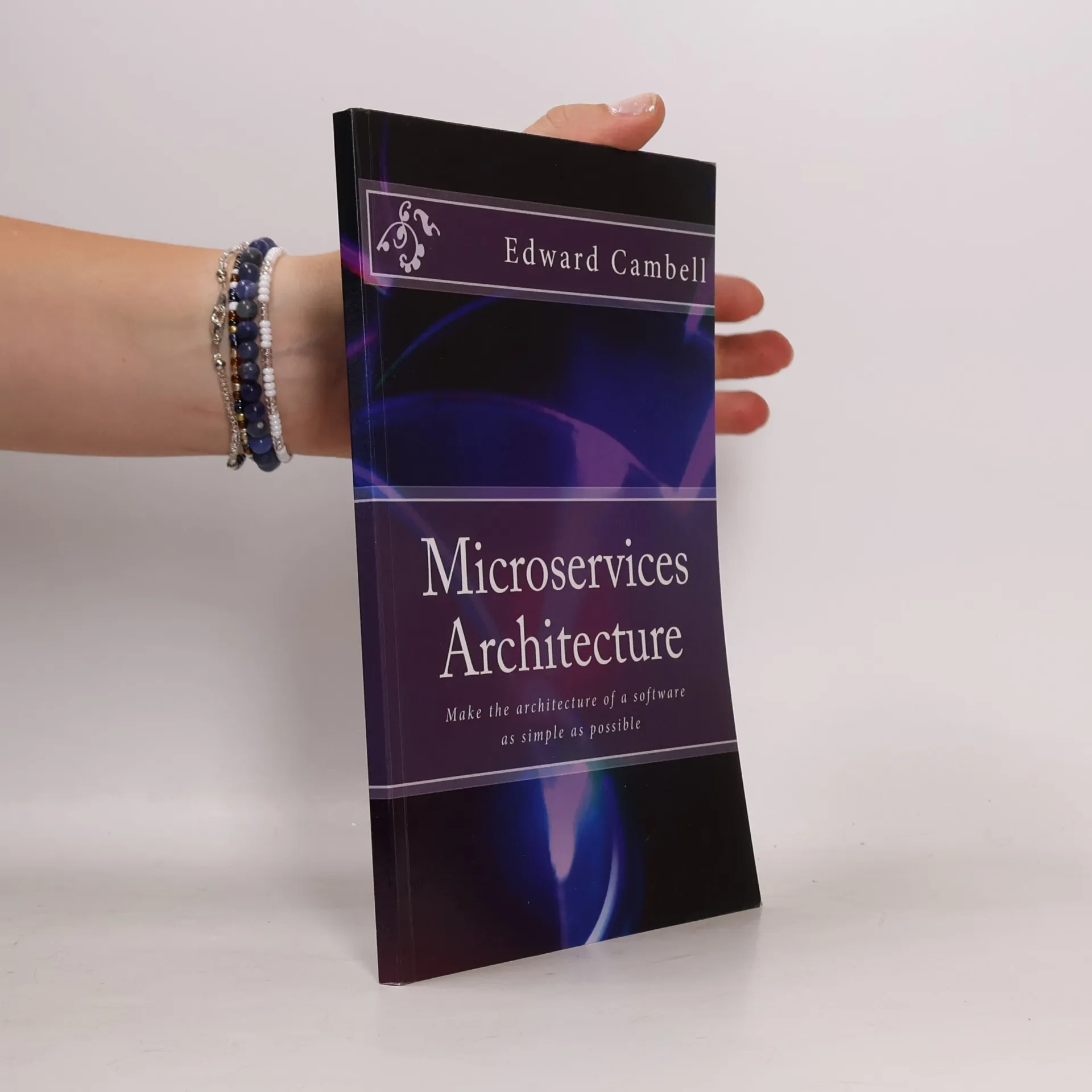
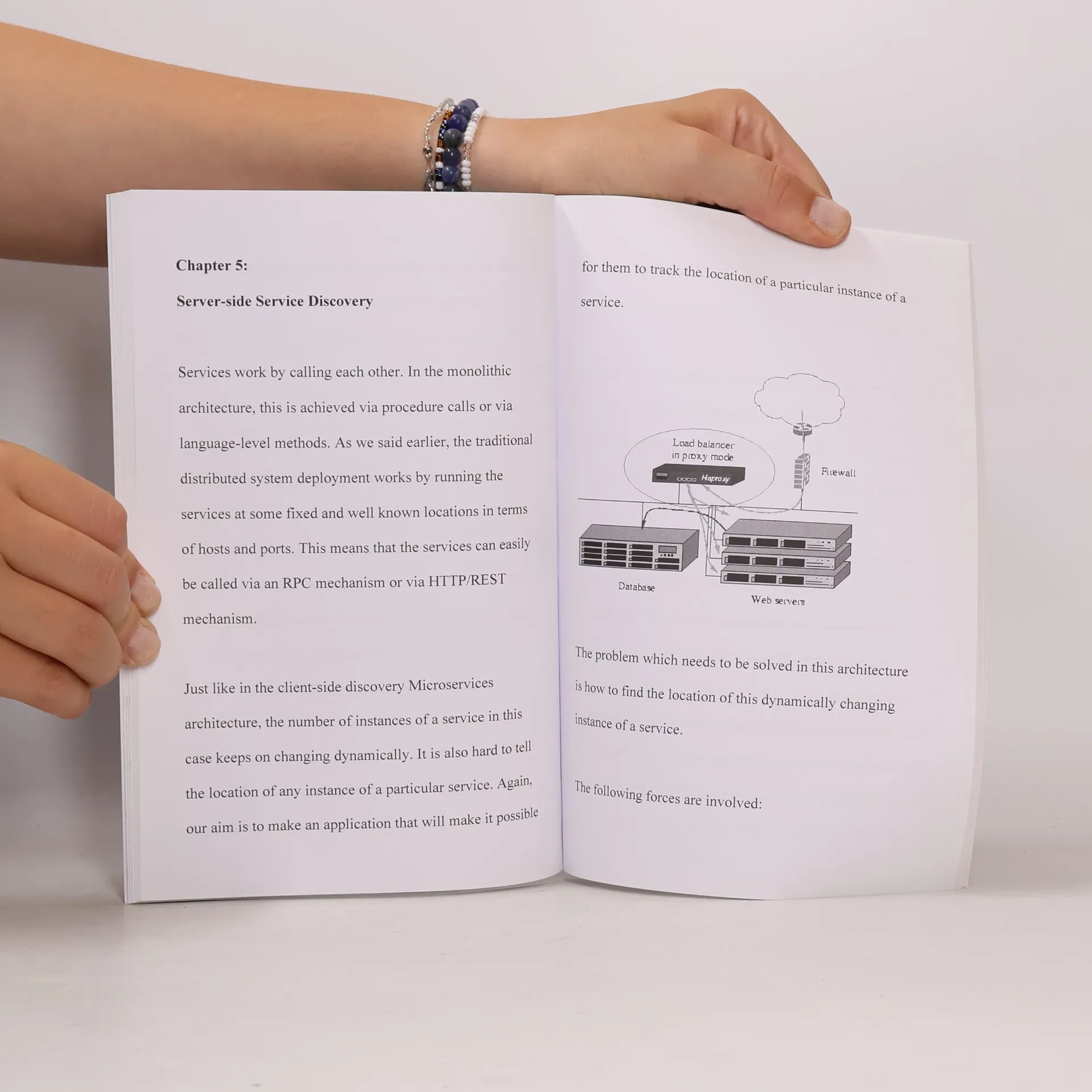
Microservices Architecture emphasizes simplifying software architecture to enhance user interaction, making it accessible even for non-experts. This approach involves breaking down applications into individual components known as services. It's crucial to decide whether these services should communicate with one another, which can occur synchronously or asynchronously. Understanding how to decompose applications into services is essential, and various strategies exist for this purpose. Additionally, service registration is a key aspect, where instances of a service register with a service registry upon startup and deregister upon shutdown. Services can either self-register or be registered manually. The architecture includes various patterns, each with its pros and cons. Key topics covered include Monolithic Architecture, API Gateway, Client-side and Server-side Service Discovery, 3rd Party Registration, Self Registration, and Service Registry. The document also discusses service instances per host, VM, and container, providing insights into managing multiple service instances effectively. To explore these concepts further, consider obtaining a copy of this insightful guide.
Book purchase
Microservices Architecture, Edward Cambell
- Language

- Released
- 2016
- Binding
- (Paperback)
Payment methods
No one has rated yet.
- Title
- Microservices Architecture
- Subtitle
- Make the architecture of a software as simple as possible
- Language
- English
- Authors
- Edward Cambell
- Released
- 2016
- Format
- Paperback
- Pages
- 96
- ISBN10
- 153000053X
- ISBN13
- 9781530000531
- Series
- Tags
- Description
- Microservices Architecture emphasizes simplifying software architecture to enhance user interaction, making it accessible even for non-experts. This approach involves breaking down applications into individual components known as services. It's crucial to decide whether these services should communicate with one another, which can occur synchronously or asynchronously. Understanding how to decompose applications into services is essential, and various strategies exist for this purpose. Additionally, service registration is a key aspect, where instances of a service register with a service registry upon startup and deregister upon shutdown. Services can either self-register or be registered manually. The architecture includes various patterns, each with its pros and cons. Key topics covered include Monolithic Architecture, API Gateway, Client-side and Server-side Service Discovery, 3rd Party Registration, Self Registration, and Service Registry. The document also discusses service instances per host, VM, and container, providing insights into managing multiple service instances effectively. To explore these concepts further, consider obtaining a copy of this insightful guide.