

Parameters
- 640 pages
- 23 hours of reading
More about the book
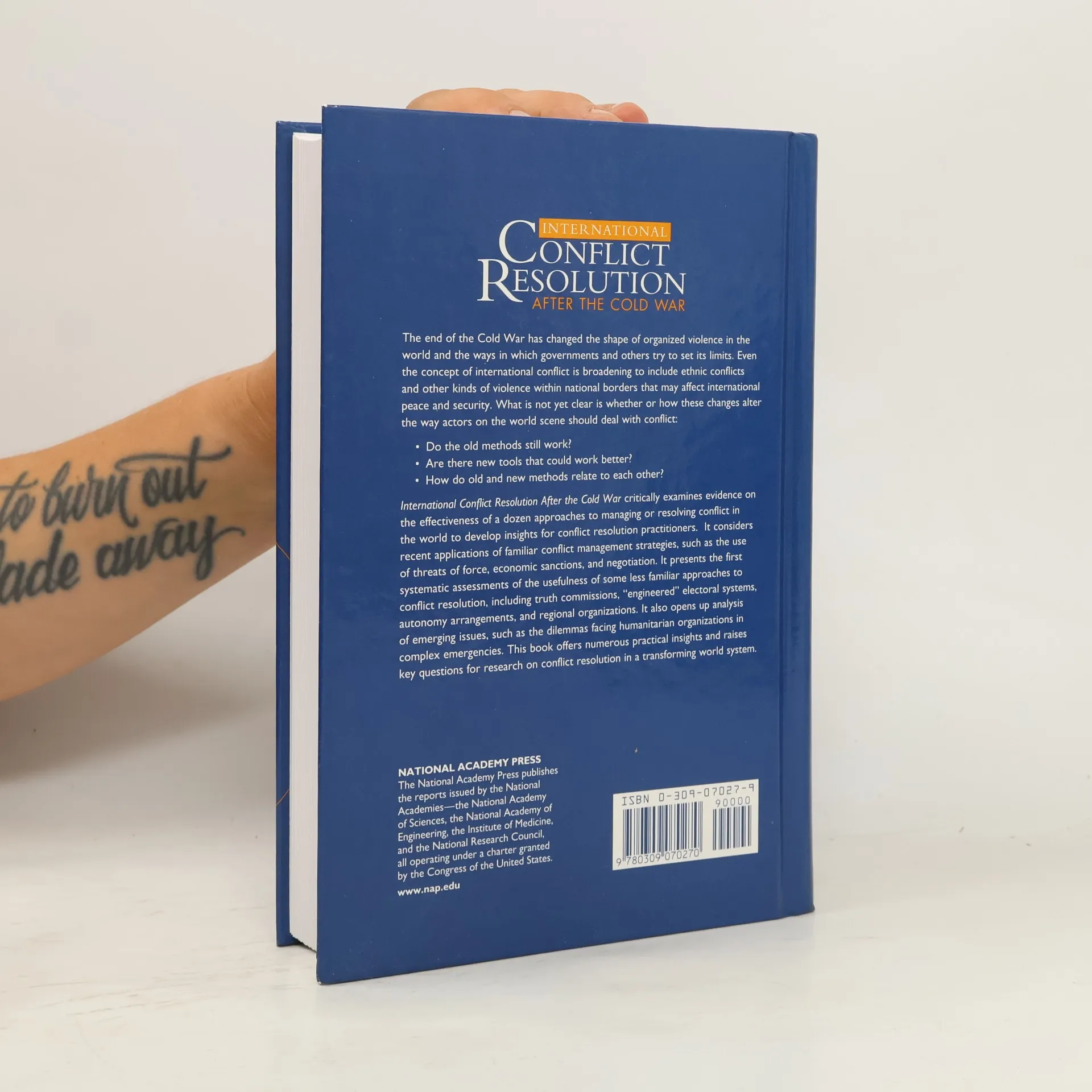
The end of the Cold War has changed the shape of organized violence in the world and the ways in which governments and others try to set its limits. Even the concept of international conflict is broadening to include ethnic conflicts and other kinds of violence within national borders that may affect international peace and security. What is not yet clear is whether or how these changes alter the way actors on the world scene should deal with International Conflict Resolution After the Cold War critically examines evidence on the effectiveness of a dozen approaches to managing or resolving conflict in the world to develop insights for conflict resolution practitioners. It considers recent applications of familiar conflict management strategies, such as the use of threats of force, economic sanctions, and negotiation. It presents the first systematic assessments of the usefulness of some less familiar approaches to conflict resolution, including truth commissions, "engineered" electoral systems, autonomy arrangements, and regional organizations. It also opens up analysis of emerging issues, such as the dilemmas facing humanitarian organizations in complex emergencies. This book offers numerous practical insights and raises key questions for research on conflict resolution in a transforming world system.
Book purchase
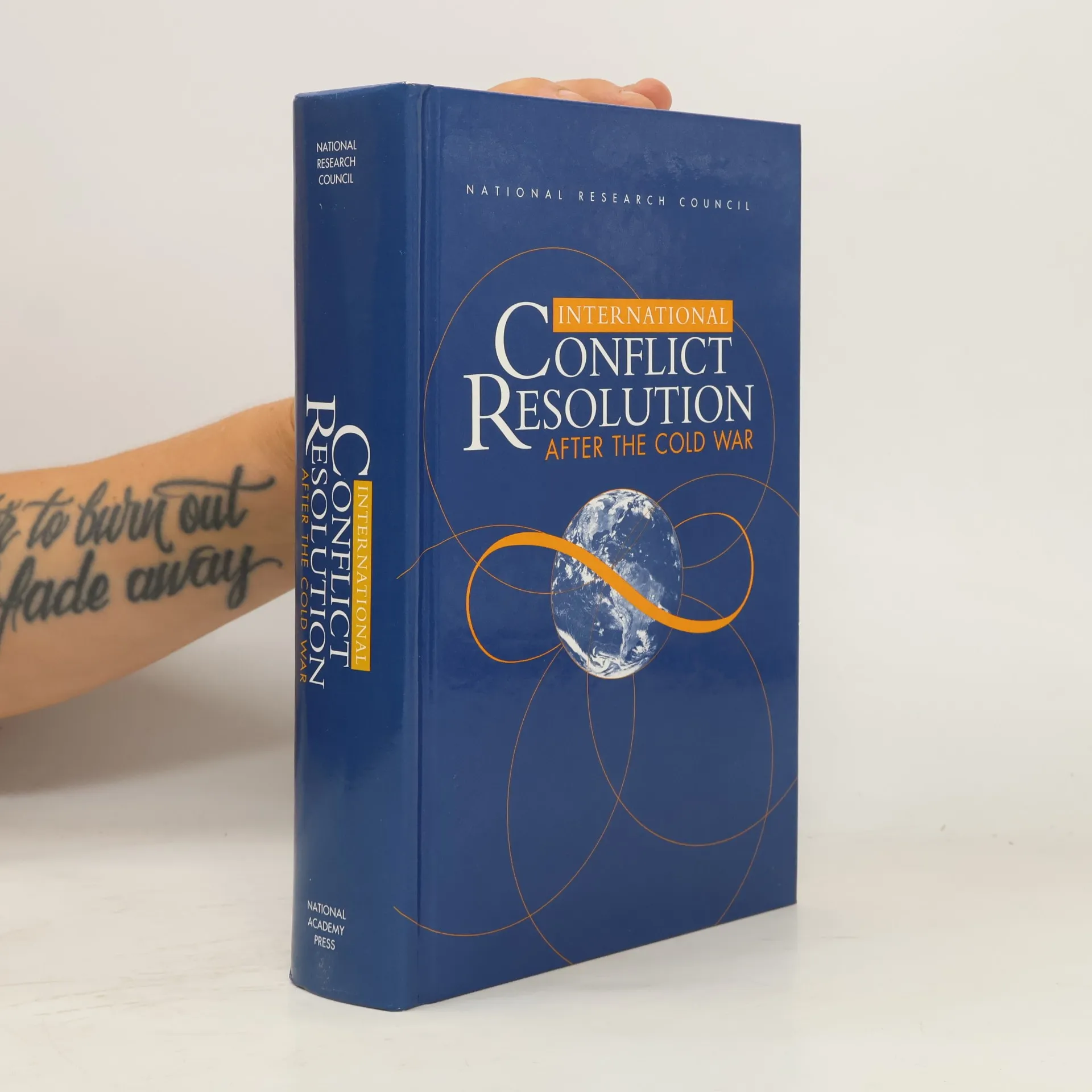
International Conflict Resolution After the Cold War, Daniel Druckman, Committee on International Conflict Resolution, Commission on Behavioral and Social Sciences and Education, National Research Council
- Language

- Released
- 2000
- Binding
- (Hardcover)
Payment methods
No one has rated yet.
- Title
- International Conflict Resolution After the Cold War
- Language
- English
- Authors
- Daniel Druckman, Committee on International Conflict Resolution, Commission on Behavioral and Social Sciences and Education, National Research Council
- Publisher
- National Academies Press
- Released
- 2000
- Format
- Hardcover
- Pages
- 640
- ISBN10
- 0309070279
- ISBN13
- 9780309070270
- Series
- Description
- The end of the Cold War has changed the shape of organized violence in the world and the ways in which governments and others try to set its limits. Even the concept of international conflict is broadening to include ethnic conflicts and other kinds of violence within national borders that may affect international peace and security. What is not yet clear is whether or how these changes alter the way actors on the world scene should deal with International Conflict Resolution After the Cold War critically examines evidence on the effectiveness of a dozen approaches to managing or resolving conflict in the world to develop insights for conflict resolution practitioners. It considers recent applications of familiar conflict management strategies, such as the use of threats of force, economic sanctions, and negotiation. It presents the first systematic assessments of the usefulness of some less familiar approaches to conflict resolution, including truth commissions, "engineered" electoral systems, autonomy arrangements, and regional organizations. It also opens up analysis of emerging issues, such as the dilemmas facing humanitarian organizations in complex emergencies. This book offers numerous practical insights and raises key questions for research on conflict resolution in a transforming world system.