



Parameters
- 352 pages
- 13 hours of reading
More about the book
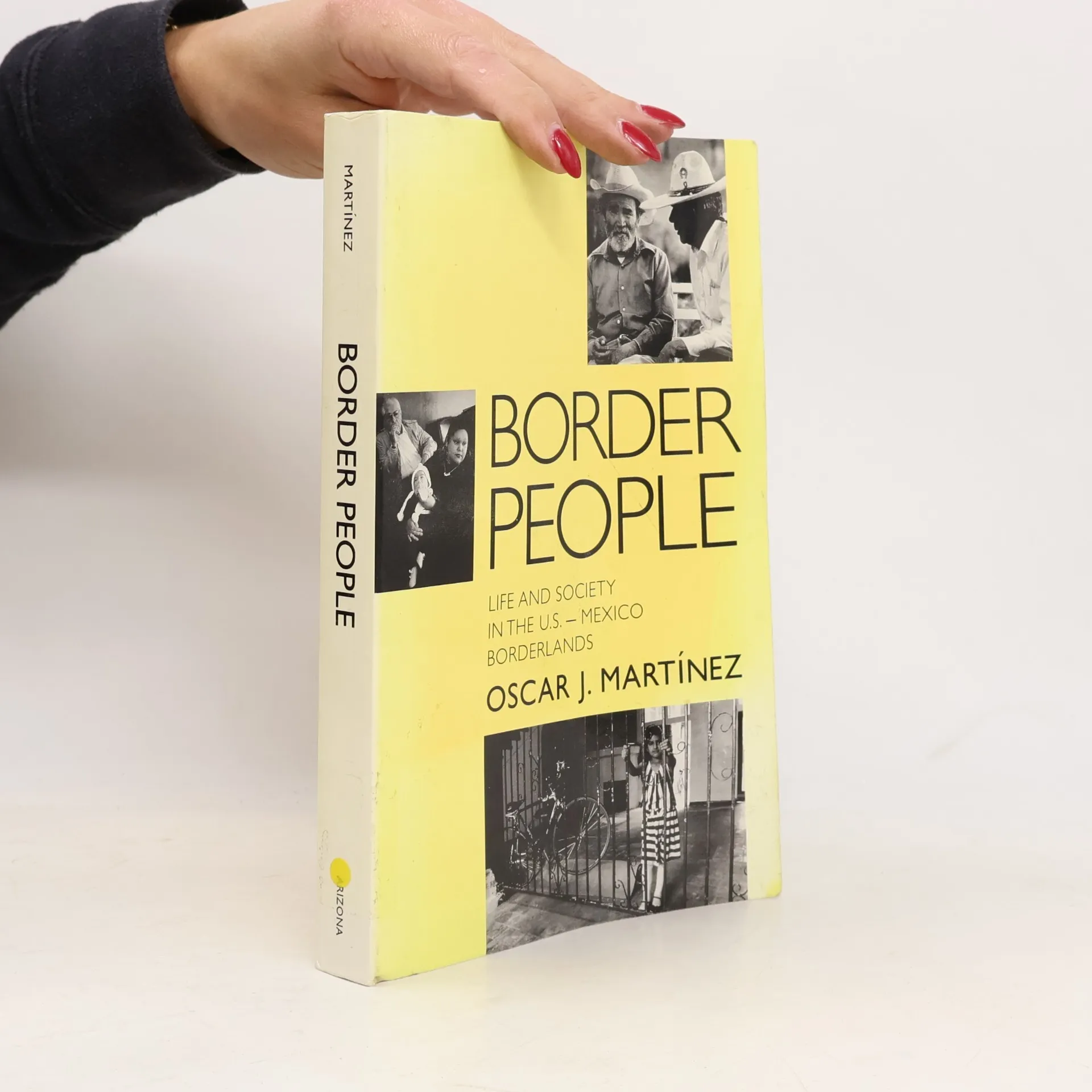
The U.S.-Mexico borderlands are unique, where millions from two distinct nations live in close proximity and engage intensely. Borderlanders possess a singular history and lifestyle that diverges from central Mexico and the interior United States. Within this diverse population—comprising Mexicans, Mexican-Americans, and Anglo-Americans—there are cross-border consumers, commuters, and varying degrees of cultural embrace. Through firsthand interviews, the work presents case histories of transnational interaction and transculturation, exploring themes such as migration, interdependence, labor, border management, ethnic confrontation, cultural fusion, and social activism. Migrants, workers, functionaries, activists, and "mixers" share personal stories that illustrate how their lives are shaped by the borderlands and their responses to various challenges. These narratives highlight that borderlanders exist in a distinct environment influenced by physical distance from central areas and ongoing transnational processes. The oral histories reveal the individuality of borderlanders, each with unique perspectives, hopes, and dreams, offering insights that transcend traditional scholarly analysis.
Book purchase
Border People, Oscar J. Martinez
- Language

- Released
- 1994
- Binding
- (Paperback),
- Book condition
- Good
- Price
- €7.79
Payment methods
No one has rated yet.
- Title
- Border People
- Subtitle
- Life and Society in the U.S.-Mexico Borderlands
- Language
- English
- Authors
- Oscar J. Martinez
- Publisher
- University of Arizona Press
- Released
- 1994
- Format
- Paperback
- Pages
- 352
- ISBN10
- 0816514143
- ISBN13
- 9780816514144
- Series
- Categories
- Tags
- USA, Professional Literature, Culture and Society, South America, Mexico, Humanities, Population
- Description
- The U.S.-Mexico borderlands are unique, where millions from two distinct nations live in close proximity and engage intensely. Borderlanders possess a singular history and lifestyle that diverges from central Mexico and the interior United States. Within this diverse population—comprising Mexicans, Mexican-Americans, and Anglo-Americans—there are cross-border consumers, commuters, and varying degrees of cultural embrace. Through firsthand interviews, the work presents case histories of transnational interaction and transculturation, exploring themes such as migration, interdependence, labor, border management, ethnic confrontation, cultural fusion, and social activism. Migrants, workers, functionaries, activists, and "mixers" share personal stories that illustrate how their lives are shaped by the borderlands and their responses to various challenges. These narratives highlight that borderlanders exist in a distinct environment influenced by physical distance from central areas and ongoing transnational processes. The oral histories reveal the individuality of borderlanders, each with unique perspectives, hopes, and dreams, offering insights that transcend traditional scholarly analysis.