

Parameters
- 288 pages
- 11 hours of reading
More about the book
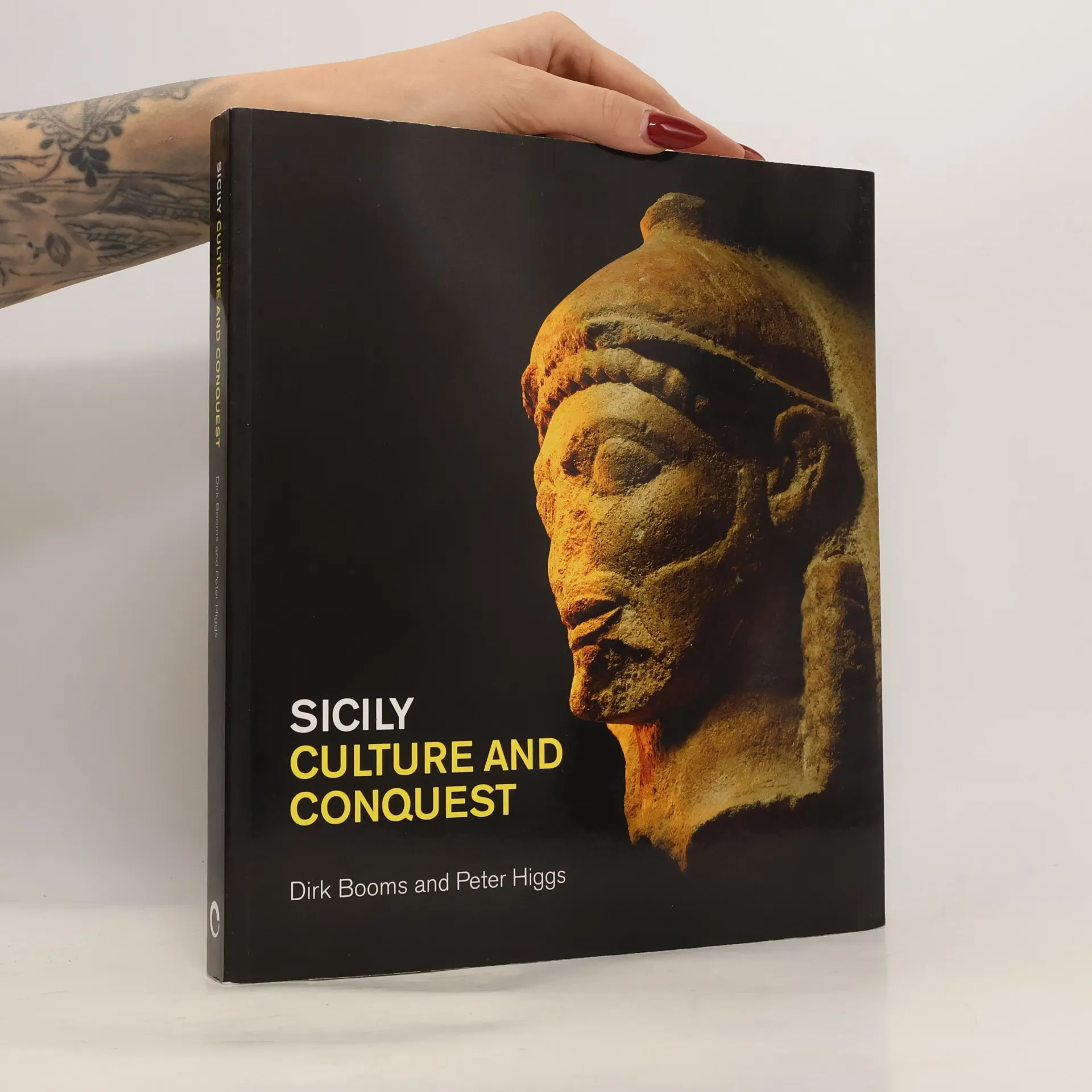
Sicily, the largest island in the Mediterranean, has been inhabited for millennia due to its strategic location and fertile soil, enriched by Mount Etna. This allure attracted various settlers and conquerors, including Phoenicians, Greeks, Romans, Byzantines, Arabs, and Normans. The island experienced cycles of decline and prosperity, with periods of enlightenment where the arts thrived. This book, tied to a major 2016 exhibition at the British Museum, surveys Sicily’s geography and its rich mythological and historical background, emphasizing two key artistic periods. The Greeks settled in the late eighth century BCE, encountering Phoenicians and others, and their Classical golden age produced awe-inspiring temples throughout the Greek Mediterranean. A second remarkable period occurred under Norman rule in the twelfth century AD, when Sicily emerged as a cultural and economic powerhouse in Europe. Featuring over two hundred full-color images of extraordinary artifacts from the British Museum and various museums worldwide, this book showcases the talents of artists, artisans, architects, and builders, along with the vision of their patrons, who collectively created some of the most significant works of art in Mediterranean history.
Book purchase
Sicily, Dirk Booms, Peter Higgs
- Language

- Released
- 2016
- Binding
- (Paperback)
Payment methods
No one has rated yet.
- Title
- Sicily
- Subtitle
- Culture and Conquest
- Language
- English
- Authors
- Dirk Booms, Peter Higgs
- Publisher
- Cornell University Press
- Released
- 2016
- Format
- Paperback
- Pages
- 288
- ISBN10
- 1501705296
- ISBN13
- 9781501705298
- Series
- Categories
- Tags
- Historical Themes, Art, USA, Exhibition Catalogues, Europe, Southern Europe, Italy, History of Art, History of Europe, Archaeology, Western Europe, Social History, Enlightenment, Sicily
- Description
- Sicily, the largest island in the Mediterranean, has been inhabited for millennia due to its strategic location and fertile soil, enriched by Mount Etna. This allure attracted various settlers and conquerors, including Phoenicians, Greeks, Romans, Byzantines, Arabs, and Normans. The island experienced cycles of decline and prosperity, with periods of enlightenment where the arts thrived. This book, tied to a major 2016 exhibition at the British Museum, surveys Sicily’s geography and its rich mythological and historical background, emphasizing two key artistic periods. The Greeks settled in the late eighth century BCE, encountering Phoenicians and others, and their Classical golden age produced awe-inspiring temples throughout the Greek Mediterranean. A second remarkable period occurred under Norman rule in the twelfth century AD, when Sicily emerged as a cultural and economic powerhouse in Europe. Featuring over two hundred full-color images of extraordinary artifacts from the British Museum and various museums worldwide, this book showcases the talents of artists, artisans, architects, and builders, along with the vision of their patrons, who collectively created some of the most significant works of art in Mediterranean history.