

More about the book
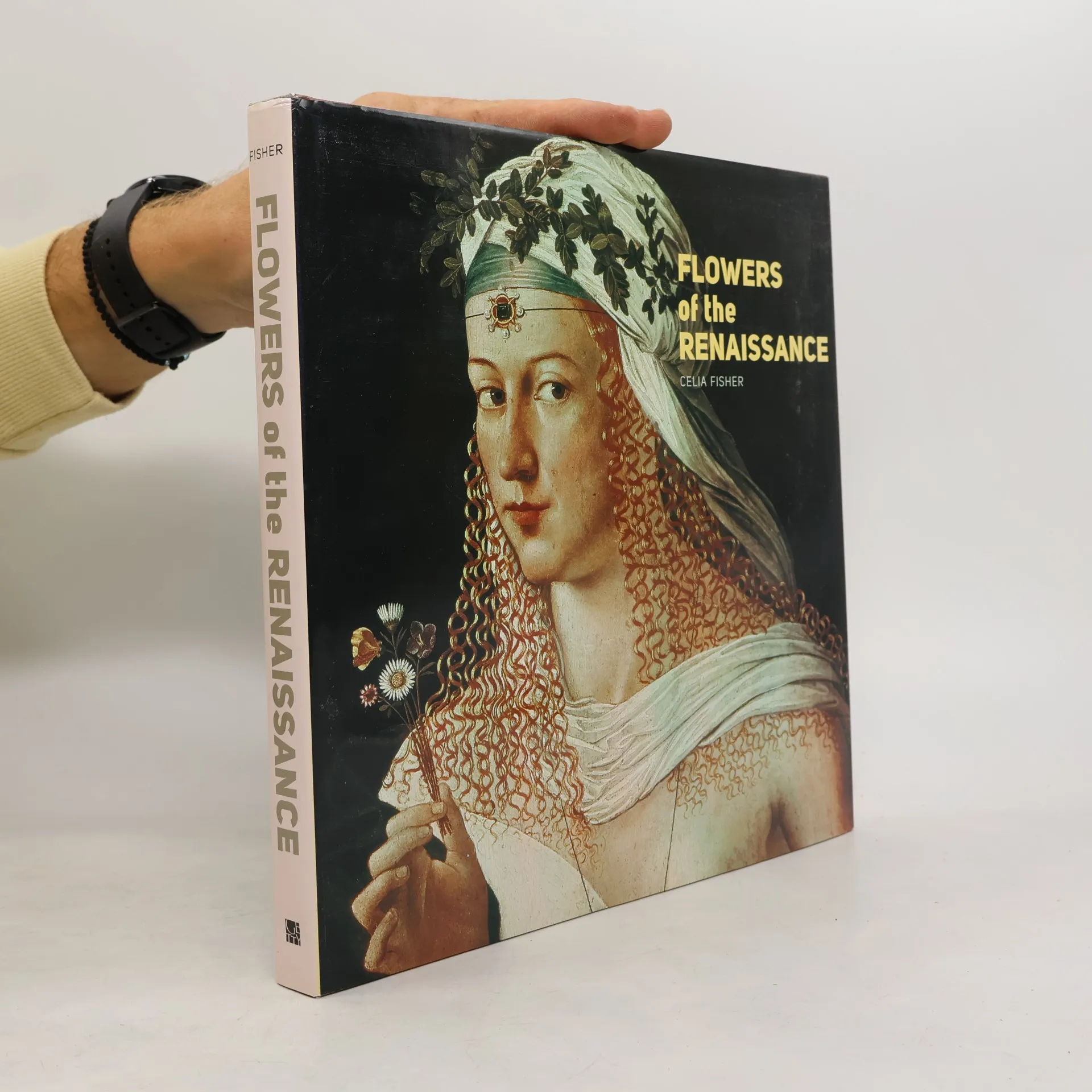
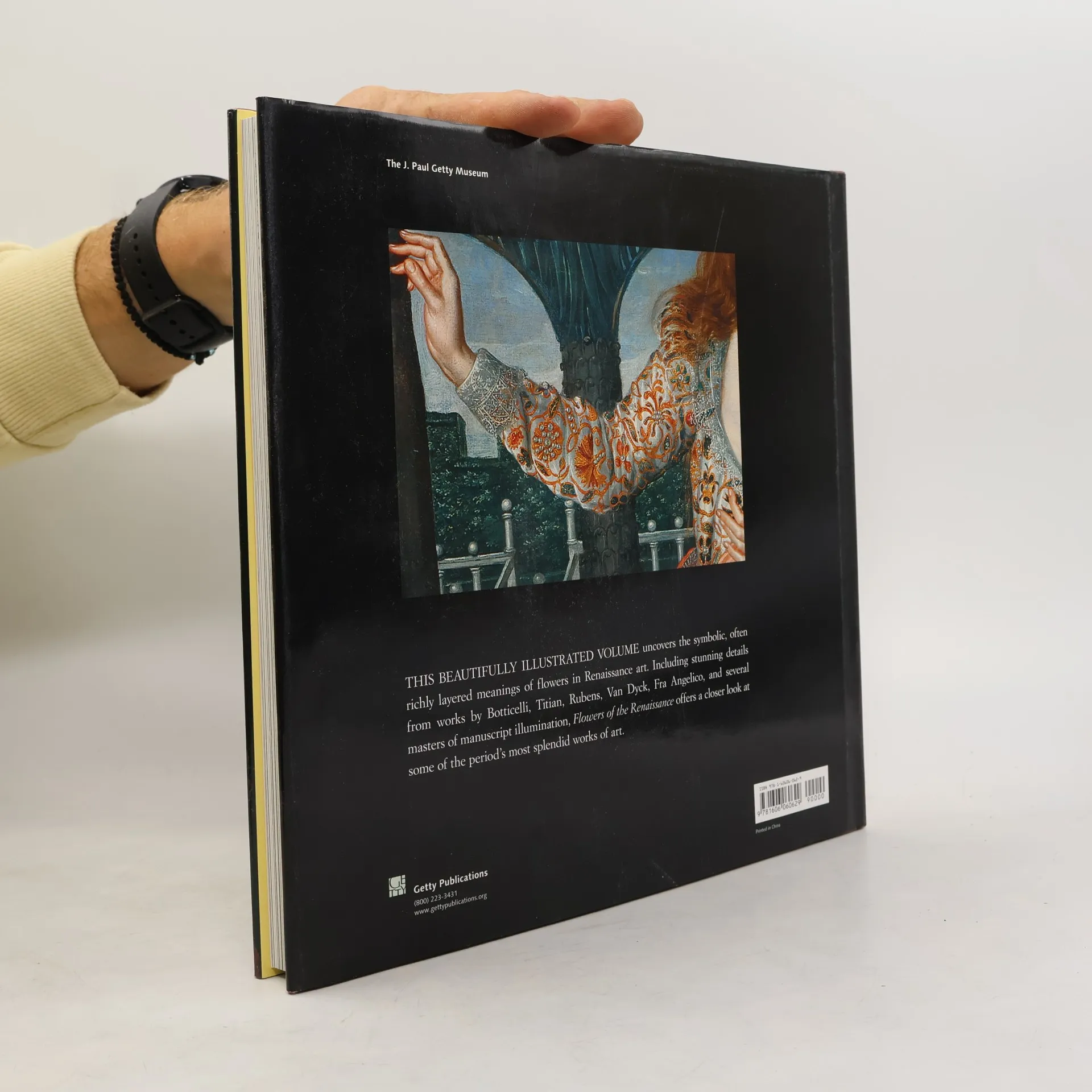
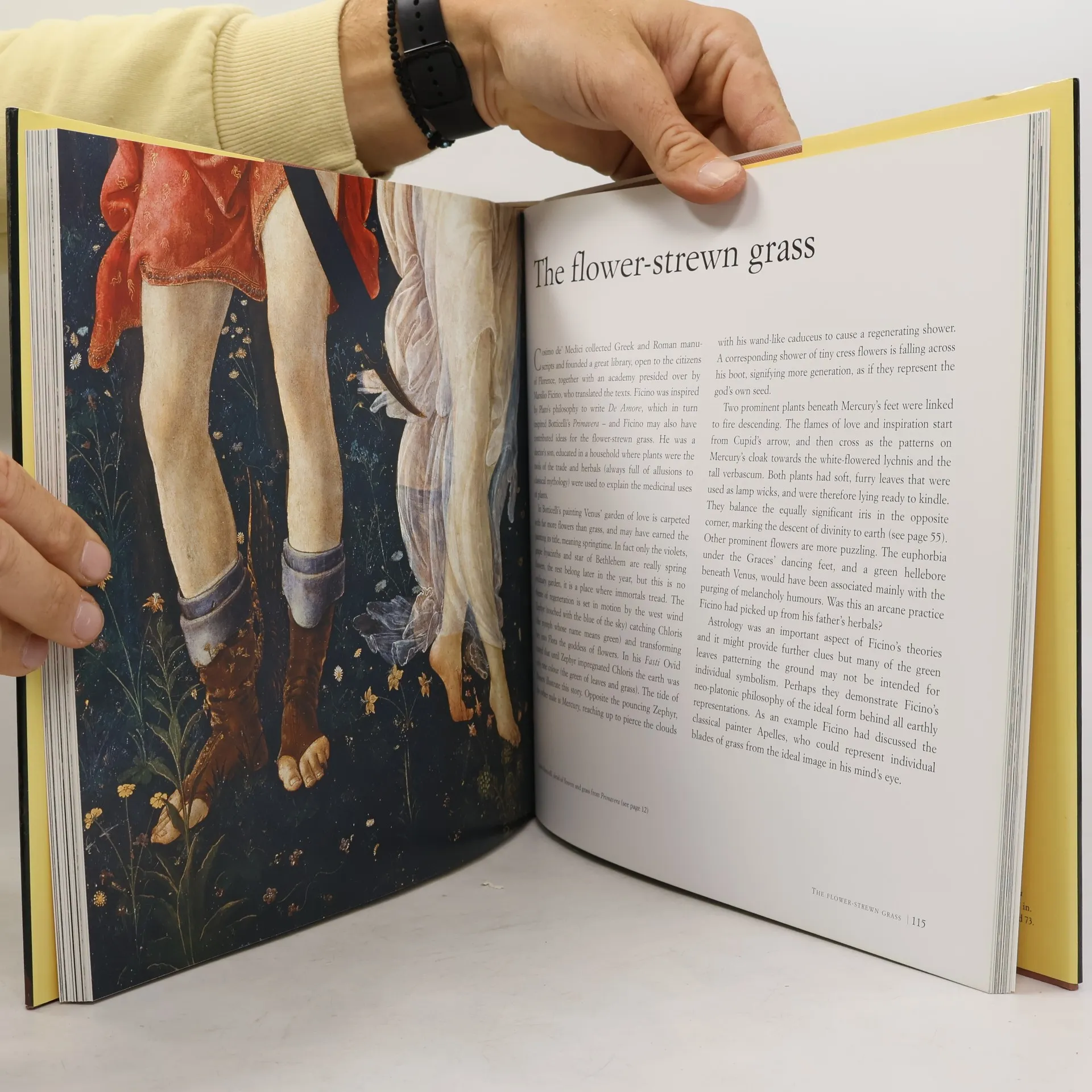
From the sunflower in Van Dyck’s self-portrait to roses in Botticelli’s Venus, flowers are prominent in Renaissance art, yet their symbolism often eludes modern viewers. This book is the first to explore the intricate botanical messages embedded in these masterpieces. Renaissance artists deliberately chose flowers, employing new observational techniques to depict them with remarkable accuracy. The author highlights twenty popular flowers, such as roses, lilies, and poppies, detailing their cultivation history and symbolic meanings. Typically, flowers were not the main subjects but rather integral elements of larger religious narratives. The revival of classical ideals led artists to blend religious symbolism with themes from contemporary romances and mythology. For instance, the hortus conclusus, symbolizing the Virgin Mary, also referenced the popular Romance of the Rose, while Venus, as the goddess of love, was often depicted alongside roses or daisies, paralleling the Virgin Mary. This beautifully illustrated book reveals hidden treasures in various artworks, enhancing the reader's appreciation of the Renaissance's most magnificent creations.
Book purchase
Flowers of the Renaissance, Celia Fisher
- Language

- Released
- 2011
- Binding
- (Hardcover),
- Book condition
- Very Good
- Price
- €25.39
Payment methods
No one has rated yet.
- Title
- Flowers of the Renaissance
- Language
- English
- Authors
- Celia Fisher
- Publisher
- J. Paul Getty Museum
- Released
- 2011
- Format
- Hardcover
- Pages
- 160
- ISBN10
- 1606060627
- ISBN13
- 9781606060629
- Series
- Tags
- Historical Themes, Art, USA, History of Art, Western Europe, Flowers, Renaissance, 16th century, 15th Century
- Description
- From the sunflower in Van Dyck’s self-portrait to roses in Botticelli’s Venus, flowers are prominent in Renaissance art, yet their symbolism often eludes modern viewers. This book is the first to explore the intricate botanical messages embedded in these masterpieces. Renaissance artists deliberately chose flowers, employing new observational techniques to depict them with remarkable accuracy. The author highlights twenty popular flowers, such as roses, lilies, and poppies, detailing their cultivation history and symbolic meanings. Typically, flowers were not the main subjects but rather integral elements of larger religious narratives. The revival of classical ideals led artists to blend religious symbolism with themes from contemporary romances and mythology. For instance, the hortus conclusus, symbolizing the Virgin Mary, also referenced the popular Romance of the Rose, while Venus, as the goddess of love, was often depicted alongside roses or daisies, paralleling the Virgin Mary. This beautifully illustrated book reveals hidden treasures in various artworks, enhancing the reader's appreciation of the Renaissance's most magnificent creations.