

More about the book
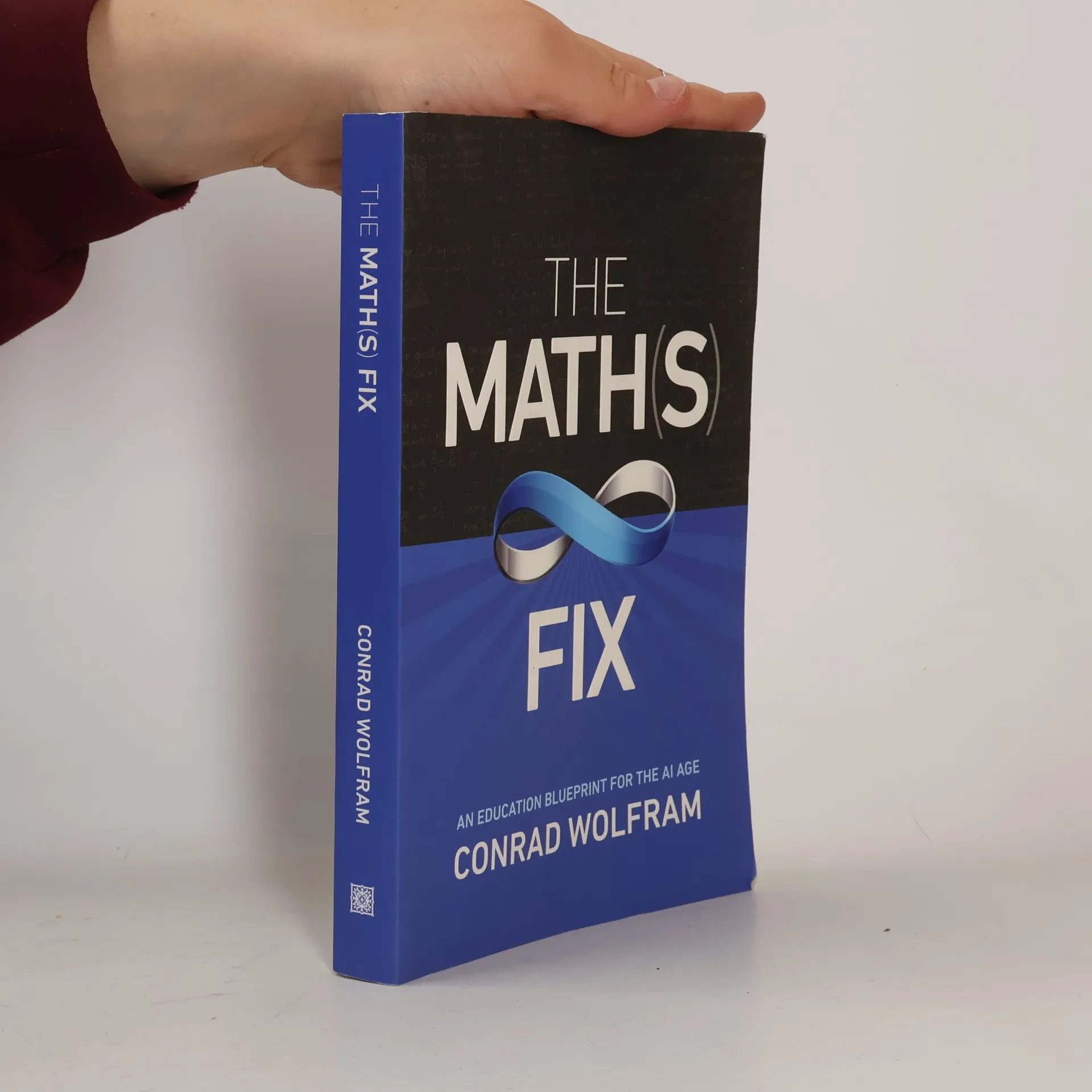
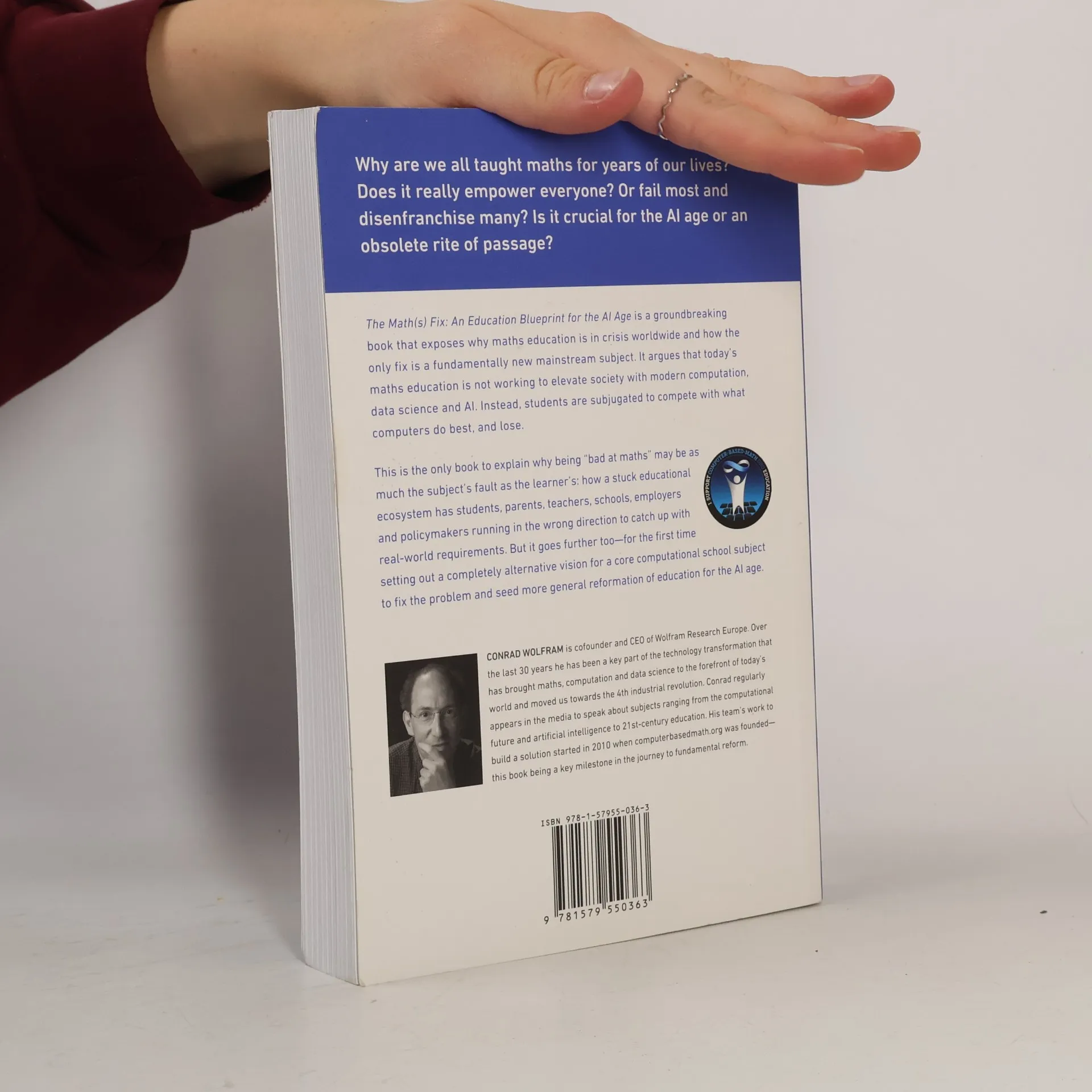
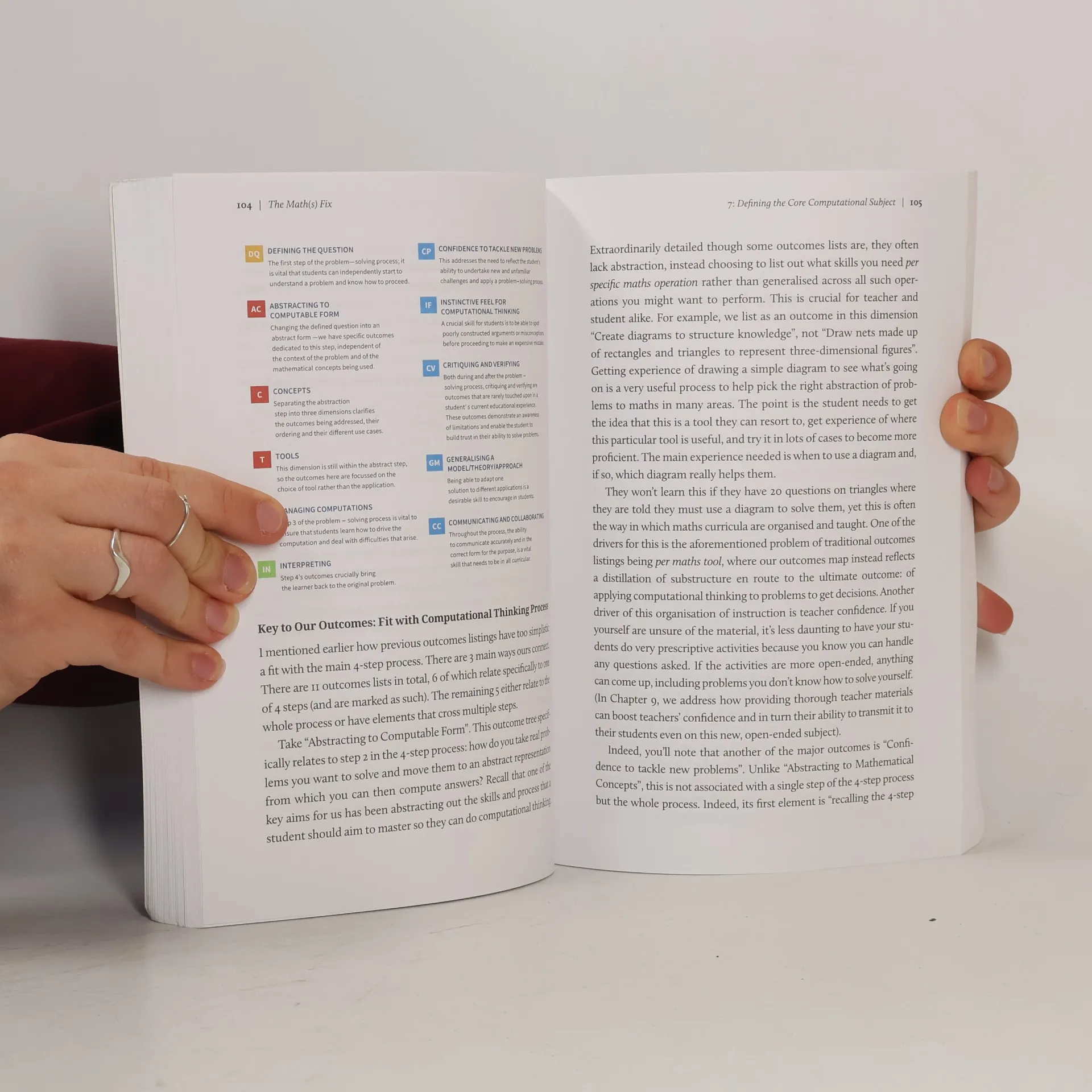
Why are we all taught maths for years of our lives? Does it really empower everyone? Or fail most and disenfranchise many? Is it crucial for the AI age or an obsolete rite of passage?The Math(s) Fix: An Education Blueprint for the AI Age is a groundbreaking book that exposes why maths education is in crisis worldwide and how the only fix is a fundamentally new mainstream subject. It argues that today's maths education is not working to elevate society with modern computation, data science and AI. Instead, students are subjugated to compete with what computers do best, and lose.This is the only book to explain why being bad at maths may be as much the subject's fault as the learner's: how a stuck educational ecosystem has students, parents, teachers, schools, employers and policymakers running in the wrong direction to catch up with real-world requirements. But it goes further too, for the first time setting out a completely alternative vision for a core computational school subject to fix the problem and seed more general reformation of education for the AI age.
Book purchase
The Math(s) Fix, Conrad Wolfram
- Language

- Released
- 2020
- Binding
- (Paperback),
- Book condition
- Good
- Price
- €10.49
Payment methods
No one has rated yet.
- Title
- The Math(s) Fix
- Subtitle
- An Education Blueprint Of The AI Age
- Language
- English
- Authors
- Conrad Wolfram
- Publisher
- Wolfram Media Inc
- Released
- 2020
- Format
- Paperback
- Pages
- 320
- ISBN10
- 1579550363
- ISBN13
- 9781579550363
- Series
- Categories
- Description
- Why are we all taught maths for years of our lives? Does it really empower everyone? Or fail most and disenfranchise many? Is it crucial for the AI age or an obsolete rite of passage?The Math(s) Fix: An Education Blueprint for the AI Age is a groundbreaking book that exposes why maths education is in crisis worldwide and how the only fix is a fundamentally new mainstream subject. It argues that today's maths education is not working to elevate society with modern computation, data science and AI. Instead, students are subjugated to compete with what computers do best, and lose.This is the only book to explain why being bad at maths may be as much the subject's fault as the learner's: how a stuck educational ecosystem has students, parents, teachers, schools, employers and policymakers running in the wrong direction to catch up with real-world requirements. But it goes further too, for the first time setting out a completely alternative vision for a core computational school subject to fix the problem and seed more general reformation of education for the AI age.