

More about the book
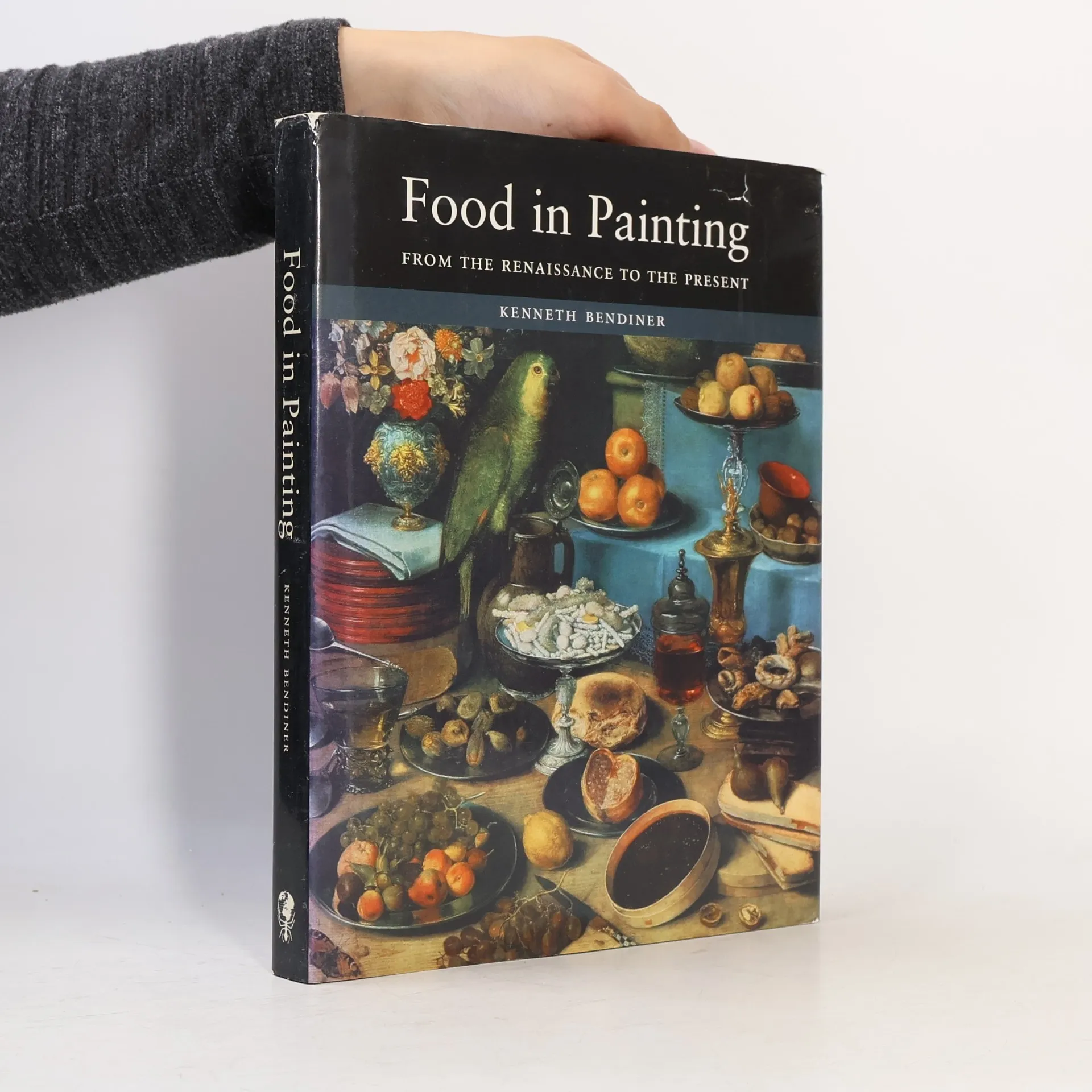
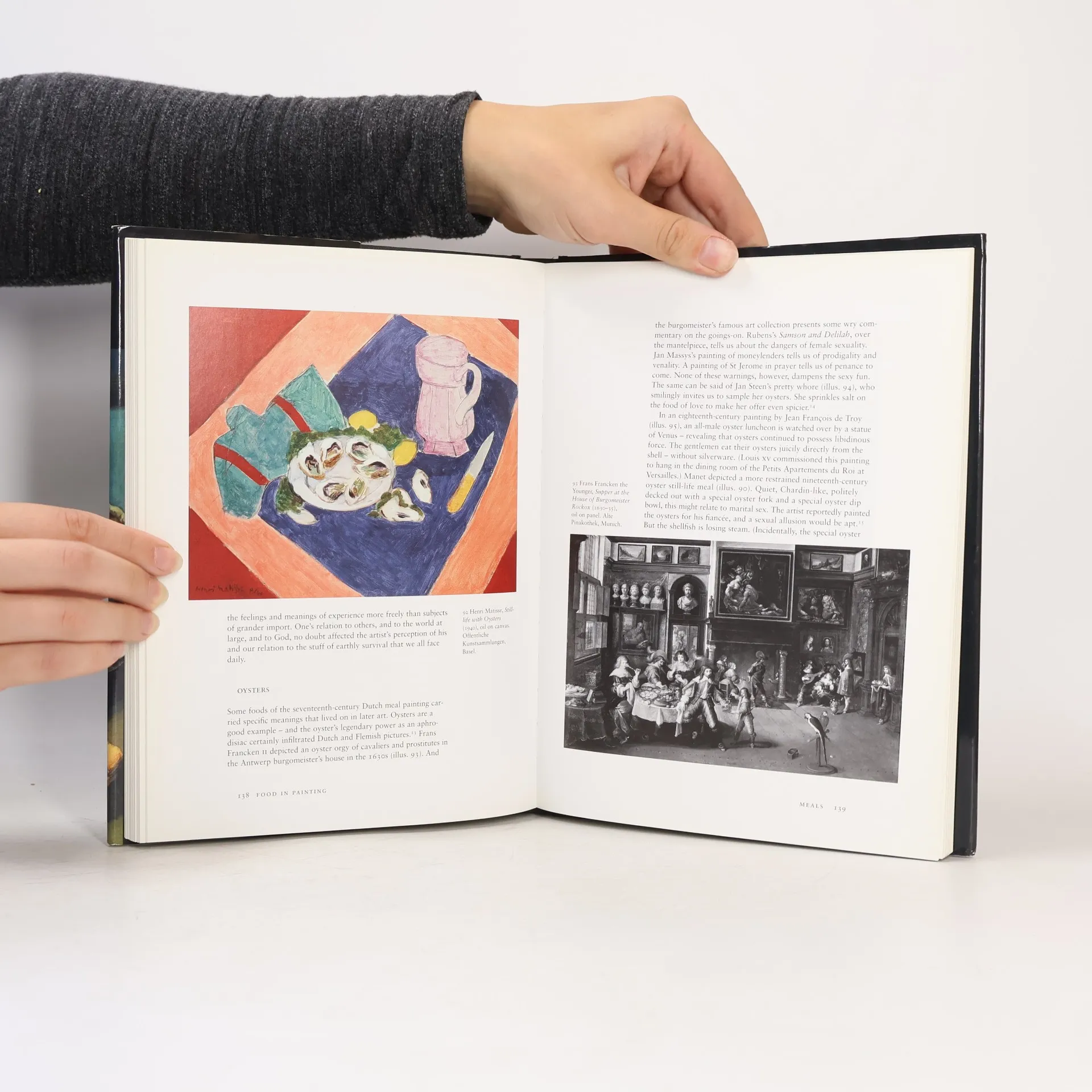
This exploration of food images in European and American painting from the early Renaissance to the present classifies food painting as a distinct art form with its own history. Kenneth Bendiner reevaluates renowned works by artists such as Brueghel, Rembrandt, Chardin, Manet, and Warhol, along with lesser-known figures like Adriaen Coorte and Peter Blume. The book emphasizes the significance of 16th-century innovations in food subjects and the impact of 17th-century Dutch food paintings on the evolution of food imagery. Bendiner illustrates how myth, religion, medical theories, and social privileges shape the meanings of food imagery, exploring themes such as aphrodisiacs, bottled water, menus, and antisocial eating scenes. He also addresses symbolic representations of food, surrealist sexual references, and food's role in allegories. The work captures the optimistic Renaissance spirit surrounding food, highlighting themes of abundance and fulfillment. By intertwining the pleasures of eating with art, Bendiner presents a captivating feast of facts and images. Readers interested in the history of food as depicted in art will find the book enlightening, enriching their understanding of works by artists like Brueghel and Chardin.
Book purchase
Food in Painting, Kenneth Bendiner
- Language

- Released
- 2004
- Binding
- (Hardcover),
- Book condition
- Good
- Price
- €18.99
Payment methods
No one has rated yet.
- Title
- Food in Painting
- Subtitle
- From the Renaissance to the Present
- Language
- English
- Authors
- Kenneth Bendiner
- Publisher
- Reaktion Books
- Released
- 2004
- Format
- Hardcover
- Pages
- 224
- ISBN10
- 1861892136
- ISBN13
- 9781861892133
- Series
- Categories
- Tags
- Fine Art, Art, Food, Europe, History of Art, Western Europe, North America
- Description
- This exploration of food images in European and American painting from the early Renaissance to the present classifies food painting as a distinct art form with its own history. Kenneth Bendiner reevaluates renowned works by artists such as Brueghel, Rembrandt, Chardin, Manet, and Warhol, along with lesser-known figures like Adriaen Coorte and Peter Blume. The book emphasizes the significance of 16th-century innovations in food subjects and the impact of 17th-century Dutch food paintings on the evolution of food imagery. Bendiner illustrates how myth, religion, medical theories, and social privileges shape the meanings of food imagery, exploring themes such as aphrodisiacs, bottled water, menus, and antisocial eating scenes. He also addresses symbolic representations of food, surrealist sexual references, and food's role in allegories. The work captures the optimistic Renaissance spirit surrounding food, highlighting themes of abundance and fulfillment. By intertwining the pleasures of eating with art, Bendiner presents a captivating feast of facts and images. Readers interested in the history of food as depicted in art will find the book enlightening, enriching their understanding of works by artists like Brueghel and Chardin.