

More about the book
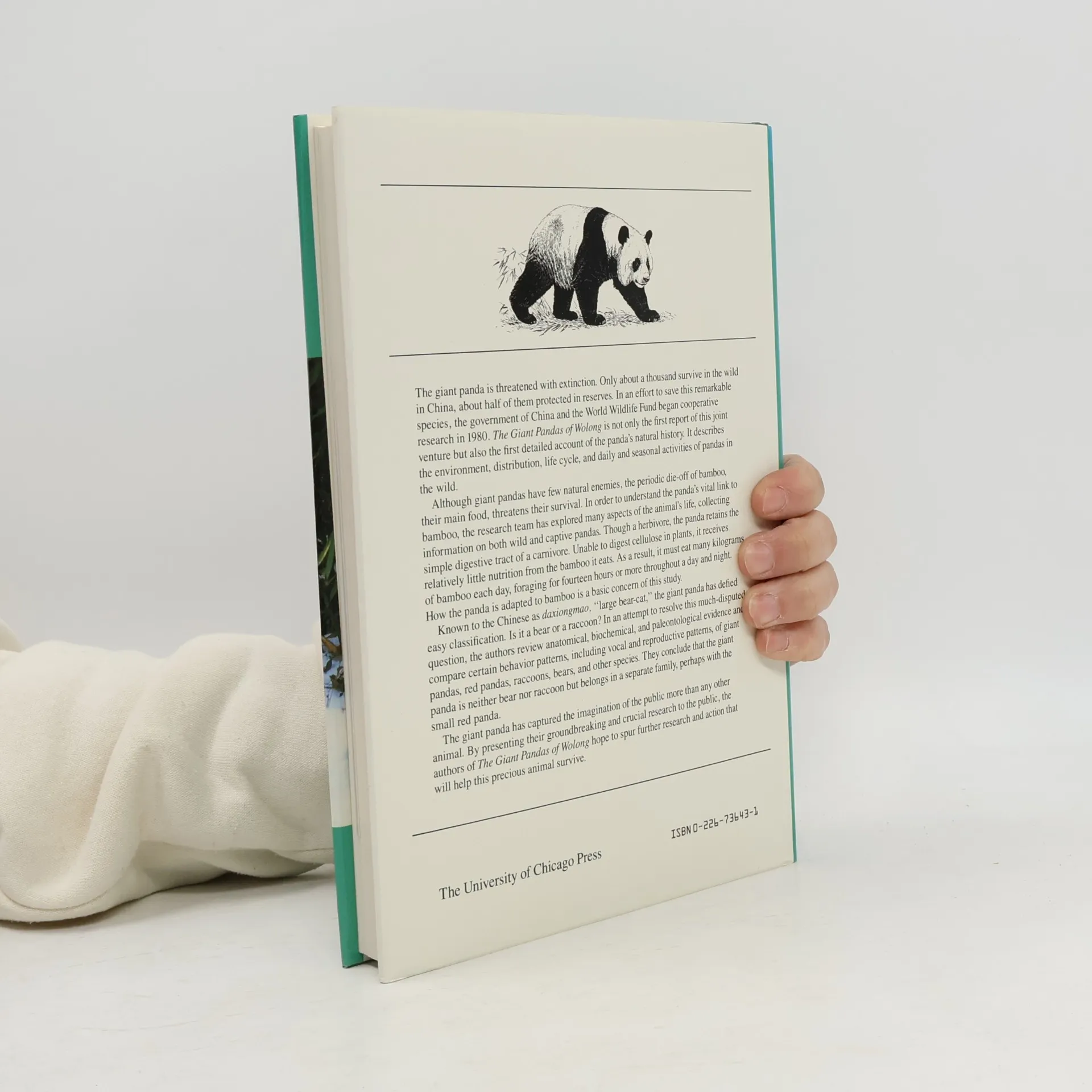
The giant panda faces extinction, with only about a thousand remaining in the wild in China, half of which are protected in reserves. To save this remarkable species, the Chinese government and the World Wildlife Fund initiated cooperative research in 1980. This report details the panda's natural history, including its environment, distribution, life cycle, and daily activities. Despite having few natural enemies, giant pandas are threatened by periodic bamboo die-offs, their primary food source. Understanding the panda's dependence on bamboo, the research team investigated various aspects of their lives, gathering data on both wild and captive pandas. As herbivores, pandas possess a carnivore's simple digestive tract, making it difficult for them to digest cellulose and obtain sufficient nutrition from bamboo, requiring them to consume large quantities daily and forage for over fourteen hours. Known in China for millennia as daxiongmao, or "large bear-cat," the giant panda's classification has been challenging. The authors analyze anatomical, biochemical, behavioral, and paleontological evidence, concluding that it belongs to a separate family, possibly related to the small red panda. By sharing their vital research, the authors aim to inspire further efforts to protect this beloved species.
Book purchase
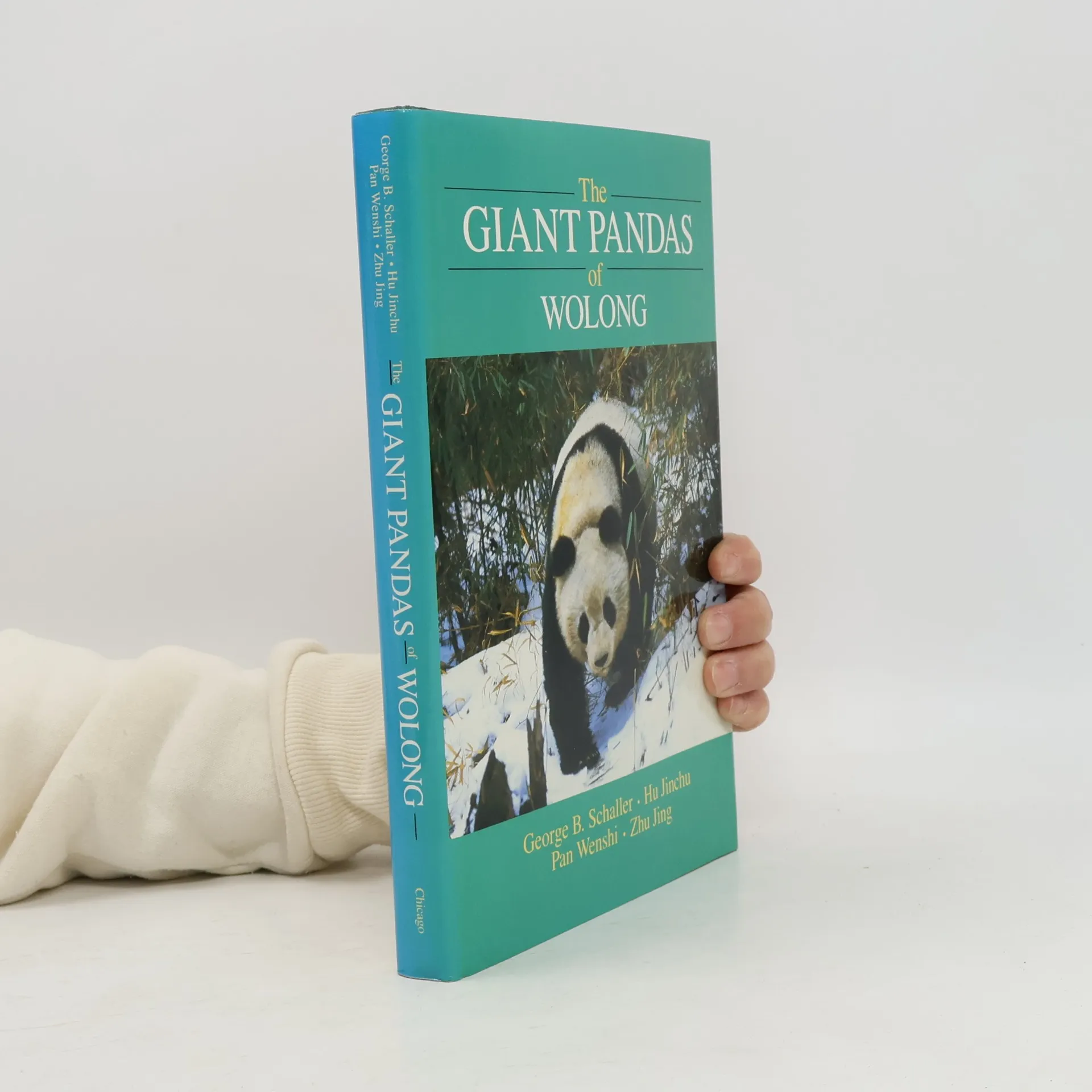
The Giant Pandas of Wolong, Pan Wenshi, Hu Jinchu, Zhu Jing, George Schaller
- Language

- Released
- 1985
- Binding
- (Hardcover)
Payment methods
No one has rated yet.
- Title
- The Giant Pandas of Wolong
- Language
- English
- Authors
- Pan Wenshi, Hu Jinchu, Zhu Jing, George Schaller
- Publisher
- The University of Chicago Press
- Released
- 1985
- Format
- Hardcover
- Pages
- 298
- ISBN10
- 0226736431
- ISBN13
- 9780226736433
- Series
- Categories
- Description
- The giant panda faces extinction, with only about a thousand remaining in the wild in China, half of which are protected in reserves. To save this remarkable species, the Chinese government and the World Wildlife Fund initiated cooperative research in 1980. This report details the panda's natural history, including its environment, distribution, life cycle, and daily activities. Despite having few natural enemies, giant pandas are threatened by periodic bamboo die-offs, their primary food source. Understanding the panda's dependence on bamboo, the research team investigated various aspects of their lives, gathering data on both wild and captive pandas. As herbivores, pandas possess a carnivore's simple digestive tract, making it difficult for them to digest cellulose and obtain sufficient nutrition from bamboo, requiring them to consume large quantities daily and forage for over fourteen hours. Known in China for millennia as daxiongmao, or "large bear-cat," the giant panda's classification has been challenging. The authors analyze anatomical, biochemical, behavioral, and paleontological evidence, concluding that it belongs to a separate family, possibly related to the small red panda. By sharing their vital research, the authors aim to inspire further efforts to protect this beloved species.