



Parameters
- 376 pages
- 14 hours of reading
More about the book
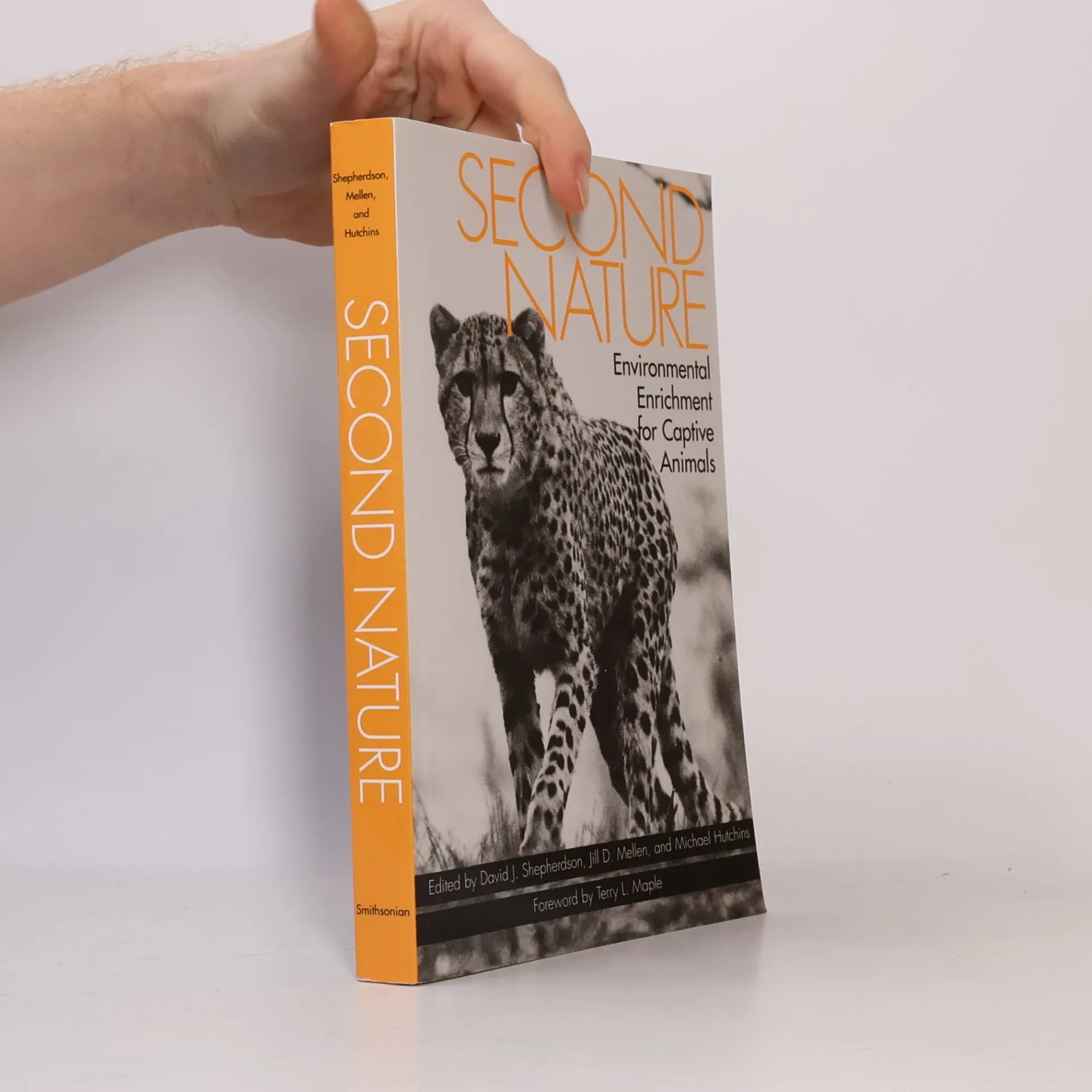
Growing recognition of the complexity of animals' lives in the wild has prompted zookeepers and the public to advocate for improved environmental standards for captive animals. This work unites insights from animal behaviorists, zoo biologists, and psychologists to explore innovative environmental enrichment strategies across various settings, including laboratories and marine parks. Techniques such as artificial fleeing-prey devices for leopards and irregular feeding schedules for whales have led to healthier, more relaxed animals capable of breeding more successfully and exerting control over their environments. The discussion extends beyond primates to include reptiles, amphibians, marine mammals, small cats, hooved grazers, and bears. Contributors emphasize that the satisfaction derived from activities—rather than the activities themselves—plays a crucial role in an animal's physical and psychological well-being. Additionally, the text examines how environmental enrichment can aid zoo-bred animals in developing the stamina and adaptability needed for survival in the wild, as well as how it can enhance the health of lab animals, leading to more reliable research outcomes. This work provides a theoretical framework for understanding environmental enrichment, promoting a humane approach to animal care and conservation.
Book purchase
Zoo & Aquarium Biology & Conservation: Second Nature, David J. Shepherdson, Jill D. Mellen, Michael Hutchins
- Language

- Released
- 1999
- Binding
- (Paperback)
Payment methods
No one has rated yet.
- Title
- Zoo & Aquarium Biology & Conservation: Second Nature
- Subtitle
- Environmental Enrichment for Captive Animals
- Language
- English
- Publisher
- Smithsonian Institution Press
- Released
- 1999
- Format
- Paperback
- Pages
- 376
- ISBN10
- 1560983973
- ISBN13
- 9781560983972
- Series
- Categories
- Tags
- Nature, Animals, Politics, Science, Health, Medicine, Food, Guides, Crafting and DIY, Sustainability, Veganism, Zoology, Wild Animals, Veterinary Medicine, Zoo - Zoos, Conservation, Animal Rights, Environmental Ethics
- Description
- Growing recognition of the complexity of animals' lives in the wild has prompted zookeepers and the public to advocate for improved environmental standards for captive animals. This work unites insights from animal behaviorists, zoo biologists, and psychologists to explore innovative environmental enrichment strategies across various settings, including laboratories and marine parks. Techniques such as artificial fleeing-prey devices for leopards and irregular feeding schedules for whales have led to healthier, more relaxed animals capable of breeding more successfully and exerting control over their environments. The discussion extends beyond primates to include reptiles, amphibians, marine mammals, small cats, hooved grazers, and bears. Contributors emphasize that the satisfaction derived from activities—rather than the activities themselves—plays a crucial role in an animal's physical and psychological well-being. Additionally, the text examines how environmental enrichment can aid zoo-bred animals in developing the stamina and adaptability needed for survival in the wild, as well as how it can enhance the health of lab animals, leading to more reliable research outcomes. This work provides a theoretical framework for understanding environmental enrichment, promoting a humane approach to animal care and conservation.