



Parameters
- 256 pages
- 9 hours of reading
More about the book
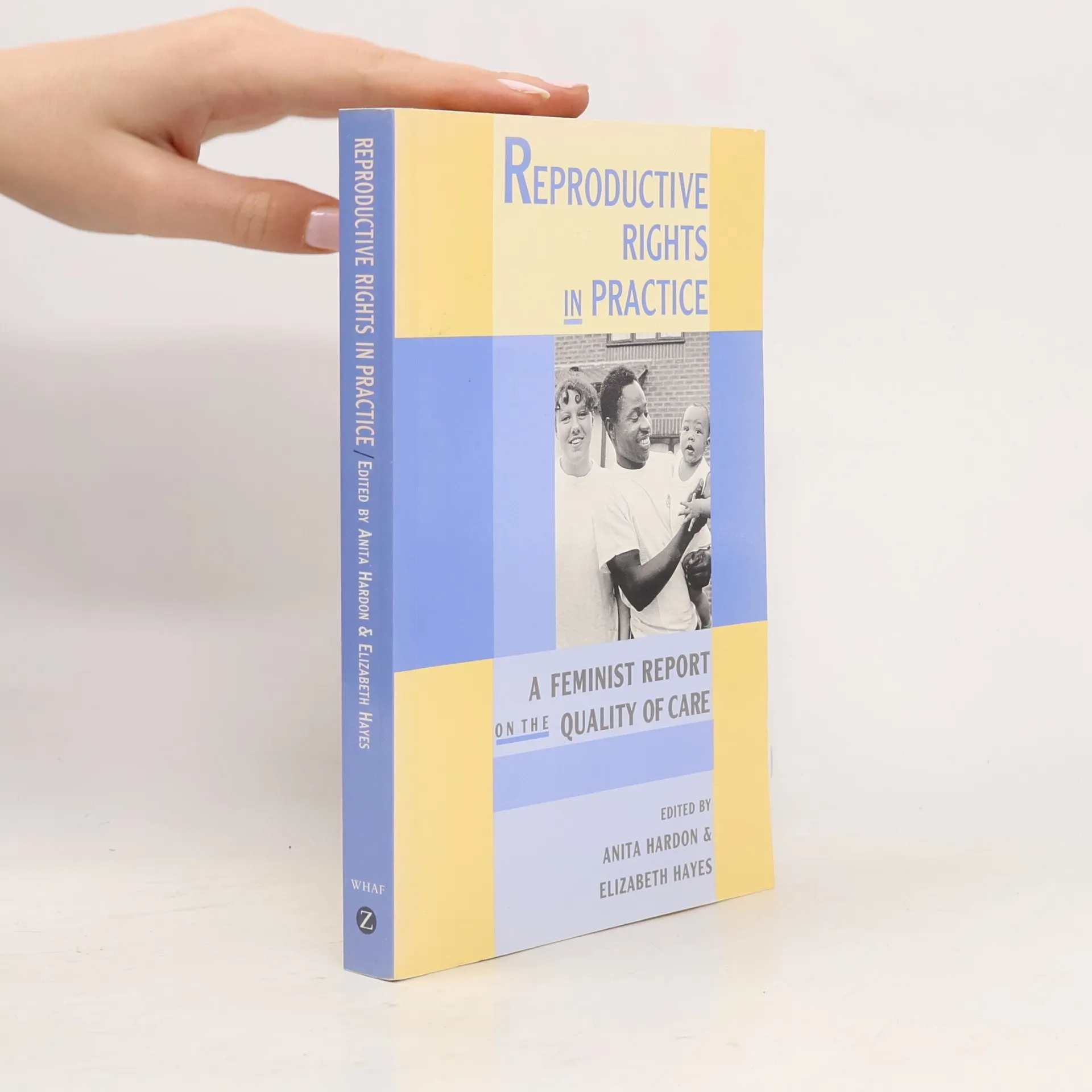
To what extent are women and men's reproductive rights respected around the world? Has family planning come to mean little more than population control?This book contains unique information on the provision of family planning in eight countries from Africa, Asia, Europe and Latin America. It looks at each country's family planning programme and the extent to which that programme makes women instruments of demographic population policy. The authors appraise the the quality of care and adherence to reproductive rights in different family planning settings for each country. While the picture they present is disturbing and often surprising, the authors provide recommendations for change to empower women and men in a wide variety of cultures.
Book purchase
Reproductive Rights in Practice, Anita Hardon
- Language

- Released
- 1997
- Binding
- (Paperback),
- Book condition
- Good
- Price
- €50.99
Payment methods
No one has rated yet.
- Title
- Reproductive Rights in Practice
- Subtitle
- A Feminist Report on the Quality of Care
- Language
- English
- Authors
- Anita Hardon
- Publisher
- Zed Books
- Released
- 1997
- Format
- Paperback
- Pages
- 256
- ISBN10
- 1856494527
- ISBN13
- 9781856494526
- Series
- Tags
- Medicine, Europe, Professional Literature, Africa, Asia, Healthcare, Development, Human Rights, South America, Asian Fiction, Central America, Demography, Women in Politics
- Description
- To what extent are women and men's reproductive rights respected around the world? Has family planning come to mean little more than population control?This book contains unique information on the provision of family planning in eight countries from Africa, Asia, Europe and Latin America. It looks at each country's family planning programme and the extent to which that programme makes women instruments of demographic population policy. The authors appraise the the quality of care and adherence to reproductive rights in different family planning settings for each country. While the picture they present is disturbing and often surprising, the authors provide recommendations for change to empower women and men in a wide variety of cultures.