

More about the book
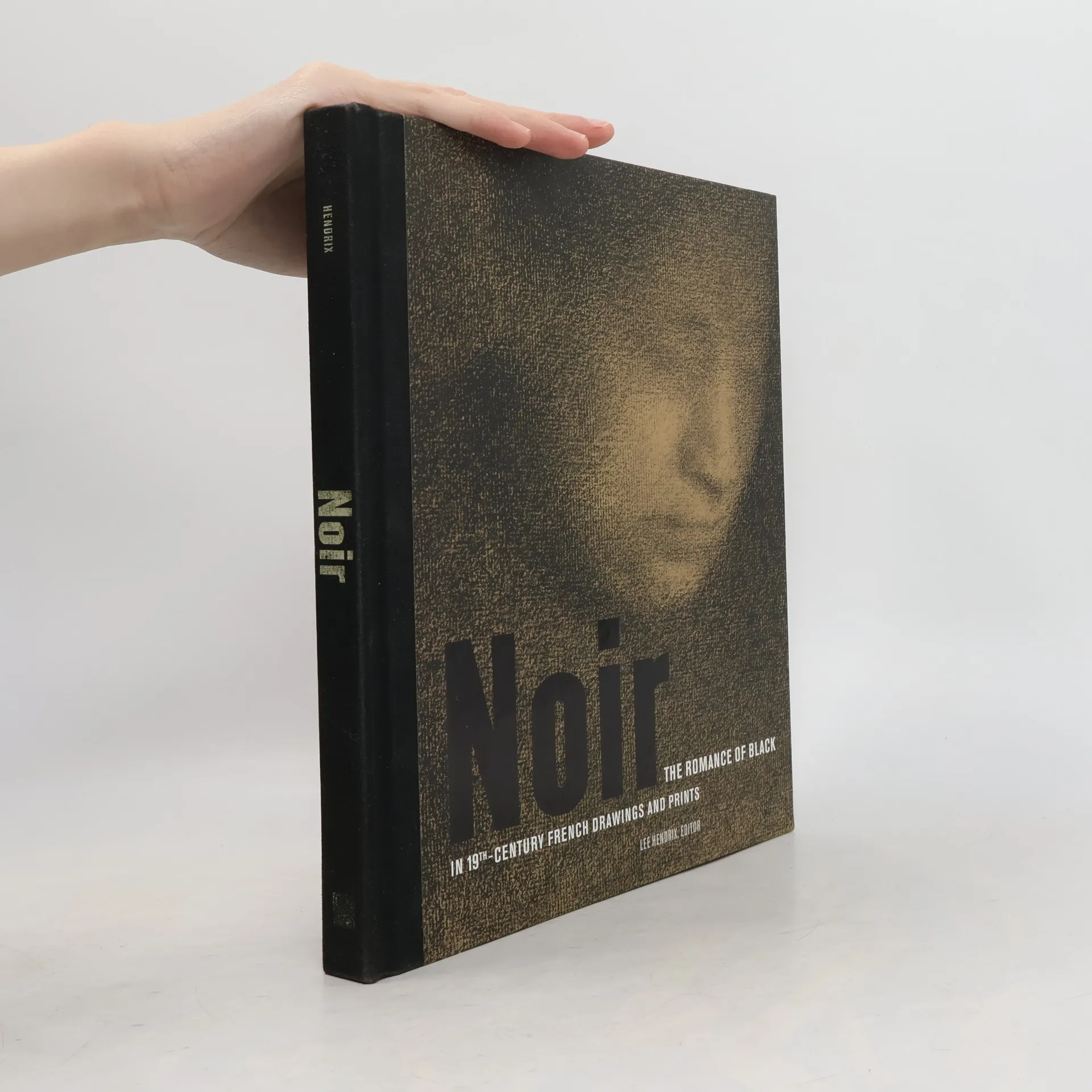
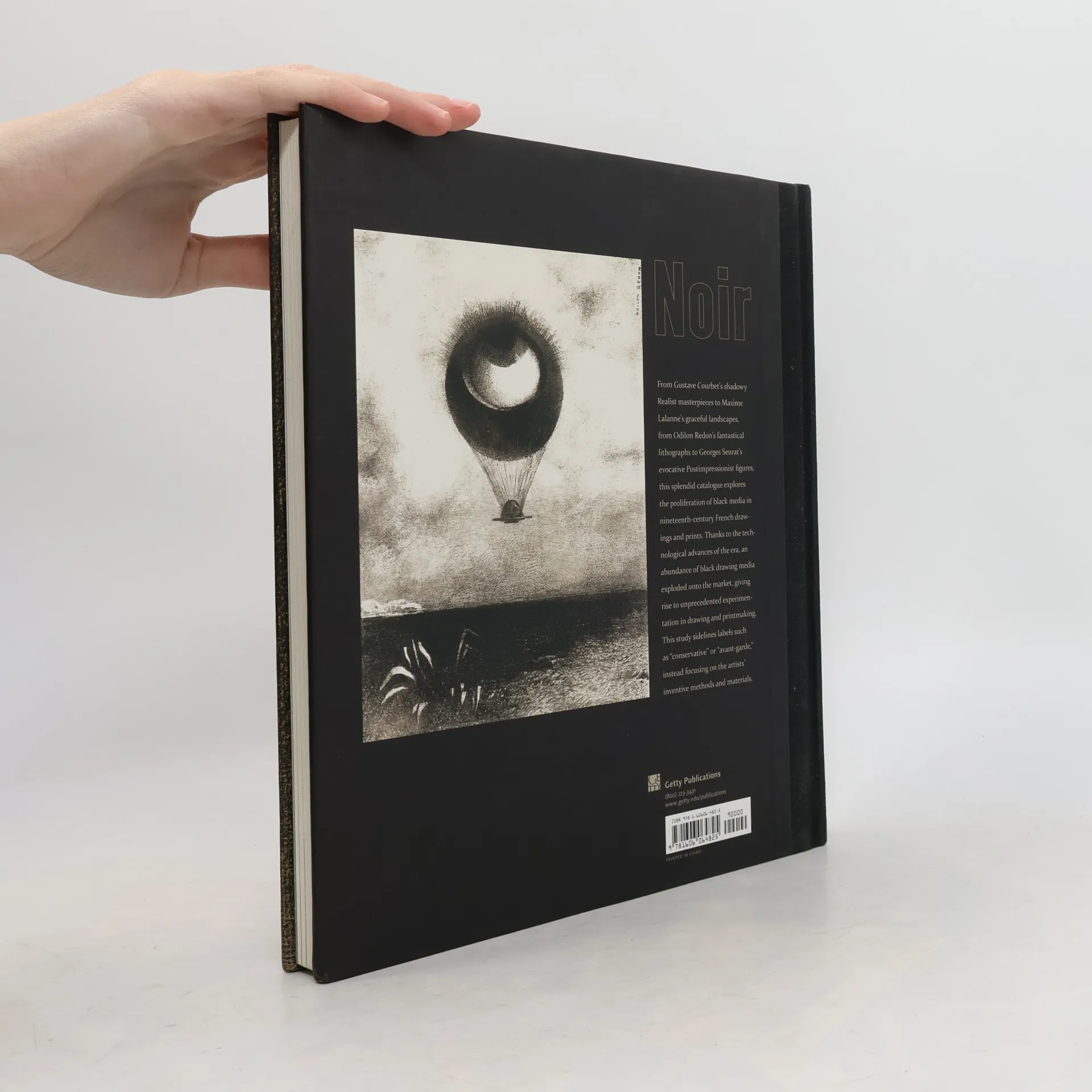
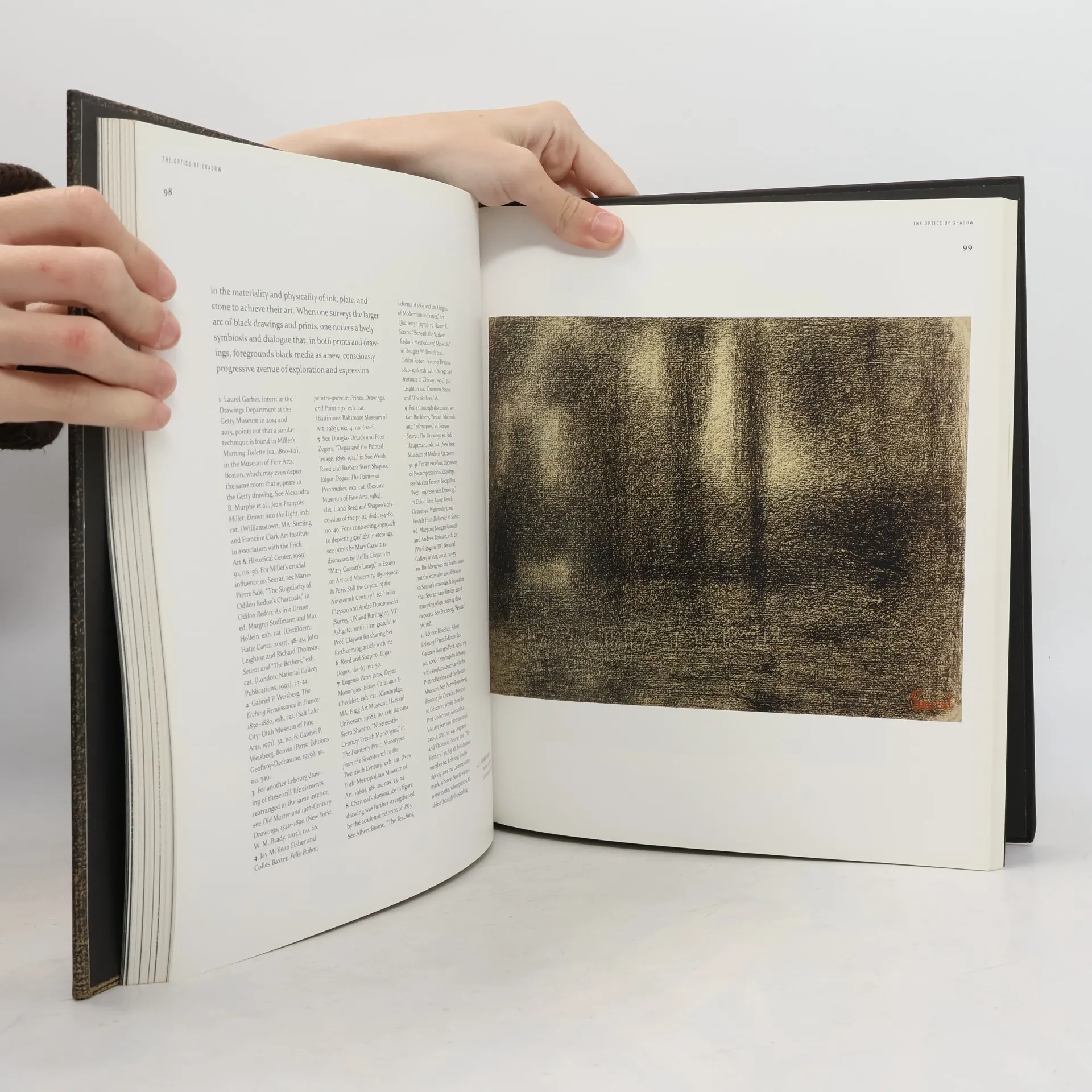
Due to the technological advances of the nineteenth century, an abundance of black drawing media exploded onto the market. Charcoal, conte crayon, and fabricated black chalks and crayons; fixatives; various papers; and many lifting devices gave rise to an unprecedented amount of experimentation. Indeed, innovation became the rule, as artists developed their own unique—and often experimental—processes. The exploration of black media in drawing is inextricably bound up with the exploration of black in prints, and this volume presents an integrated study that rises above specialization in one over the other. Noir brings together such diverse artists as Francisco de Goya, Maxime Lalanne, Gustave Courbet, Odilon Redon, and Georges Seurat and explores their inventive works on paper. Sidelining labels like “conservative” or “avant-garde,” the essays in this book employ all the tools that art history and modern conservation have given us, inviting the reader to look more broadly at the artists’ methods and materials. This volume accompanies an eponymous exhibition on view at the J. Paul Getty Museum from February 9 to May 15, 2016.
Book purchase
Noir, Lee Hendrix, Timothy David Mayhew, Laurel Garber, Cynthia Burlingham
- Language

- Released
- 2016
- Binding
- (Hardcover)
Payment methods
No one has rated yet.
- Title
- Noir
- Subtitle
- The Romance of Black in 19th-Century French Drawings and Prints
- Language
- English
- Publisher
- J. Paul Getty Museum
- Released
- 2016
- Format
- Hardcover
- Pages
- 184
- ISBN10
- 1606064827
- ISBN13
- 9781606064825
- Series
- Tags
- Historical Themes, Art, USA, Exhibition Catalogues, France, Europe, 19th century, History of Art, Western Europe
- Description
- Due to the technological advances of the nineteenth century, an abundance of black drawing media exploded onto the market. Charcoal, conte crayon, and fabricated black chalks and crayons; fixatives; various papers; and many lifting devices gave rise to an unprecedented amount of experimentation. Indeed, innovation became the rule, as artists developed their own unique—and often experimental—processes. The exploration of black media in drawing is inextricably bound up with the exploration of black in prints, and this volume presents an integrated study that rises above specialization in one over the other. Noir brings together such diverse artists as Francisco de Goya, Maxime Lalanne, Gustave Courbet, Odilon Redon, and Georges Seurat and explores their inventive works on paper. Sidelining labels like “conservative” or “avant-garde,” the essays in this book employ all the tools that art history and modern conservation have given us, inviting the reader to look more broadly at the artists’ methods and materials. This volume accompanies an eponymous exhibition on view at the J. Paul Getty Museum from February 9 to May 15, 2016.