


More about the book
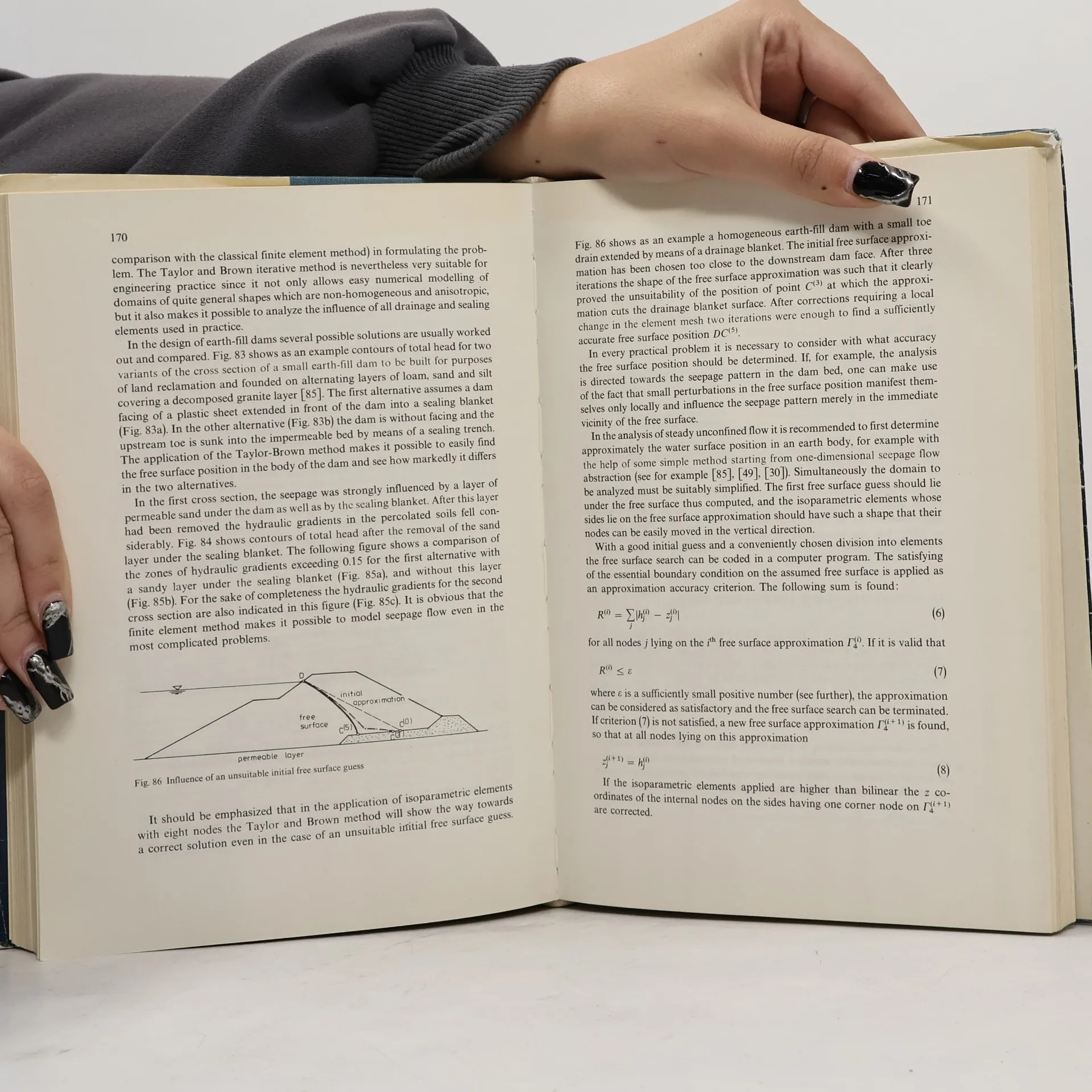
The finite element method (FEM) has emerged as a pivotal numerical technique, driven by advancements in computer technology, and is widely utilized across technical disciplines and natural sciences. Its effectiveness is particularly notable in addressing groundwater flow issues related to hydraulic structures and tailing dams, as well as in soil mechanics, hydrology, hydrogeology, and engineering geology. This book is inspired by practical experiences in constructing and maintaining fill-type and tailing dams, as well as groundwater utilization in Czechoslovakia, alongside insights gained from teaching hydraulic structures at the Technical University of Prague. The text highlights the advantages and potential of FEM while emphasizing its demands for algorithmization, programming, and computational resources. It provides a comprehensive overview of FEM fundamentals, focusing on isoparametric elements known for their adaptability and numerical reliability. The application of FEM to groundwater flow primarily addresses two-dimensional problems, with significant emphasis on non-linear and non-stationary issues, which are crucial in practice. A fully documented computer program based on eight-noded isoparametric elements is included. This resource is essential for civil engineers, hydrogeologists, and engineering geologists seeking effective solutions for complex engineering challenges.
Book purchase
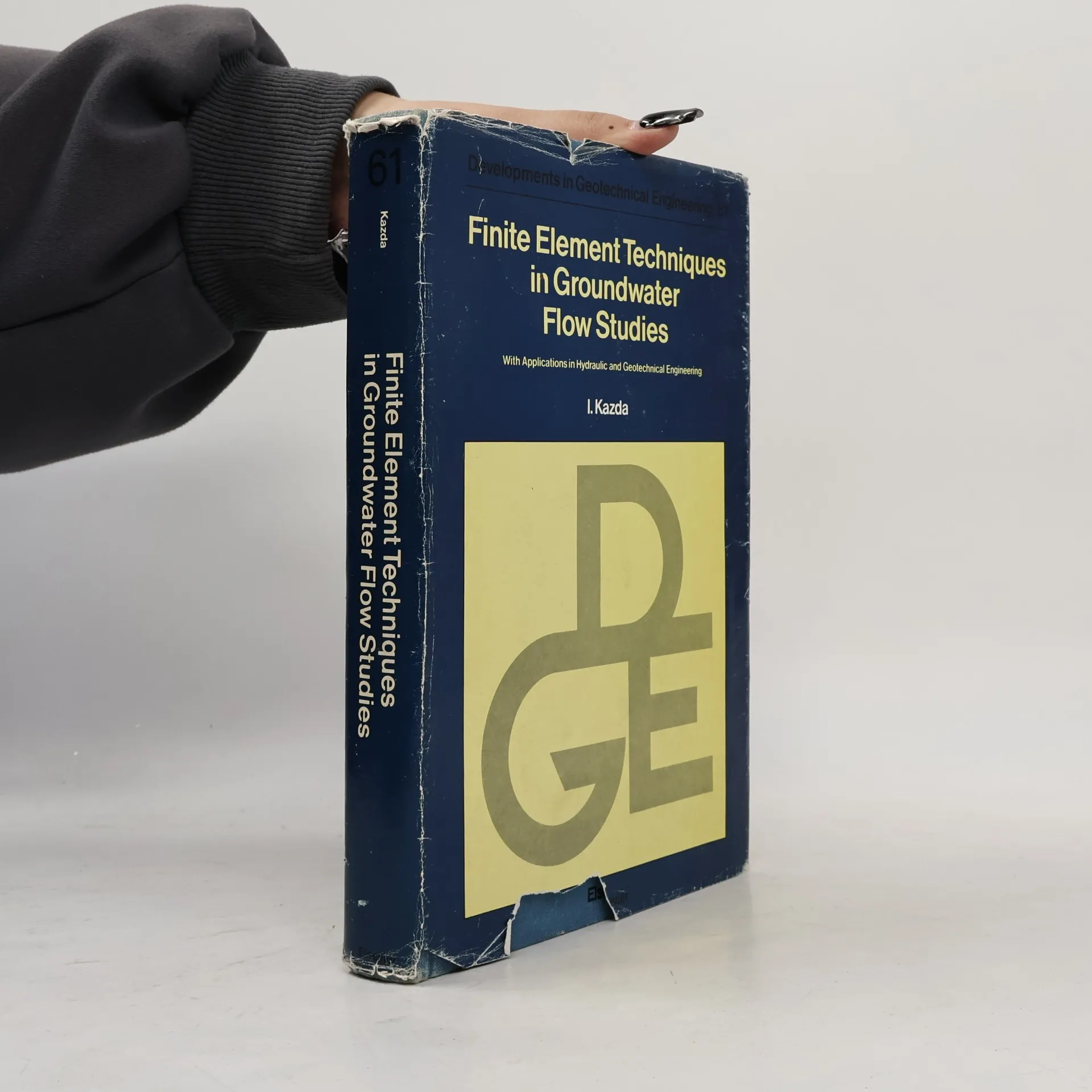
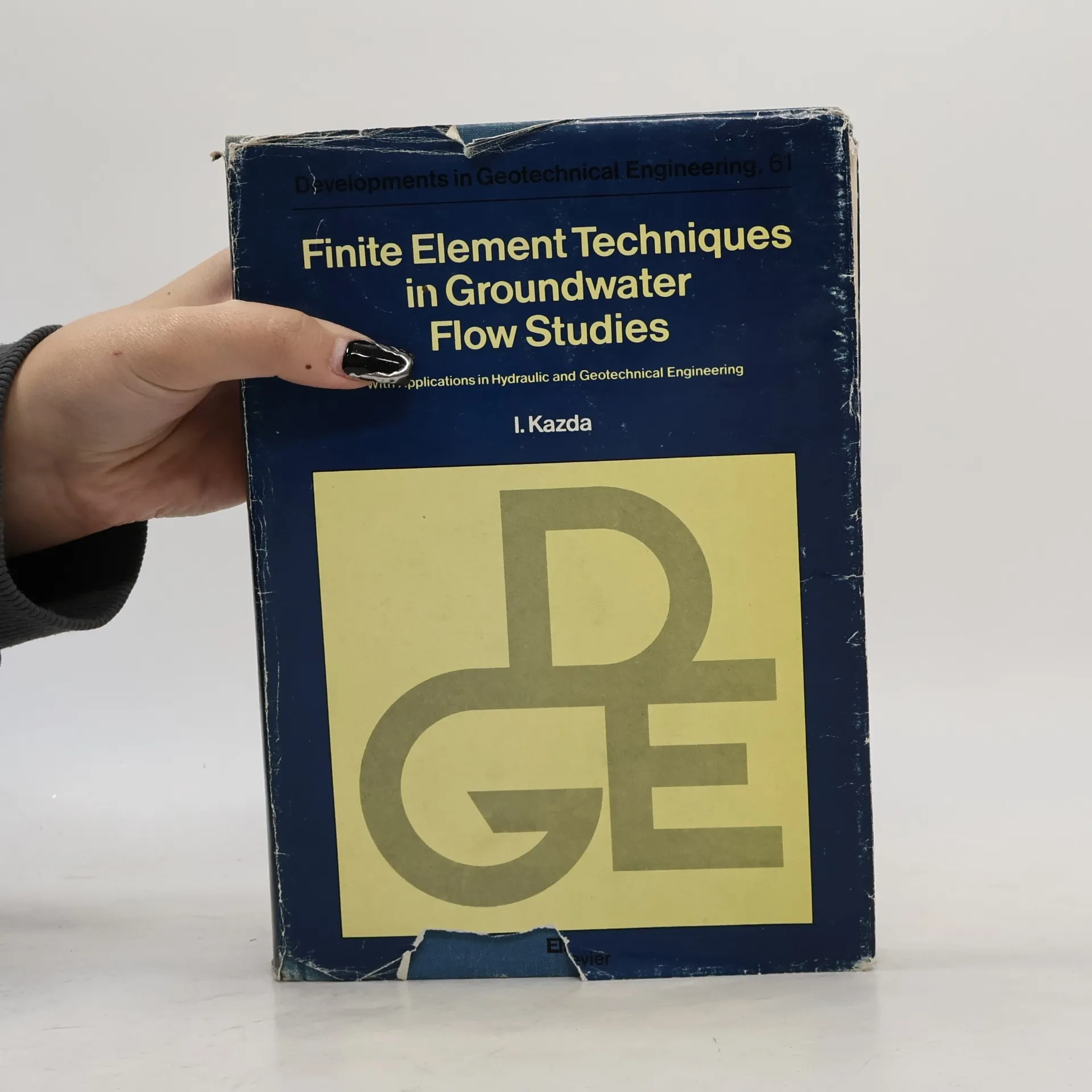
Developments in Geotechnical Engineering - 61: Finite Element Techniques in Groundwater Flow Studies, Ivo Kazda
- Language

- Released
- 1990
- Binding
- (Hardcover),
- Book condition
- Damaged
- Price
- €51.51
Payment methods
No one has rated yet.
- Title
- Developments in Geotechnical Engineering - 61: Finite Element Techniques in Groundwater Flow Studies
- Subtitle
- With Applications in Hydraulic and Geotechnical Engineering
- Language
- English
- Authors
- Ivo Kazda
- Publisher
- Elsevier Science
- Released
- 1990
- Format
- Hardcover
- Pages
- 313
- ISBN10
- 0444988106
- ISBN13
- 9780444988102
- Series
- Categories
- Tags
- Technology
- Description
- The finite element method (FEM) has emerged as a pivotal numerical technique, driven by advancements in computer technology, and is widely utilized across technical disciplines and natural sciences. Its effectiveness is particularly notable in addressing groundwater flow issues related to hydraulic structures and tailing dams, as well as in soil mechanics, hydrology, hydrogeology, and engineering geology. This book is inspired by practical experiences in constructing and maintaining fill-type and tailing dams, as well as groundwater utilization in Czechoslovakia, alongside insights gained from teaching hydraulic structures at the Technical University of Prague. The text highlights the advantages and potential of FEM while emphasizing its demands for algorithmization, programming, and computational resources. It provides a comprehensive overview of FEM fundamentals, focusing on isoparametric elements known for their adaptability and numerical reliability. The application of FEM to groundwater flow primarily addresses two-dimensional problems, with significant emphasis on non-linear and non-stationary issues, which are crucial in practice. A fully documented computer program based on eight-noded isoparametric elements is included. This resource is essential for civil engineers, hydrogeologists, and engineering geologists seeking effective solutions for complex engineering challenges.