

Parameters
- 384 pages
- 14 hours of reading
More about the book
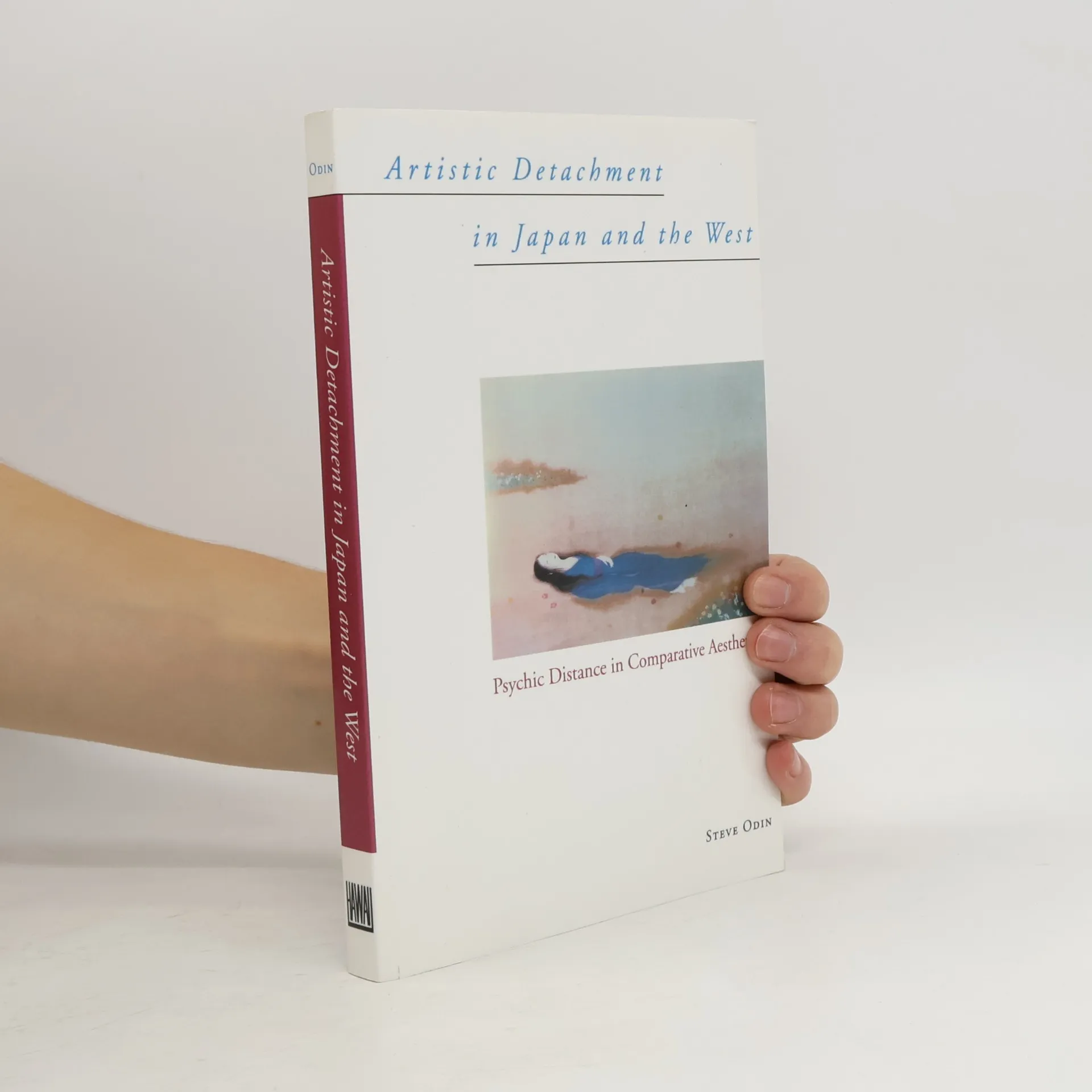
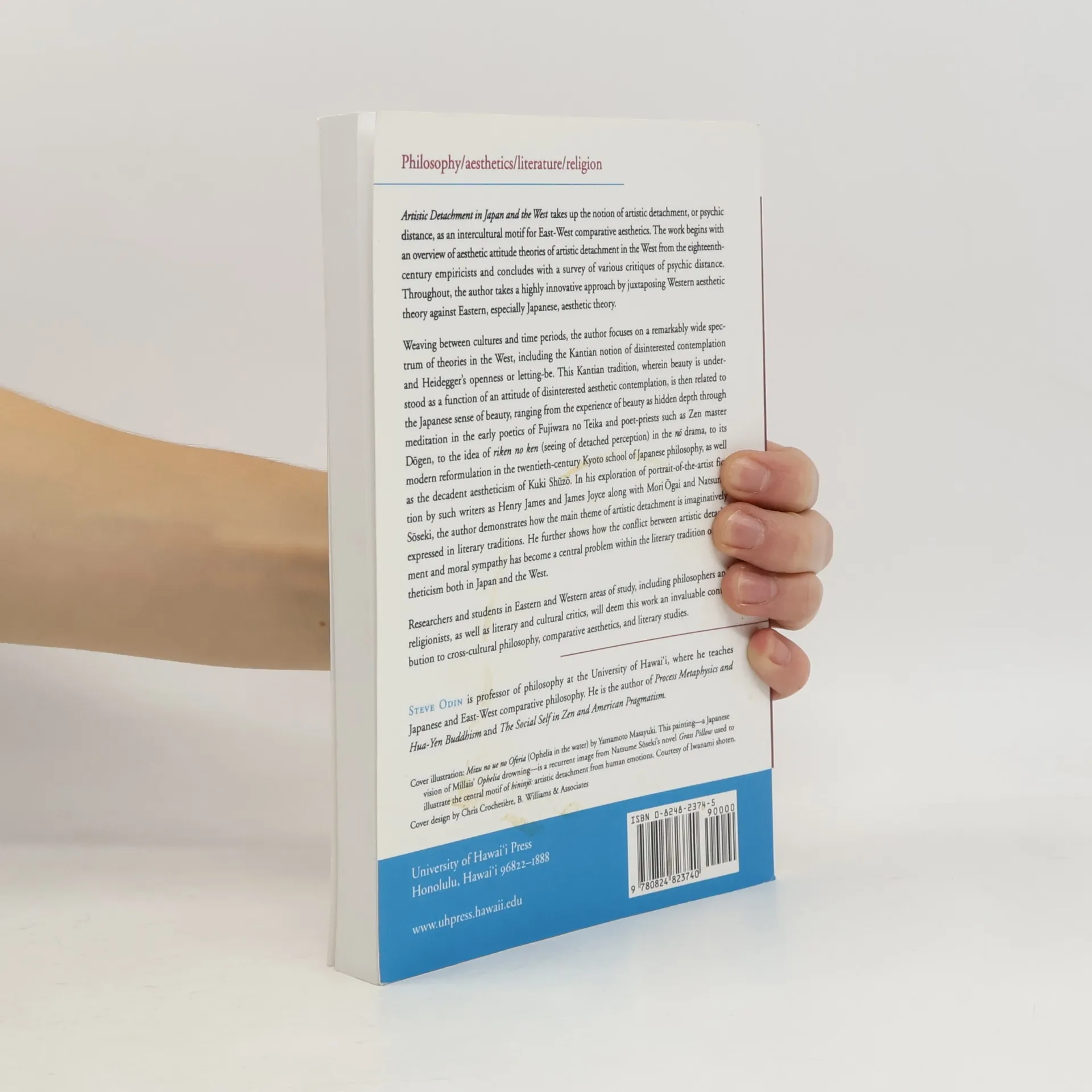
Artistic Detachment in Japan and the West explores the concept of artistic detachment, or psychic distance, as a key theme in East-West comparative aesthetics. The work begins with a survey of Western aesthetic theory from the eighteenth-century empiricists to contemporary thought, followed by critiques of psychic distance. The author employs an innovative approach by contrasting Western aesthetic theories with Eastern, primarily Japanese, perspectives. The discussion spans various cultural and temporal contexts, highlighting Western ideas such as Kant's disinterested contemplation, Heidegger's Gelassenheit, semiotics, and pragmatism, alongside Japanese concepts like Zeami's riken no ken, the Kyoto School's interpretation of nothingness, D. T. Suzuki's no-mind analysis, and Kuki Shuzo's writings on Buddhist detachment. Additionally, the theme of detachment is illustrated through "portrait of the artist" fiction by authors like Henry James, James Joyce, Mori Ogai, and Natsume Soseki. The examination of sympathy and pragmatism in relation to disinterest reveals conflicts and challenges to the notion of detachment. This work is a valuable resource for researchers and students in Eastern and Western studies, including philosophers, religionists, and literary critics, contributing significantly to cross-cultural philosophy and literary studies.
Book purchase
Artistic Detachment in Japan and the West, Steve Odin
- Language

- Released
- 2001
- Binding
- (Paperback),
- Book condition
- Good
- Price
- €14.49
Payment methods
No one has rated yet.
- Title
- Artistic Detachment in Japan and the West
- Subtitle
- Psychic Distance in Comparative Aesthetics
- Language
- English
- Authors
- Steve Odin
- Publisher
- University of Hawaii Press
- Released
- 2001
- Format
- Paperback
- Pages
- 384
- ISBN10
- 0824823745
- ISBN13
- 9780824823740
- Series
- Categories
- Tags
- Art, USA, Culture and Society, History of Art, Japan, Western Europe, Asian Fiction, Aesthetics, Japanese
- Description
- Artistic Detachment in Japan and the West explores the concept of artistic detachment, or psychic distance, as a key theme in East-West comparative aesthetics. The work begins with a survey of Western aesthetic theory from the eighteenth-century empiricists to contemporary thought, followed by critiques of psychic distance. The author employs an innovative approach by contrasting Western aesthetic theories with Eastern, primarily Japanese, perspectives. The discussion spans various cultural and temporal contexts, highlighting Western ideas such as Kant's disinterested contemplation, Heidegger's Gelassenheit, semiotics, and pragmatism, alongside Japanese concepts like Zeami's riken no ken, the Kyoto School's interpretation of nothingness, D. T. Suzuki's no-mind analysis, and Kuki Shuzo's writings on Buddhist detachment. Additionally, the theme of detachment is illustrated through "portrait of the artist" fiction by authors like Henry James, James Joyce, Mori Ogai, and Natsume Soseki. The examination of sympathy and pragmatism in relation to disinterest reveals conflicts and challenges to the notion of detachment. This work is a valuable resource for researchers and students in Eastern and Western studies, including philosophers, religionists, and literary critics, contributing significantly to cross-cultural philosophy and literary studies.