


More about the book
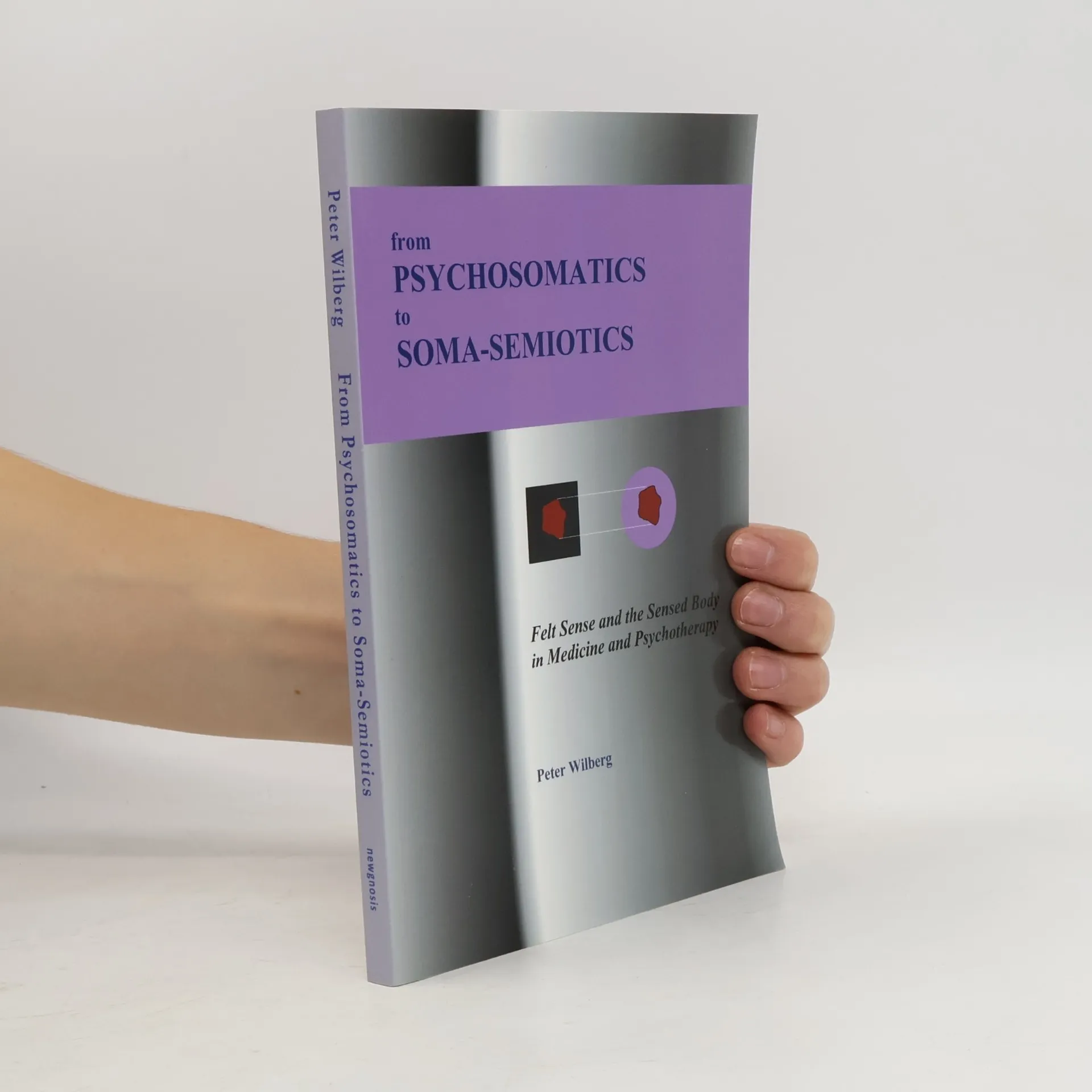
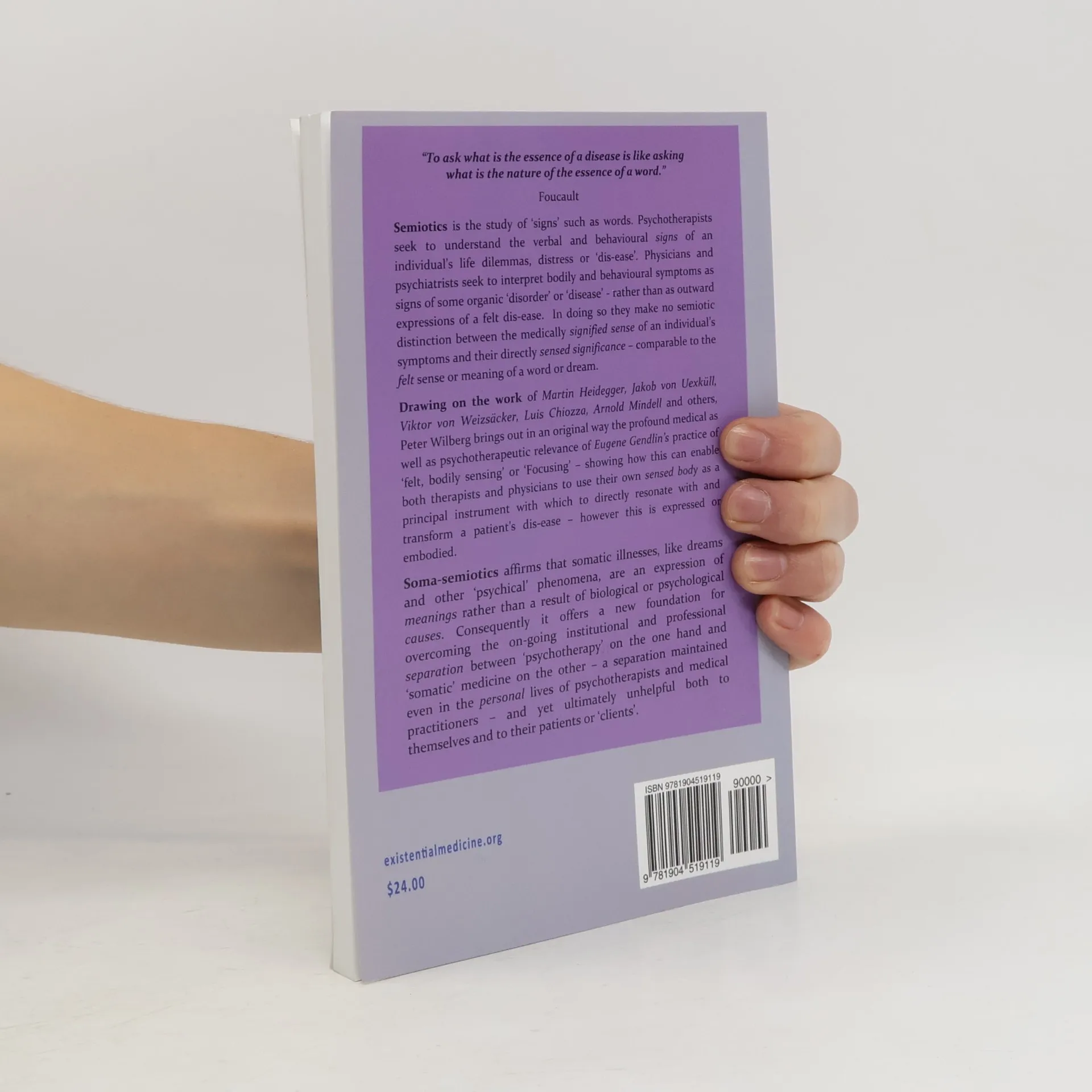
Semiotics studies 'signs' or 'signifiers' like words, which psychotherapists use to interpret the verbal and behavioral signs of emotional dis-ease. Medical professionals diagnose bodily and behavioral symptoms as indicators of organic 'disease' or 'disorder,' but they often overlook the semiotic distinction between the medical interpretation of symptoms and their felt significance. Drawing on thinkers like Martin Heidegger and Eugene Gendlin, Peter Wilberg explores the therapeutic implications of Gendlin's Focusing method, emphasizing 'felt sense'—the idea that meaning can be sensed in a bodily way. This approach highlights the relational aspect of 'bodily sensing.' Soma-semiotics posits that somatic illnesses reflect lived and felt meanings rather than merely organic or psychosocial causes. By adopting a soma-semiotic perspective, therapists and medical professionals can use their own bodily awareness to resonate with a patient's dis-ease, allowing them to grasp its meaning directly rather than relying solely on medical terminology. This framework aims to bridge the gap between psychotherapy and somatic medicine, addressing the ongoing separation that persists in both professional practices and personal lives.
Book purchase
From Psychosomatics to Soma-Semiotics, Peter Wilberg
- Language

- Released
- 2010
- Binding
- (Paperback)
Payment methods
No one has rated yet.
- Title
- From Psychosomatics to Soma-Semiotics
- Subtitle
- Felt Sense and the Sensed Body in Medicine and Psychotherapy
- Language
- English
- Authors
- Peter Wilberg
- Publisher
- New Gnosis Publications
- Released
- 2010
- Format
- Paperback
- Pages
- 212
- ISBN10
- 1904519113
- ISBN13
- 9781904519119
- Series
- Categories
- Description
- Semiotics studies 'signs' or 'signifiers' like words, which psychotherapists use to interpret the verbal and behavioral signs of emotional dis-ease. Medical professionals diagnose bodily and behavioral symptoms as indicators of organic 'disease' or 'disorder,' but they often overlook the semiotic distinction between the medical interpretation of symptoms and their felt significance. Drawing on thinkers like Martin Heidegger and Eugene Gendlin, Peter Wilberg explores the therapeutic implications of Gendlin's Focusing method, emphasizing 'felt sense'—the idea that meaning can be sensed in a bodily way. This approach highlights the relational aspect of 'bodily sensing.' Soma-semiotics posits that somatic illnesses reflect lived and felt meanings rather than merely organic or psychosocial causes. By adopting a soma-semiotic perspective, therapists and medical professionals can use their own bodily awareness to resonate with a patient's dis-ease, allowing them to grasp its meaning directly rather than relying solely on medical terminology. This framework aims to bridge the gap between psychotherapy and somatic medicine, addressing the ongoing separation that persists in both professional practices and personal lives.