



More about the book
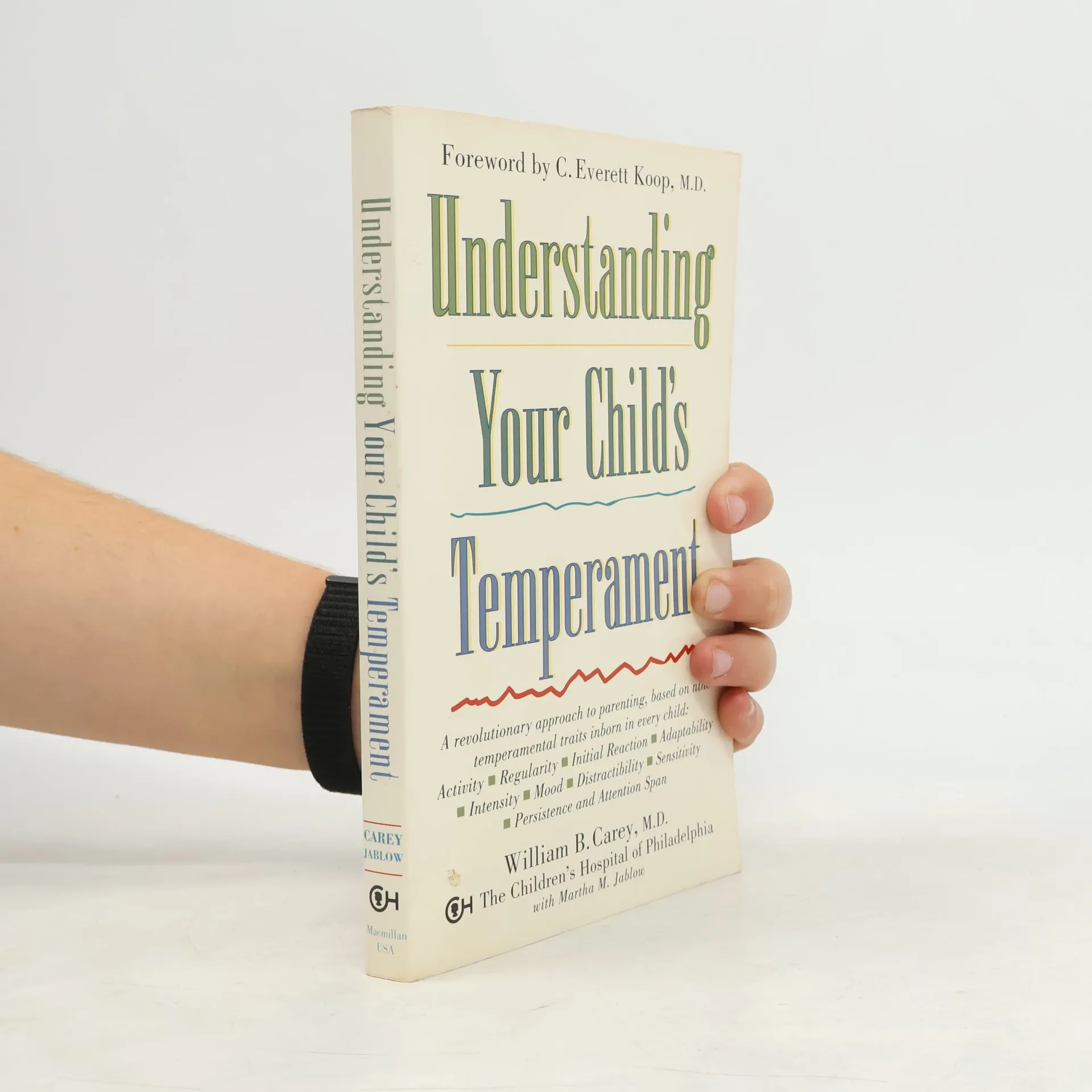
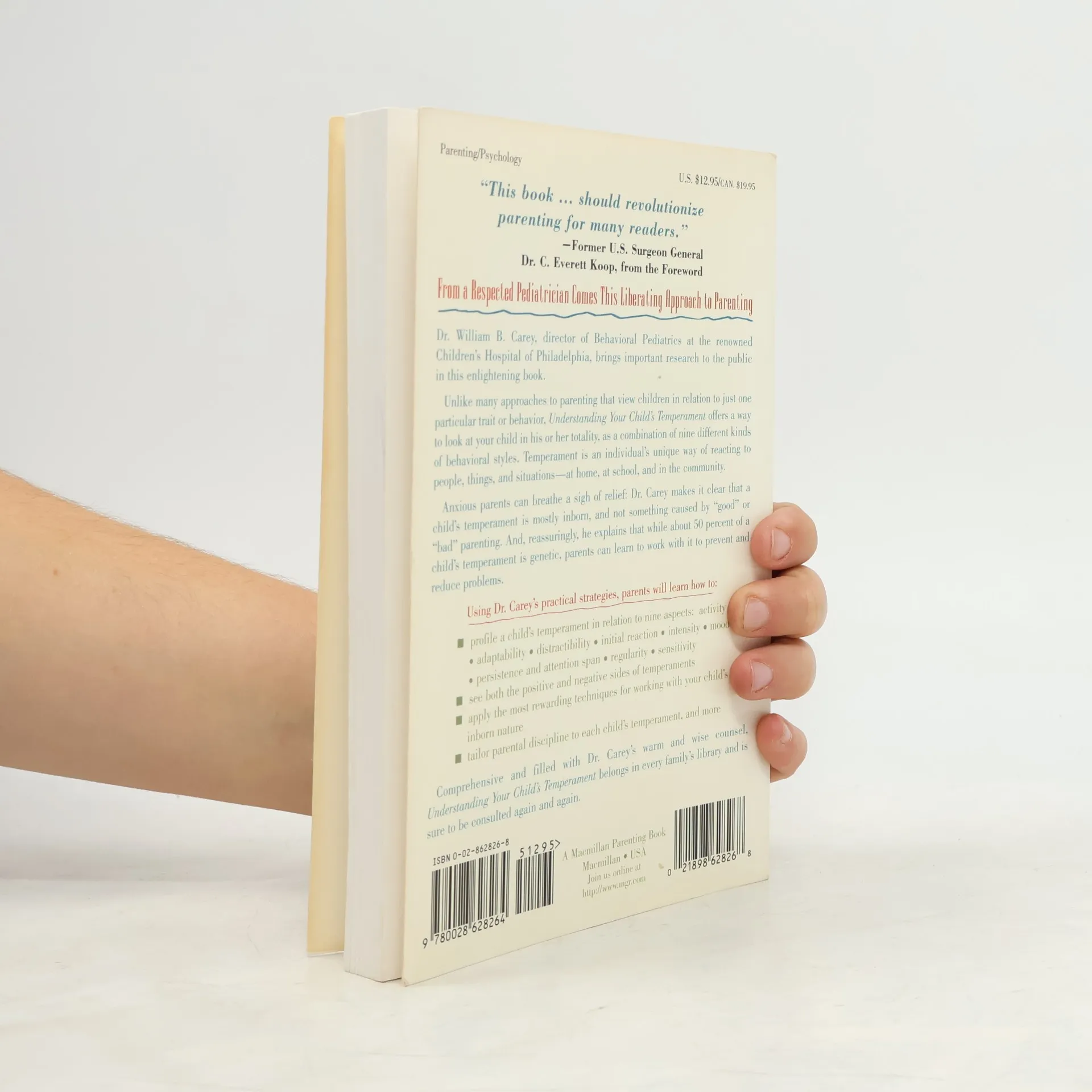
This groundbreaking book gives parents the benefit of thirty years of research into temperament in an accessible, useful format. One of the country's most respected pediatricians, Dr. William B. Carey, explains what temperament is and why it matters to you and to your child. He helps you profile your child's temperament and offers practical suggestions for working with - rather than against - that temperament, from infancy through adolescence. This comprehensive book examines temperament's influence on a broad range of areas - physical health, development, school performance, and how a child responds to stress and crises. Dr. Carey explains nine largely inborn temperament characteristics: activity, adaptability, distractibility, initial reaction, intensity, mood, persistence and attention span, regularity, and sensitivity.
Book purchase
Understanding Your Child's Temperament, William B. Carey, Martha Moraghan Jablow, C. Everett Koop
- Language

- Released
- 1998
- Binding
- (Paperback),
- Book condition
- Good
- Price
- €1.59
Payment methods
No one has rated yet.
- Title
- Understanding Your Child's Temperament
- Language
- English
- Publisher
- WILEY
- Released
- 1998
- Format
- Paperback
- Pages
- 256
- ISBN10
- 0028628268
- ISBN13
- 9780028628264
- Series
- Categories
- Description
- This groundbreaking book gives parents the benefit of thirty years of research into temperament in an accessible, useful format. One of the country's most respected pediatricians, Dr. William B. Carey, explains what temperament is and why it matters to you and to your child. He helps you profile your child's temperament and offers practical suggestions for working with - rather than against - that temperament, from infancy through adolescence. This comprehensive book examines temperament's influence on a broad range of areas - physical health, development, school performance, and how a child responds to stress and crises. Dr. Carey explains nine largely inborn temperament characteristics: activity, adaptability, distractibility, initial reaction, intensity, mood, persistence and attention span, regularity, and sensitivity.