

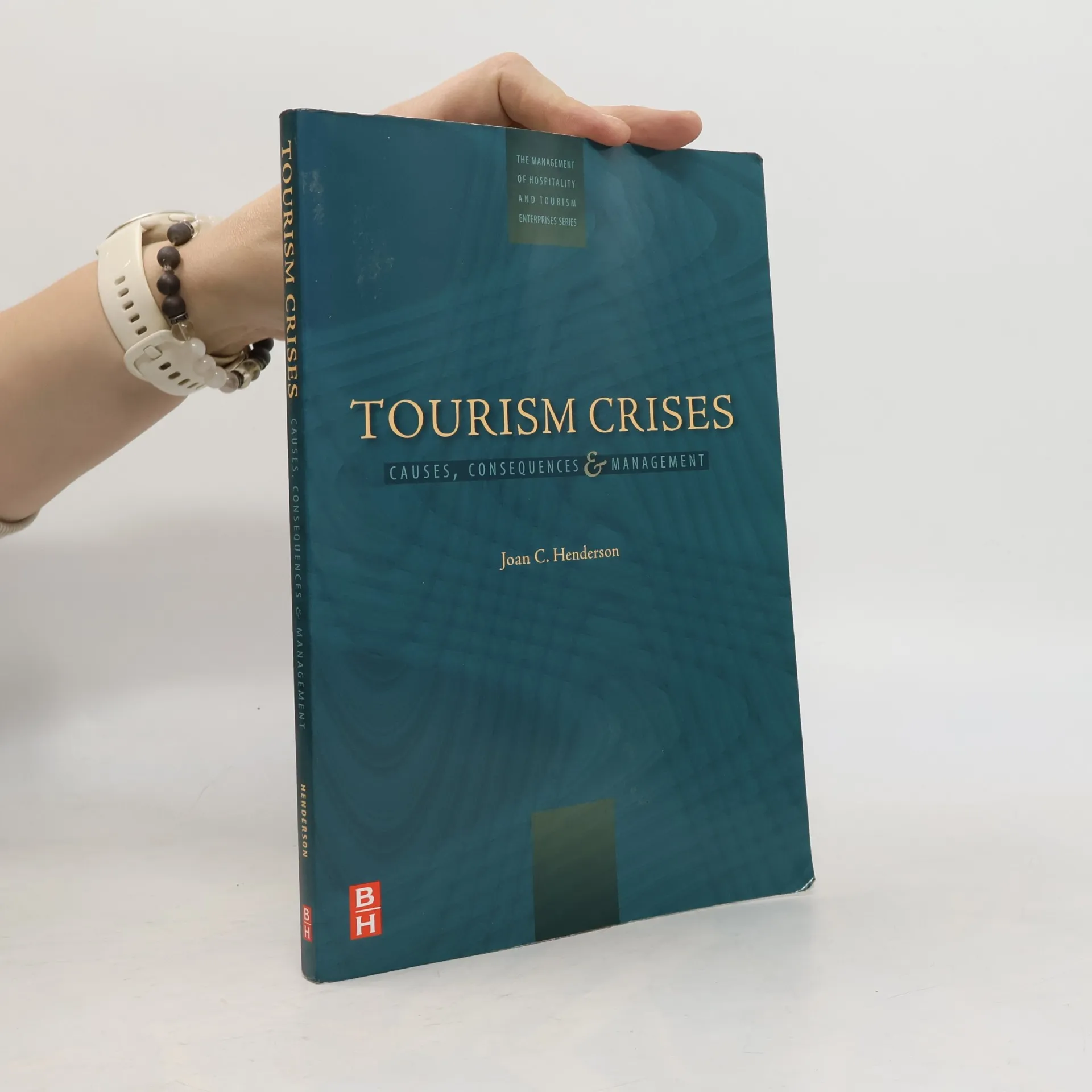


More about the book
In an increasingly uncertain world, it is essential for tourism industry managers to possess advanced decision-making skills to navigate crises. This work synthesizes crisis management and tourism research with a strong theoretical foundation, examining crisis management principles and practices within the multi-sector tourism industry. It utilizes contemporary international case studies to address various crisis types, including the political relationship between tourism and politically inspired crises, social dynamics affecting host-guest relations, economic fluctuations due to exchange rate instability, environmental challenges from natural disasters and health issues, technological failures leading to transport accidents, and corporate crises involving human resource and financial concerns. Each chapter features a user-friendly structure that analyzes the prevalence and tendencies of specific crisis types, supported by real-world examples and case studies detailing organizational challenges and responses. The text evaluates crisis management approaches and explores essential tools and techniques, providing readers with critical insights into effective decision-making in tourism and equipping them with the necessary skills to manage crises effectively.
Book purchase
Managing Tourism Crises, Joan C. Henderson
- Language

- Released
- 2006
- Binding
- (Paperback),
- Book condition
- Good
- Price
- €12.99
Payment methods
No one has rated yet.
- Title
- Managing Tourism Crises
- Subtitle
- Causes, Consequences and Management (The Management of Hospitality and Tourism Enterprises)
- Language
- English
- Authors
- Joan C. Henderson
- Publisher
- Routledge
- Released
- 2006
- Format
- Paperback
- Pages
- 200
- ISBN10
- 0750678348
- ISBN13
- 9780750678346
- Series
- Tags
- Business, USA, Industry, Crisis, Tourism Industry, Boxing, Crisis Management
- Description
- In an increasingly uncertain world, it is essential for tourism industry managers to possess advanced decision-making skills to navigate crises. This work synthesizes crisis management and tourism research with a strong theoretical foundation, examining crisis management principles and practices within the multi-sector tourism industry. It utilizes contemporary international case studies to address various crisis types, including the political relationship between tourism and politically inspired crises, social dynamics affecting host-guest relations, economic fluctuations due to exchange rate instability, environmental challenges from natural disasters and health issues, technological failures leading to transport accidents, and corporate crises involving human resource and financial concerns. Each chapter features a user-friendly structure that analyzes the prevalence and tendencies of specific crisis types, supported by real-world examples and case studies detailing organizational challenges and responses. The text evaluates crisis management approaches and explores essential tools and techniques, providing readers with critical insights into effective decision-making in tourism and equipping them with the necessary skills to manage crises effectively.