




Parameters
- 276 pages
- 10 hours of reading
More about the book
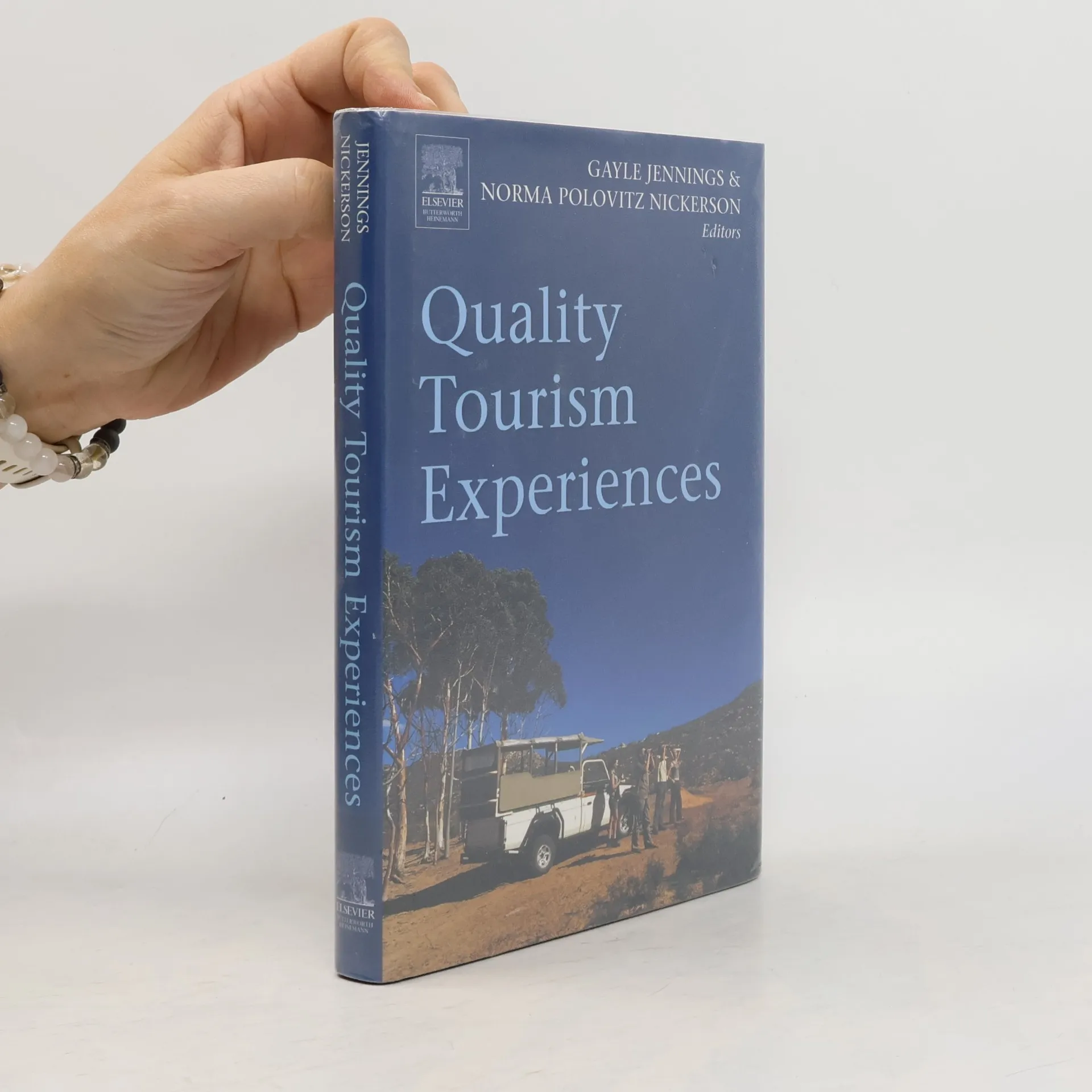
This edited book explores the multifaceted meanings of quality tourism experiences, acknowledging the diverse contexts and stakeholders involved in tourism. The phrase "quality tourism experiences" is prevalent in the industry and encompasses a range of interpretations from businesses, government bodies, tourists, communities, and academics. It is often linked to positive social impacts, economic advantages, environmental protection, and sustainability issues, illustrating that it is not a fixed term but one subject to various interpretations. The central premise is that "quality" is a socially constructed concept, as are tourism experiences. The authors examine the roles of mass media, travel providers, host communities, tourists, and government at all levels. From an academic viewpoint, quality tourism experiences are shaped by interactions between hosts and guests, tourism product classifications, market differentiation, and economic benefits. Quality also pertains to service standards, quality assurance, and stakeholder perceptions at individual, business, and community levels. Bringing together writers from diverse backgrounds and methodologies, the book exemplifies how interdisciplinary collaboration can enhance understanding and representation of complex topics in tourism studies.
Book purchase
Quality Tourism Experiences, Gayle Jennings
- Language

- Released
- 2005
- Binding
- (Hardcover),
- Book condition
- Damaged
- Price
- €12.21
Payment methods
No one has rated yet.
- Title
- Quality Tourism Experiences
- Language
- English
- Authors
- Gayle Jennings
- Publisher
- Routledge
- Released
- 2005
- Format
- Hardcover
- Pages
- 276
- ISBN10
- 0750678119
- ISBN13
- 9780750678117
- Series
- Categories
- Description
- This edited book explores the multifaceted meanings of quality tourism experiences, acknowledging the diverse contexts and stakeholders involved in tourism. The phrase "quality tourism experiences" is prevalent in the industry and encompasses a range of interpretations from businesses, government bodies, tourists, communities, and academics. It is often linked to positive social impacts, economic advantages, environmental protection, and sustainability issues, illustrating that it is not a fixed term but one subject to various interpretations. The central premise is that "quality" is a socially constructed concept, as are tourism experiences. The authors examine the roles of mass media, travel providers, host communities, tourists, and government at all levels. From an academic viewpoint, quality tourism experiences are shaped by interactions between hosts and guests, tourism product classifications, market differentiation, and economic benefits. Quality also pertains to service standards, quality assurance, and stakeholder perceptions at individual, business, and community levels. Bringing together writers from diverse backgrounds and methodologies, the book exemplifies how interdisciplinary collaboration can enhance understanding and representation of complex topics in tourism studies.