




More about the book
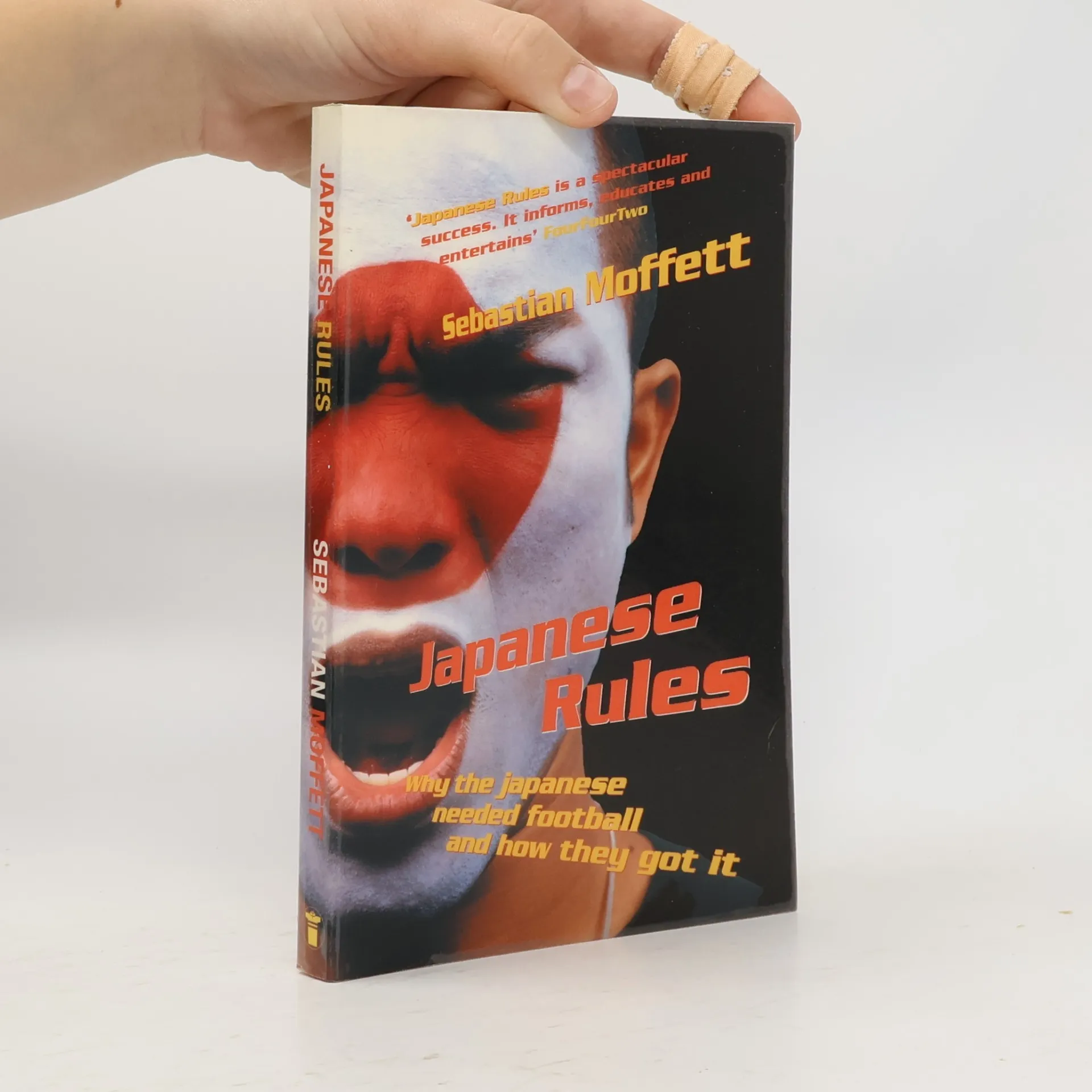
Who needs football? A little over 10 years ago the Japanese decided they did. After treating it as an irrelevant sport for over 100 years they launched a national project aimed at enrolling themselves as one of the world's footballing powers. Money was no problem. When the professional J. League was set up in 1993, it was hyped and financed by some of the country's richest organisations and attracted high-profile members of the world's footballing aristocracy such as Zico, Gary Lineker, Arsene Wenger and Ossie Ardilles. The Japanese players were dedicated to the cause and even the fans studied, scrutinising the crowds in satellite TV broadcasts to learn the best way to support their teams. Football did indeed become more than a genuine game for Japan. It was going to help the country change, to make it more like the rest of the world. It would make the Japanese more internationally-minded, creative, expressive - everything they were not, but felt they needed to be. It was, according to J. league founder Saburo Kawabuchi, 'an attempt at social revolution'. In the year following their successful hosting of a spectacular World Cup, Japanese Rules shows what worked, what didn't and why.
Book purchase
Japanese Rules, Sebastian Moffett
- Language

- Released
- 2003
- Binding
- (Paperback),
- Book condition
- Damaged
- Price
- €34.34
Payment methods
No one has rated yet.
- Title
- Japanese Rules
- Subtitle
- Japan and the Beautiful Game
- Language
- English
- Authors
- Sebastian Moffett
- Publisher
- Vintage/Ebury (a Division of Random
- Released
- 2003
- Format
- Paperback
- Pages
- 224
- ISBN10
- 0224062069
- ISBN13
- 9780224062060
- Series
- Categories
- Description
- Who needs football? A little over 10 years ago the Japanese decided they did. After treating it as an irrelevant sport for over 100 years they launched a national project aimed at enrolling themselves as one of the world's footballing powers. Money was no problem. When the professional J. League was set up in 1993, it was hyped and financed by some of the country's richest organisations and attracted high-profile members of the world's footballing aristocracy such as Zico, Gary Lineker, Arsene Wenger and Ossie Ardilles. The Japanese players were dedicated to the cause and even the fans studied, scrutinising the crowds in satellite TV broadcasts to learn the best way to support their teams. Football did indeed become more than a genuine game for Japan. It was going to help the country change, to make it more like the rest of the world. It would make the Japanese more internationally-minded, creative, expressive - everything they were not, but felt they needed to be. It was, according to J. league founder Saburo Kawabuchi, 'an attempt at social revolution'. In the year following their successful hosting of a spectacular World Cup, Japanese Rules shows what worked, what didn't and why.