




Parameters
- 250 pages
- 9 hours of reading
More about the book
This book examines the rise of Czech radical nationalism at a time of maturing mass political mobilization and intense social and political conflict. As the masses gained access to the political system across Europs, ethnic and class divisions increased the potential for trouble. Popular dissatisfaction with rapid but uneven modernization of Habsburg society and preexisting inter-ethnic tension led the Czech radical to develop a new and sometimes violent political style that upset the relative unity of Czech political life. By 1914, these radicals were successfully challenging their larger and more entrenched rivals for a dominant political position. They also exported their political style to other parts of the region, most notably to the territories with large Croatian and Slovenian populations, thereby contributing to the radicalization of these national movements as well. The history of the Czech National Socialist party and its allies provides compelling evidence of the problematic nature of democratization in such a charged environment and reveals how Czech radicalism was a part of broader European developments.
Book purchase
East European Monographs: Without Remorse, Maja Trochimczyk, T. Mills Kelly
- Language

- Released
- 2006
- Binding
- (Hardcover),
- Book condition
- Damaged
- Price
- €25.86
Payment methods
No one has rated yet.
- Title
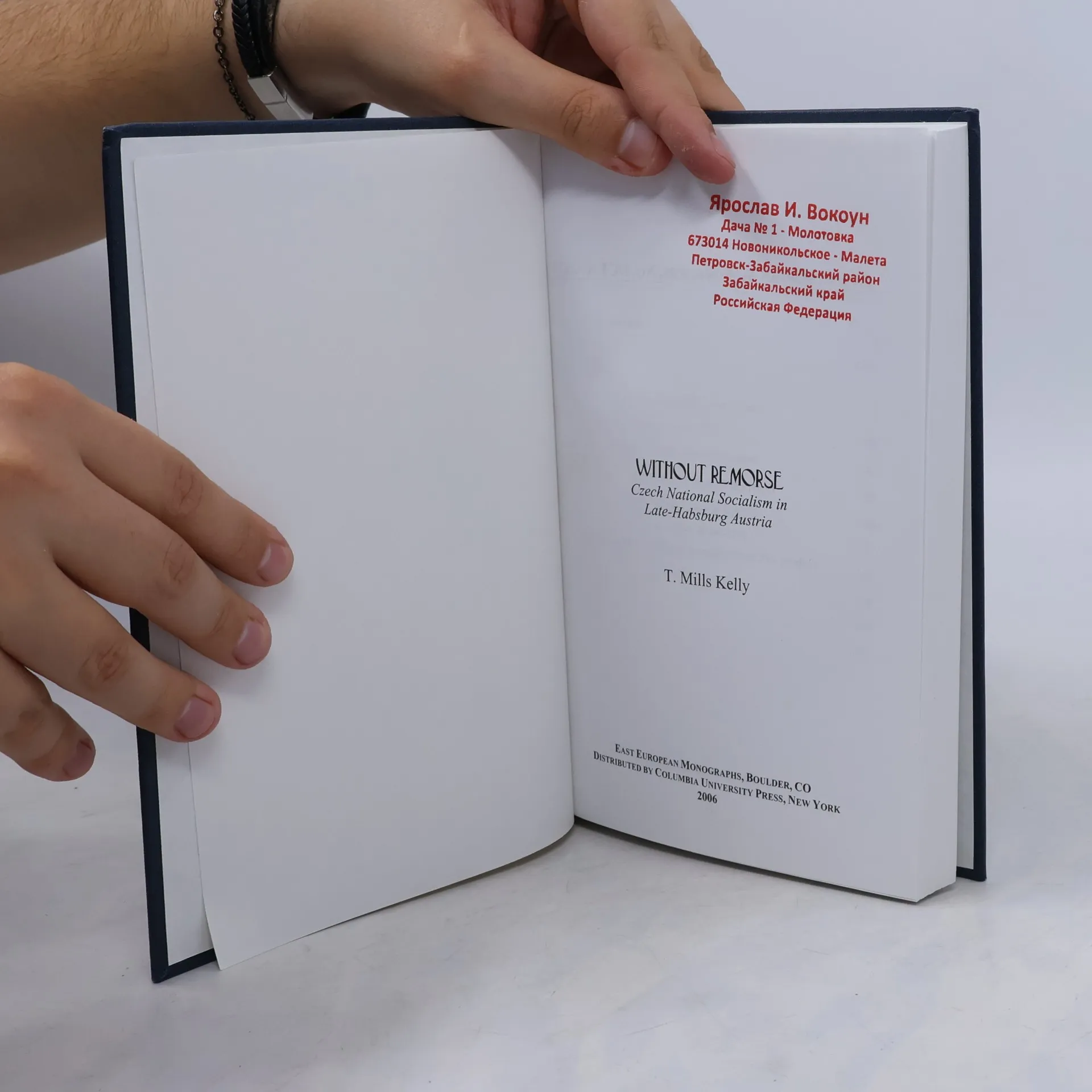
- East European Monographs: Without Remorse
- Subtitle
- Czech National Socialism in Late-Habsburg Austria
- Language
- English
- Authors
- Maja Trochimczyk, T. Mills Kelly
- Publisher
- East European Monographs
- Released
- 2006
- Format
- Hardcover
- Pages
- 250
- ISBN10
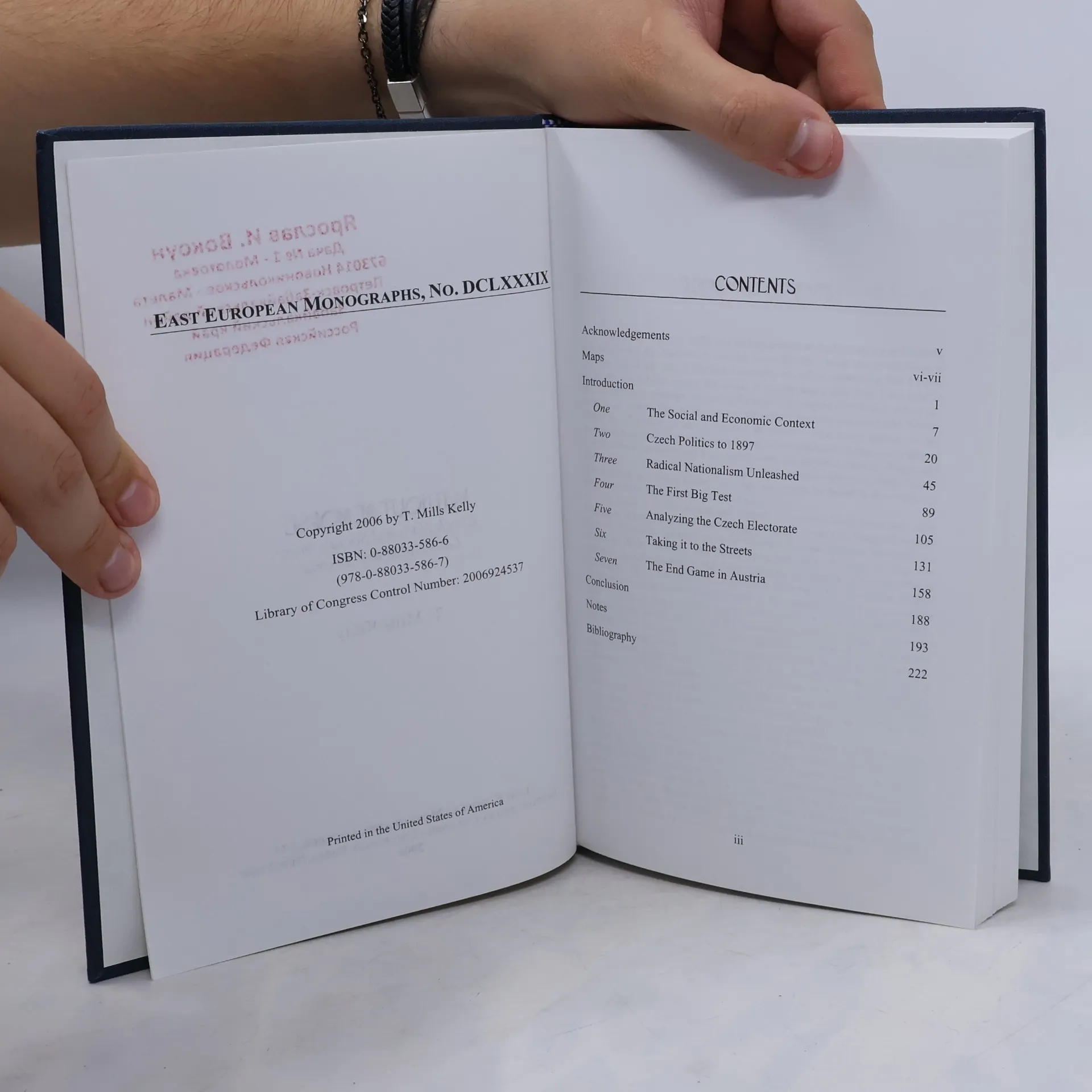
- 0880335866
- ISBN13
- 9780880335867
- Series
- Categories
- Tags
- Music Theme, USA, Professional Literature, History of Europe, Austria, Czech Republic, Moravia, Nationalism, Bohemia, Silesia, Political Parties
- Description
- This book examines the rise of Czech radical nationalism at a time of maturing mass political mobilization and intense social and political conflict. As the masses gained access to the political system across Europs, ethnic and class divisions increased the potential for trouble. Popular dissatisfaction with rapid but uneven modernization of Habsburg society and preexisting inter-ethnic tension led the Czech radical to develop a new and sometimes violent political style that upset the relative unity of Czech political life. By 1914, these radicals were successfully challenging their larger and more entrenched rivals for a dominant political position. They also exported their political style to other parts of the region, most notably to the territories with large Croatian and Slovenian populations, thereby contributing to the radicalization of these national movements as well. The history of the Czech National Socialist party and its allies provides compelling evidence of the problematic nature of democratization in such a charged environment and reveals how Czech radicalism was a part of broader European developments.