



Parameters
- 363 pages
- 13 hours of reading
More about the book
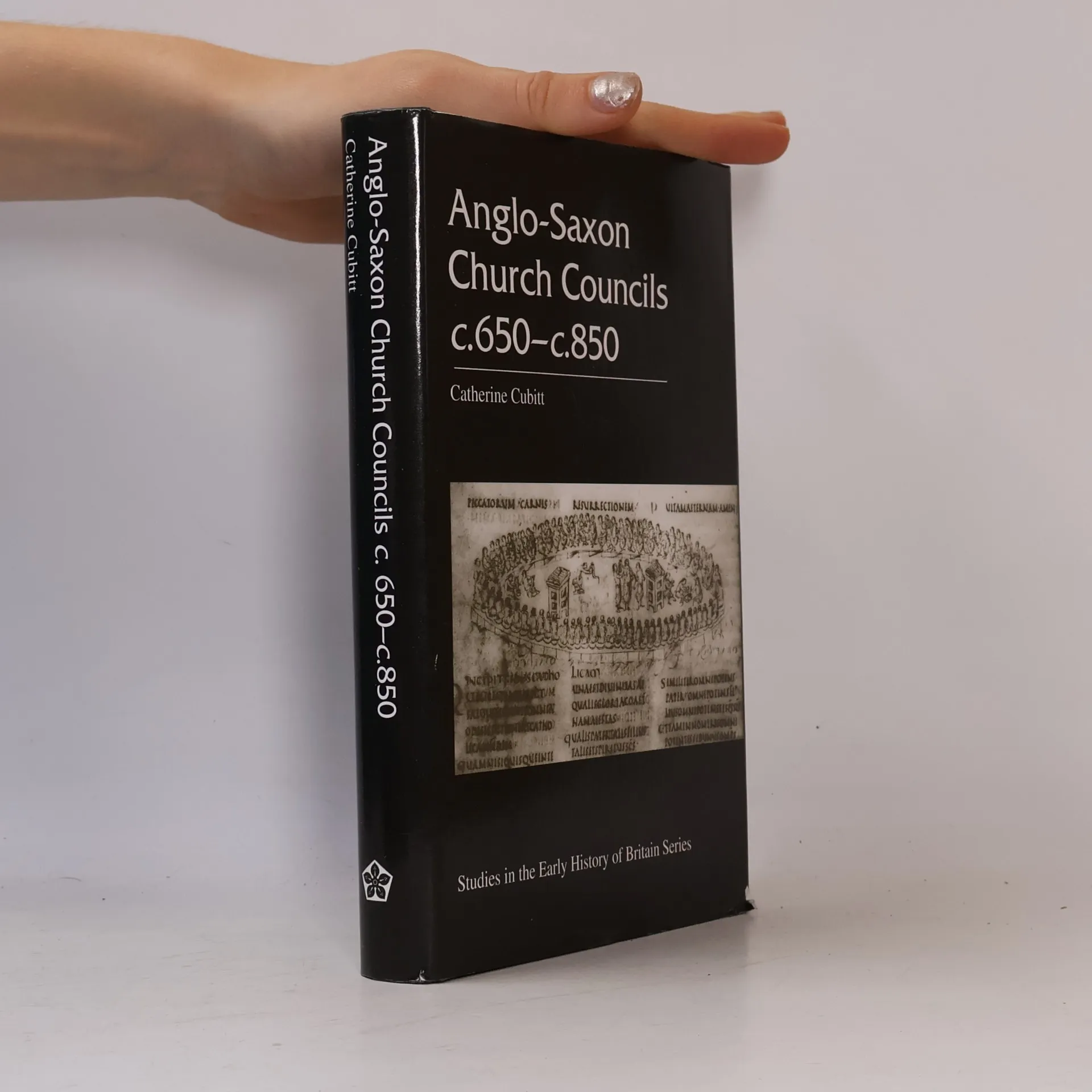
Of major importance to the Anglo-Saxon church in the period c.650-c.850, church councils played a vital role in the organisation of church life, as well as functioning as a forum for the meetings of kings and bishops.This study investigates fundamental issues of How frequently did Anglo-Saxon church councils meet? Who attended? Where did they meet? By answering such questions, Cubitt reveals the prominent role of church councils within Anglo-Saxon ecclesiastical and political developments. Individual case studies of councils and their canons focus on their contribution to the reform and development of the Church, while continental comparisons provide a much wider contemporary framework.The significant political and ecclesiastical changes of the time are reflected and illuminated by this fascinating history of Anglo-Saxon church councils, which illustrates the reforming initiatives of Anglo-Saxon bishops in response to contemporary pressures, and reveals tensions between the sacred and civil power.
Book purchase
Studies in the Early History of Britain Series: Anglo-Saxon Church Councils C.650-C.850, Catherine Cubitt
- Language

- Released
- 1995
- Binding
- (Hardcover),
- Book condition
- Very Good
- Price
- €55.39
Payment methods
No one has rated yet.
- Title
- Studies in the Early History of Britain Series: Anglo-Saxon Church Councils C.650-C.850
- Language
- English
- Authors
- Catherine Cubitt
- Publisher
- Leicester University Press
- Released
- 1995
- Format
- Hardcover
- Pages
- 363
- ISBN10
- 071851436X
- ISBN13
- 9780718514365
- Series
- Categories
- Tags
- Europe, England, Great Britain, Middle Ages, Christian Life, Church History, Social History, History of Religion
- Description
- Of major importance to the Anglo-Saxon church in the period c.650-c.850, church councils played a vital role in the organisation of church life, as well as functioning as a forum for the meetings of kings and bishops.This study investigates fundamental issues of How frequently did Anglo-Saxon church councils meet? Who attended? Where did they meet? By answering such questions, Cubitt reveals the prominent role of church councils within Anglo-Saxon ecclesiastical and political developments. Individual case studies of councils and their canons focus on their contribution to the reform and development of the Church, while continental comparisons provide a much wider contemporary framework.The significant political and ecclesiastical changes of the time are reflected and illuminated by this fascinating history of Anglo-Saxon church councils, which illustrates the reforming initiatives of Anglo-Saxon bishops in response to contemporary pressures, and reveals tensions between the sacred and civil power.