


More about the book
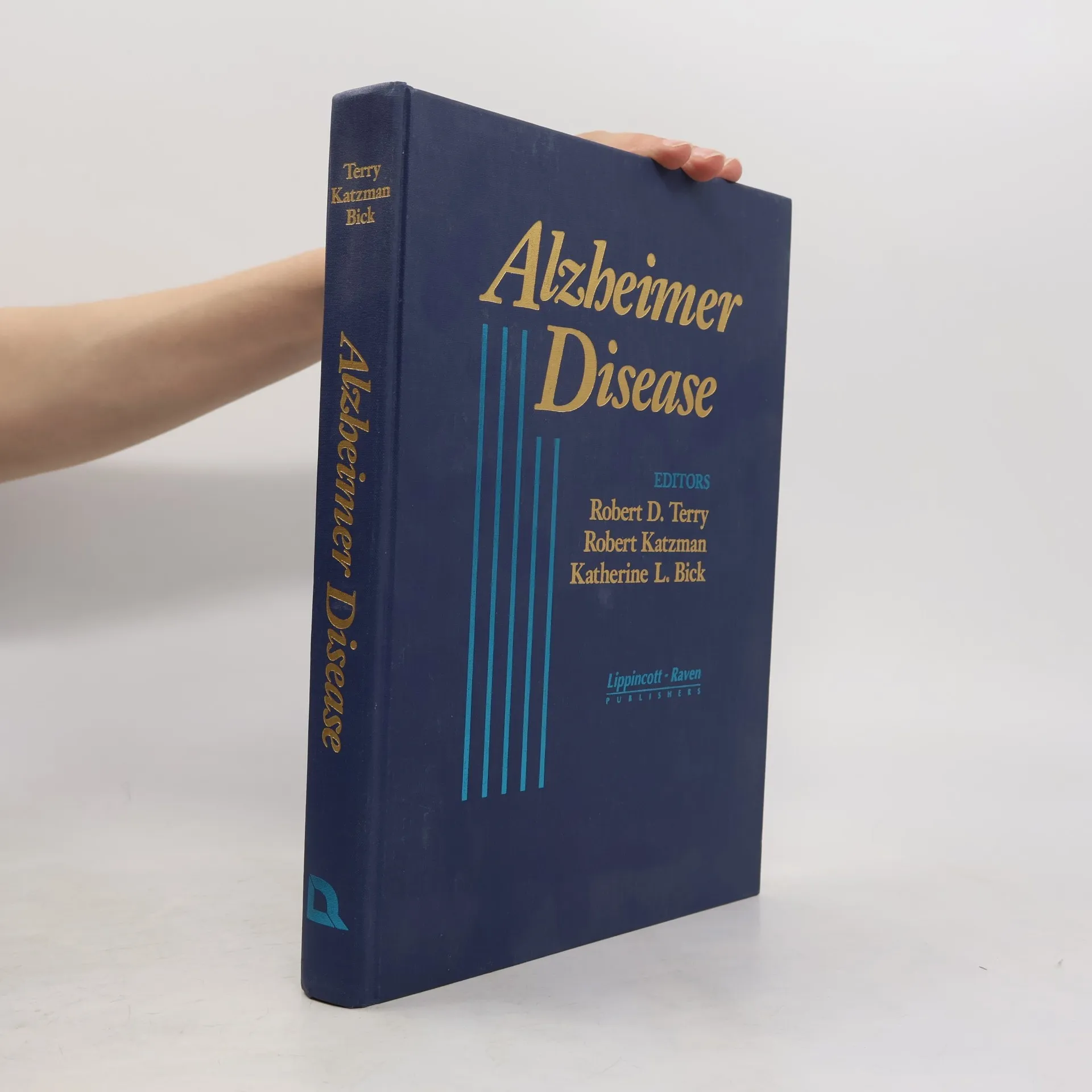
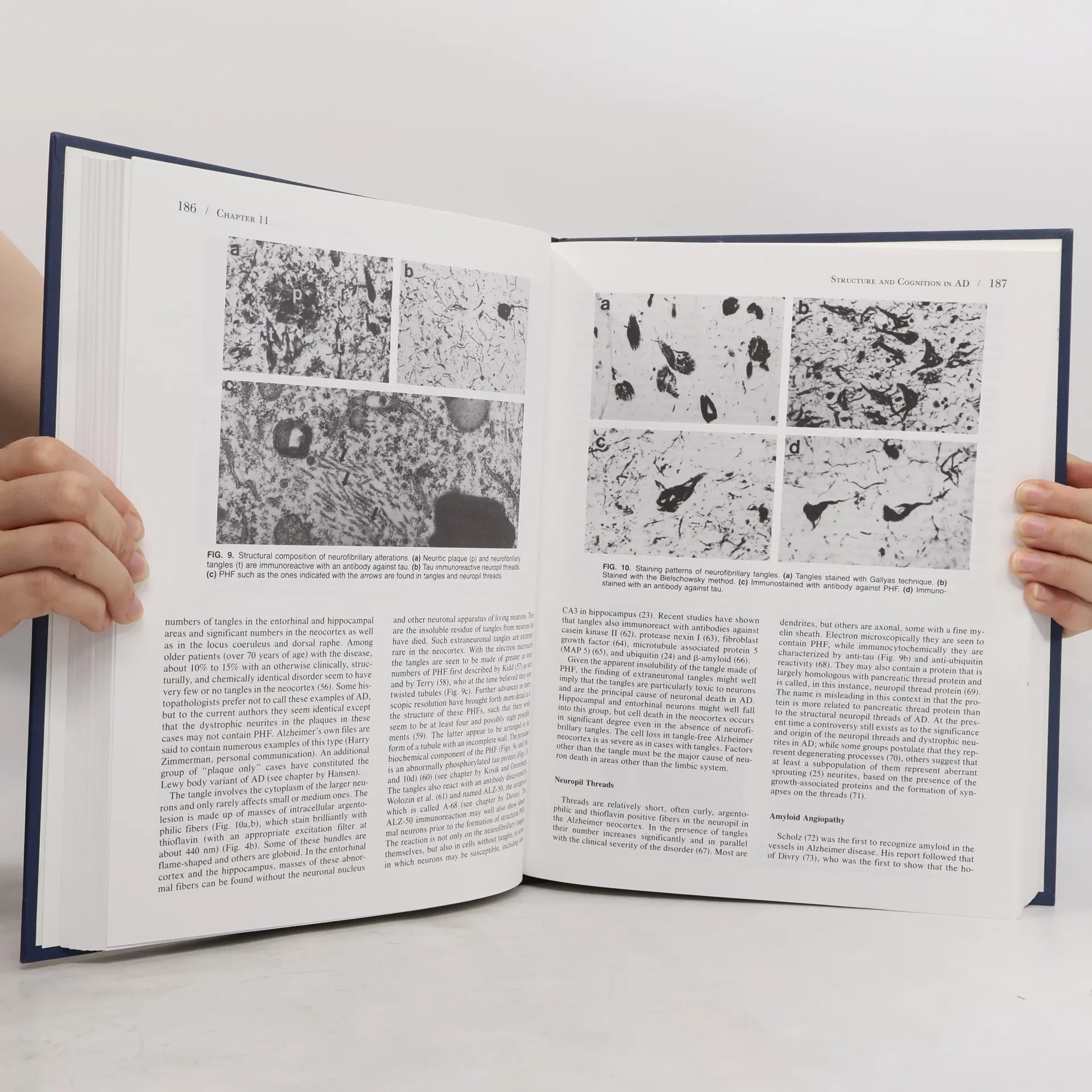
Written by the world's foremost authorities on Alzheimer disease from all relevant basic science fields and clinical specialties, this landmark volume is the definitive reference on Alzheimer disease (AD). The book provides an in-depth review of current concepts on every aspect of AD--from its molecular and cellular bases to its inheritance patterns, signs and symptoms, associated anatomic and biochemical pathologies, diagnosis, and therapy. Coverage includes diagnostic criteria, neuropsychology, clinical genetics, epidemiology, and MRI, CT, and PET imaging. Noted investigators discuss current theories on the cell types vulnerable to damage in AD; the underlying alterations in neurotransmitters, neuropeptides, neurotrophic factors, receptors, and signal transduction mechanisms; the protein constituents of the neuritic plaques and neurofibrillary tangles; the molecular genetics of AD; and the role of trace elements in its pathogenesis. The book concludes with timely reviews of clinical trials and experimental therapeutics.
Book purchase
Alzheimer Disease, Robert D. Terry, Robert Katzman, Katherine L. Bick
- Language

- Released
- 1993
- Binding
- (Hardcover),
- Book condition
- Damaged
- Price
- €10.72
Payment methods
No one has rated yet.
- Title
- Alzheimer Disease
- Language
- English
- Publisher
- Raven Press
- Released
- 1993
- Format
- Hardcover
- Pages
- 472
- ISBN10
- 0781700817
- ISBN13
- 9780781700818
- Series
- Description
- Written by the world's foremost authorities on Alzheimer disease from all relevant basic science fields and clinical specialties, this landmark volume is the definitive reference on Alzheimer disease (AD). The book provides an in-depth review of current concepts on every aspect of AD--from its molecular and cellular bases to its inheritance patterns, signs and symptoms, associated anatomic and biochemical pathologies, diagnosis, and therapy. Coverage includes diagnostic criteria, neuropsychology, clinical genetics, epidemiology, and MRI, CT, and PET imaging. Noted investigators discuss current theories on the cell types vulnerable to damage in AD; the underlying alterations in neurotransmitters, neuropeptides, neurotrophic factors, receptors, and signal transduction mechanisms; the protein constituents of the neuritic plaques and neurofibrillary tangles; the molecular genetics of AD; and the role of trace elements in its pathogenesis. The book concludes with timely reviews of clinical trials and experimental therapeutics.