


More about the book
This work explores the intricate mechanisms of hormonal action at the cellular level, focusing on androgen withdrawal therapies and their effects on human testis tissue. It discusses the target-cell responses to androgen withdrawal and highlights the significance of animal models, particularly the nude mice model, in studying human prostatic carcinoma. The etiology and natural history of early prostatic cancer are examined, alongside the pharmacological basis for androgen deprivation using various antiandrogens in combination with LH-RH agonists. In the clinical section, the evaluation of different endocrine approaches for treating prostatic carcinoma is presented, along with the rationale for total androgen blockade using cyproterone acetate. Clinical experiences with Androcur® and the tolerance of various endocrine regimens are discussed, providing insights into long-term treatment outcomes with cyproterone acetate in advanced cases. Current trends in androgen ablation therapy in the USA are reviewed, alongside long-term results of LH-RH agonist monotherapy in prostate carcinoma patients. This comprehensive examination includes contributions from various experts in the field, offering a detailed understanding of the complexities involved in prostate cancer treatment.
Book purchase
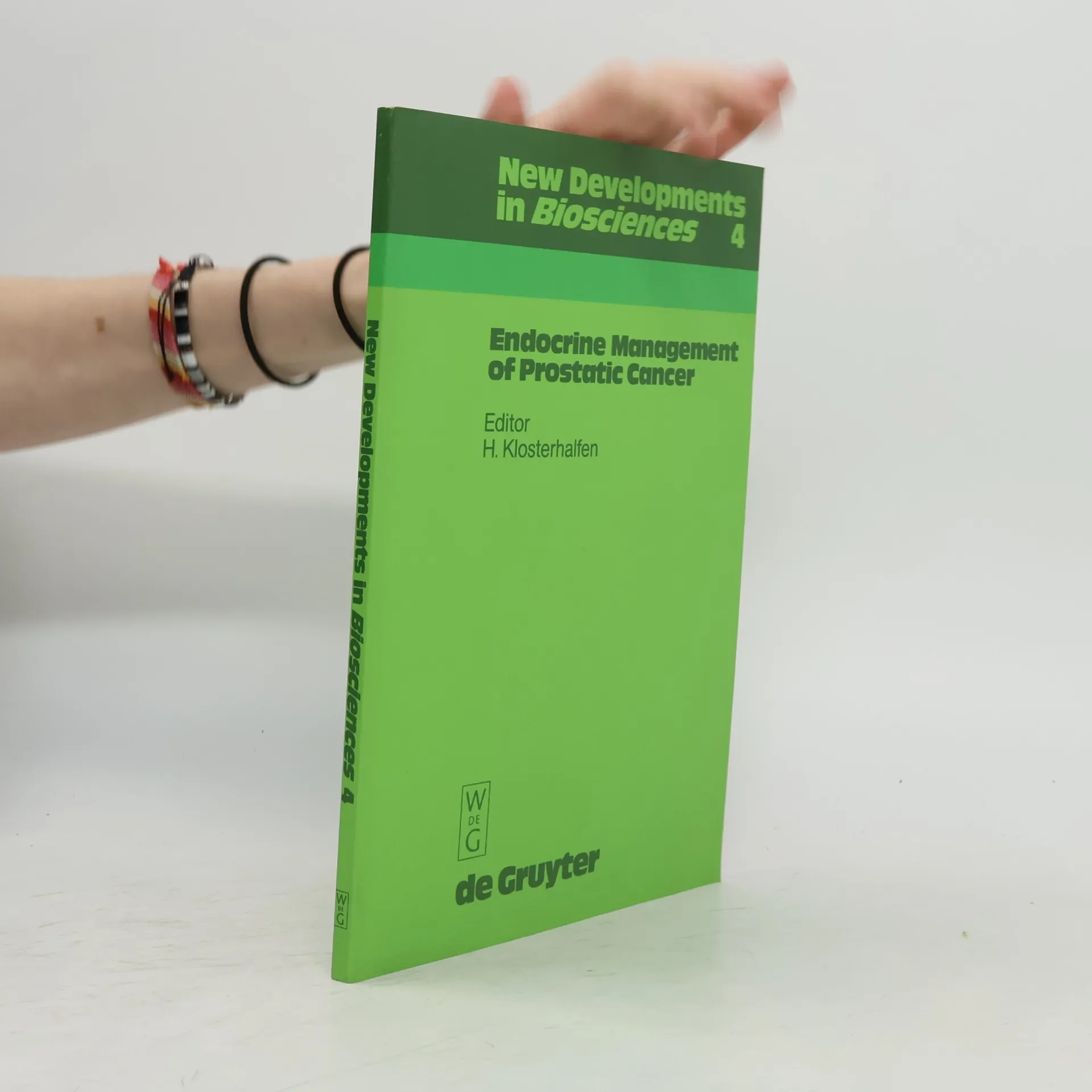
New Developments in Biosciences - 4: Endocrine Management of Prostatic Cancer, Herbert Klosterhalfen
- Language

- Released
- 1988
- Binding
- (Hardcover),
- Book condition
- Good
- Price
- €4.49
Payment methods
No one has rated yet.
- Title
- New Developments in Biosciences - 4: Endocrine Management of Prostatic Cancer
- Language
- English
- Authors
- Herbert Klosterhalfen
- Publisher
- De Gruyter
- Released
- 1988
- Format
- Hardcover
- Pages
- 143
- ISBN10
- 3110115131
- ISBN13
- 9783110115130
- Series
- Description
- This work explores the intricate mechanisms of hormonal action at the cellular level, focusing on androgen withdrawal therapies and their effects on human testis tissue. It discusses the target-cell responses to androgen withdrawal and highlights the significance of animal models, particularly the nude mice model, in studying human prostatic carcinoma. The etiology and natural history of early prostatic cancer are examined, alongside the pharmacological basis for androgen deprivation using various antiandrogens in combination with LH-RH agonists. In the clinical section, the evaluation of different endocrine approaches for treating prostatic carcinoma is presented, along with the rationale for total androgen blockade using cyproterone acetate. Clinical experiences with Androcur® and the tolerance of various endocrine regimens are discussed, providing insights into long-term treatment outcomes with cyproterone acetate in advanced cases. Current trends in androgen ablation therapy in the USA are reviewed, alongside long-term results of LH-RH agonist monotherapy in prostate carcinoma patients. This comprehensive examination includes contributions from various experts in the field, offering a detailed understanding of the complexities involved in prostate cancer treatment.