


More about the book
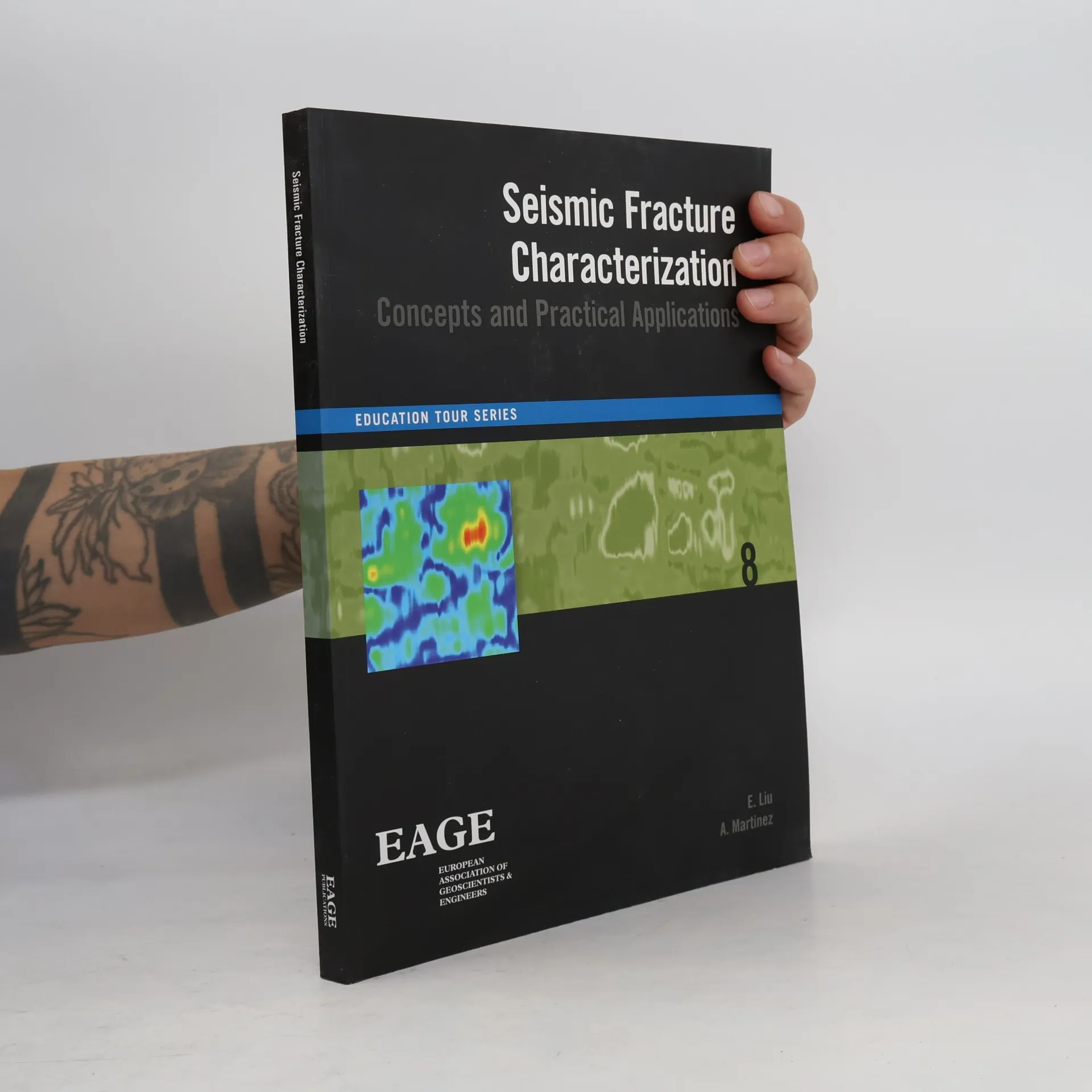
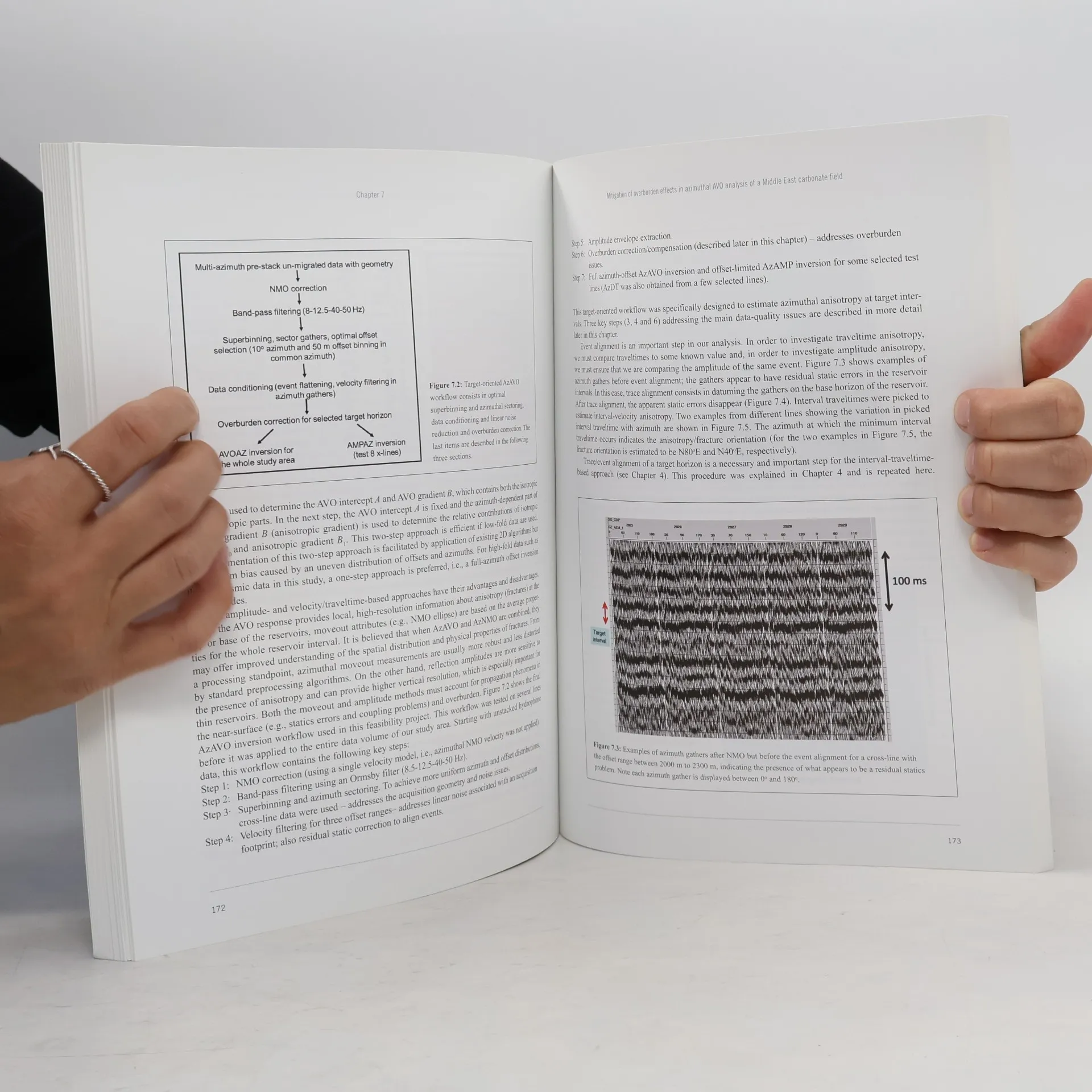
Over the past three decades, seismic anisotropy has transitioned from a niche academic topic to a vital aspect of applied geophysics. It is now widely accepted that the Earth and most hydrocarbon reservoirs exhibit anisotropic properties. With shale comprising 70% of sedimentary basins and fractures present in all reservoirs, the extent of seismic anisotropy is likely greater than previously understood. Incorporating anisotropy into seismic processing enhances image quality, although it complicates the process due to the need for additional parameters. Furthermore, using seismic anisotropy for fracture characterization has proven beneficial for reservoir characterization and management, leading to increased recovery rates and optimized well placements. This resource, along with an associated course, introduces the fundamental concepts of seismic fracture characterization, focusing on seismic anisotropy, equivalent-medium theories of fractured rock, and methodologies for extracting fracture parameters from seismic data. Practical applications are emphasized through extensive field data examples, including case studies that illustrate the technology's applicability, workflow, and limitations. Additionally, it features physical laboratory 3D experiments with known fracture distributions, highlighting fractured carbonate and tight gas reservoirs, and builds discrete fracture network models that ensure geological, geophysical, and
Book purchase
Education Tour Series - 8: Seismic Fracture Characterization, Enru Liu, Alex Martinez
- Language

- Released
- 2012
- Binding
- (Paperback),
- Book condition
- Very Good
- Price
- €55.39
Payment methods
No one has rated yet.
- Title
- Education Tour Series - 8: Seismic Fracture Characterization
- Subtitle
- Concepts and Practical Applications
- Language
- English
- Authors
- Enru Liu, Alex Martinez
- Publisher
- EAGE Publications bv
- Released
- 2012
- Format
- Paperback
- Pages
- 279
- ISBN10
- 9073834406
- ISBN13
- 9789073834408
- Series
- Tags
- Geology
- Description
- Over the past three decades, seismic anisotropy has transitioned from a niche academic topic to a vital aspect of applied geophysics. It is now widely accepted that the Earth and most hydrocarbon reservoirs exhibit anisotropic properties. With shale comprising 70% of sedimentary basins and fractures present in all reservoirs, the extent of seismic anisotropy is likely greater than previously understood. Incorporating anisotropy into seismic processing enhances image quality, although it complicates the process due to the need for additional parameters. Furthermore, using seismic anisotropy for fracture characterization has proven beneficial for reservoir characterization and management, leading to increased recovery rates and optimized well placements. This resource, along with an associated course, introduces the fundamental concepts of seismic fracture characterization, focusing on seismic anisotropy, equivalent-medium theories of fractured rock, and methodologies for extracting fracture parameters from seismic data. Practical applications are emphasized through extensive field data examples, including case studies that illustrate the technology's applicability, workflow, and limitations. Additionally, it features physical laboratory 3D experiments with known fracture distributions, highlighting fractured carbonate and tight gas reservoirs, and builds discrete fracture network models that ensure geological, geophysical, and