



More about the book
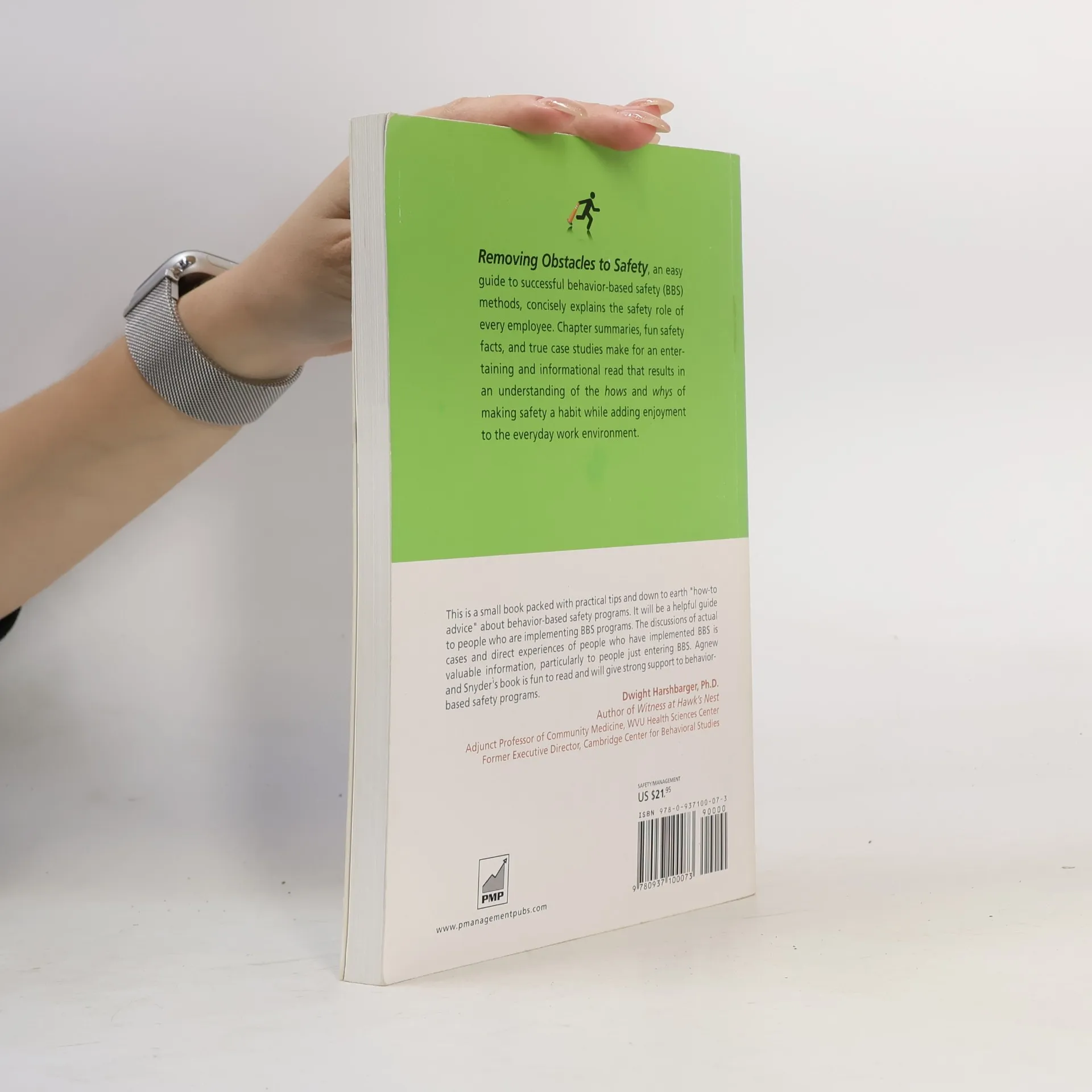
Creating and maintaining a competitive business that prioritizes safety is challenging. While organizations have developed effective practices for safer work environments, integrating behavior as a key component is essential for any successful safety initiative. This resource offers a concise yet comprehensive overview for incorporating behavior-based safety (BBS) into existing safety processes. Relevant to all workforce members, BBS addresses ergonomic, production, and lone worker challenges at every level. Although the focus is on workplace safety, the guide also illustrates how BBS can be applied in everyday situations, emphasizing that accidents can occur outside of work. Many have found value in applying this system at home, where even children can learn to develop safe habits. The revised edition enhances the original with additional chapters that clarify the roles of managers, supervisors, and frontline workers, as well as leadership strategies and industry-specific applications of this proven method. It clearly outlines a scientifically based approach to removing barriers to safe behavior, identifying and eliminating at-risk actions, and effectively promoting safety both at work and at home.
Book purchase
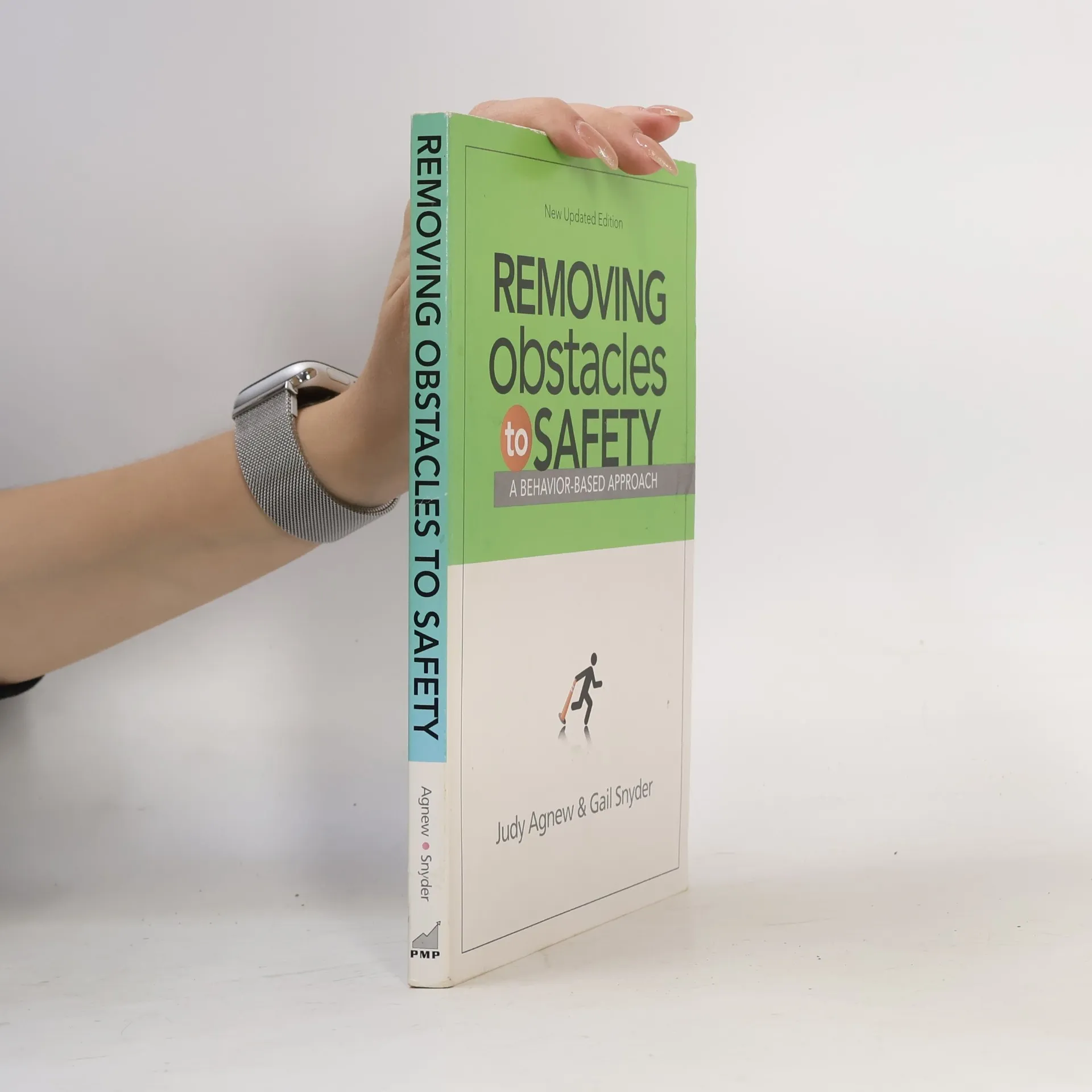
Removing Obstacles to Safety, Judy L. Agnew, Gail Snyder
- Language

- Released
- 2002
- Binding
- (Paperback),
- Book condition
- Damaged
- Price
- €9.08
Payment methods
No one has rated yet.
- Title
- Removing Obstacles to Safety
- Subtitle
- A Behavior-Based Approach
- Language
- English
- Authors
- Judy L. Agnew, Gail Snyder
- Publisher
- Performance Management Publications
- Released
- 2002
- Format
- Paperback
- Pages
- 218
- ISBN10
- 0937100072
- ISBN13
- 9780937100073
- Series
- Description
- Creating and maintaining a competitive business that prioritizes safety is challenging. While organizations have developed effective practices for safer work environments, integrating behavior as a key component is essential for any successful safety initiative. This resource offers a concise yet comprehensive overview for incorporating behavior-based safety (BBS) into existing safety processes. Relevant to all workforce members, BBS addresses ergonomic, production, and lone worker challenges at every level. Although the focus is on workplace safety, the guide also illustrates how BBS can be applied in everyday situations, emphasizing that accidents can occur outside of work. Many have found value in applying this system at home, where even children can learn to develop safe habits. The revised edition enhances the original with additional chapters that clarify the roles of managers, supervisors, and frontline workers, as well as leadership strategies and industry-specific applications of this proven method. It clearly outlines a scientifically based approach to removing barriers to safe behavior, identifying and eliminating at-risk actions, and effectively promoting safety both at work and at home.