

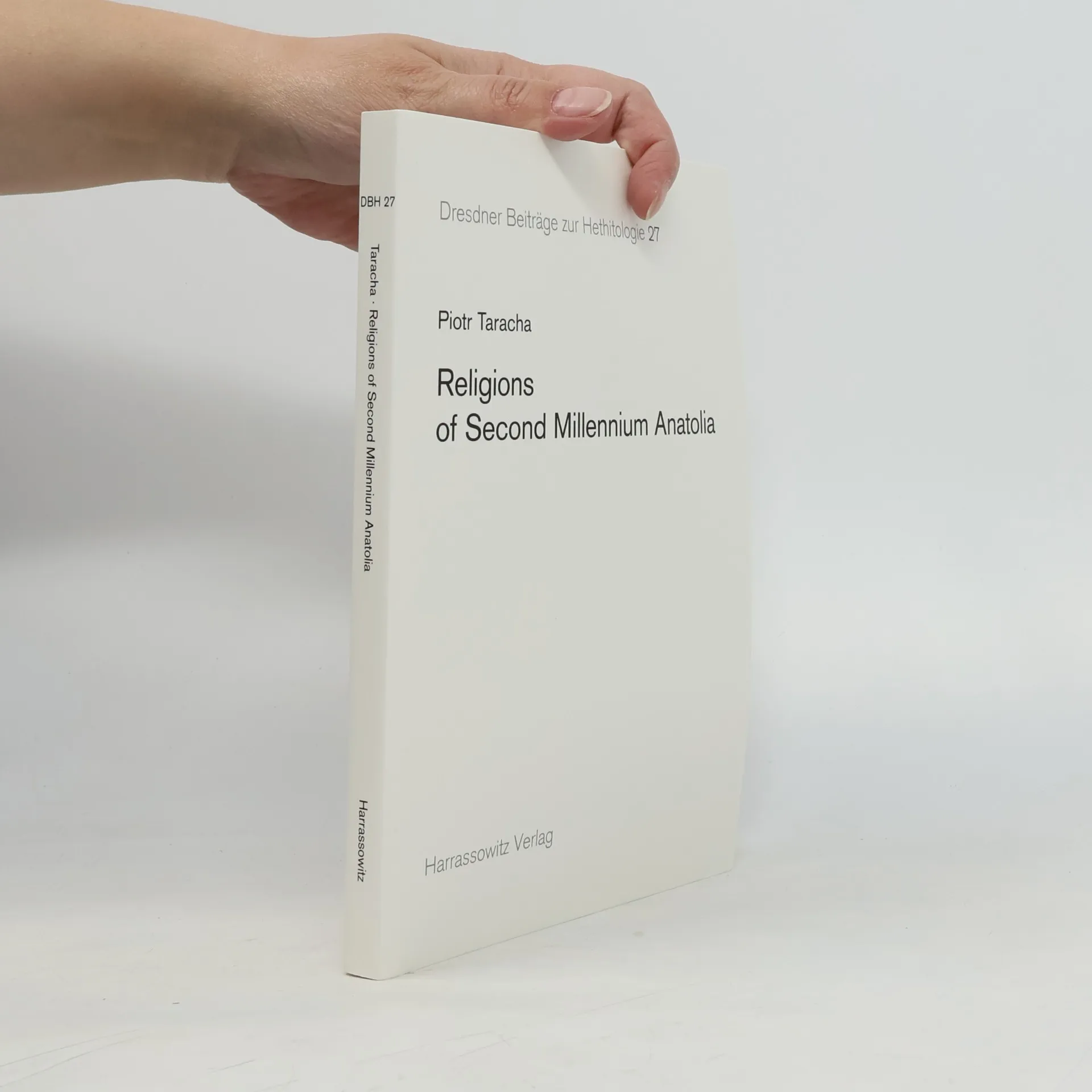
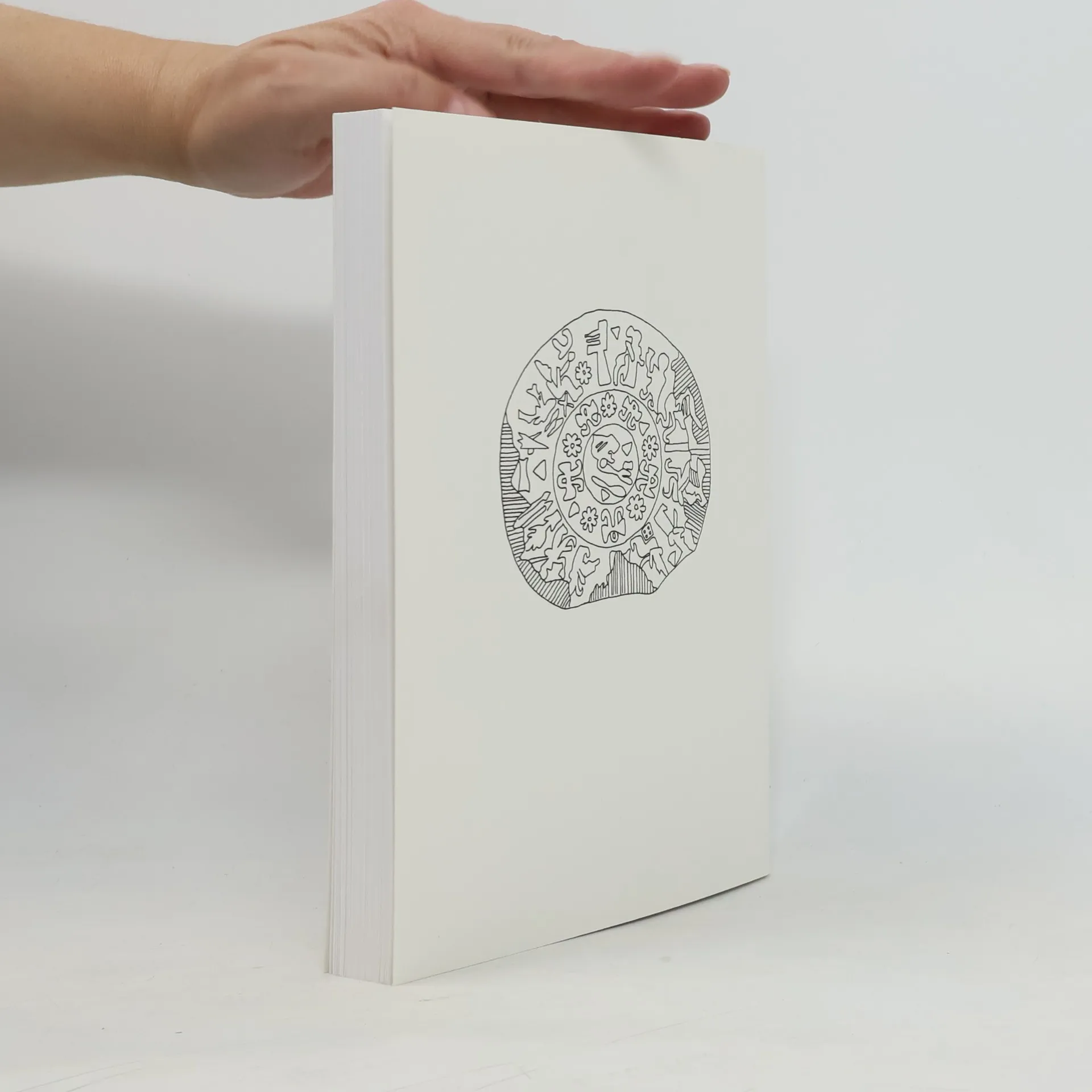

More about the book
This book examines Hittite religion from a historical point of view, stressing two basically different stages in its development. The Old Hittite pantheon of the capital Hattu?a maintains the indigenous religious tradition of the Hattians without any trace of Mesopotamian, Hurrian or Syrian influence, although Hittite and Luwian deities were worshiped in the family and house cults. The Hittite religion of the Empire period has been examined from a new viewpoint. At the time there were two offi cial pantheons in the state and the dynastic cult respectively. The former is an amalgam of Hattian, Hittite, Luwian, Hurrian, Syrian and Mesopotamian deities organized on a geographical principle, whereas the latter is purely Hurrian, refl ecting the religious beliefs of the new royal family of Kizzuwatnan origin that also infl uenced local pantheons of central and northern Anatolia. Through the Hurrians, Mesopotamian and Syrian cults were adopted. Simultaneously, many aspects of the Luwian religious tradition were absorbed into both the state and local cults.
Book purchase
Dresdner Beiträge zur Hethitologie - 27: Religions of Second Millennium Anatolia, Piotr Taracha
- Language

- Released
- 2009
- Binding
- (Paperback),
- Book condition
- Good
- Price
- €83.99
Payment methods
No one has rated yet.
- Title
- Dresdner Beiträge zur Hethitologie - 27: Religions of Second Millennium Anatolia
- Language
- English
- Authors
- Piotr Taracha
- Publisher
- Harrassowitz
- Released
- 2009
- Format
- Paperback
- Pages
- 232
- ISBN10
- 3447058854
- ISBN13
- 9783447058858
- Series
- Description
- This book examines Hittite religion from a historical point of view, stressing two basically different stages in its development. The Old Hittite pantheon of the capital Hattu?a maintains the indigenous religious tradition of the Hattians without any trace of Mesopotamian, Hurrian or Syrian influence, although Hittite and Luwian deities were worshiped in the family and house cults. The Hittite religion of the Empire period has been examined from a new viewpoint. At the time there were two offi cial pantheons in the state and the dynastic cult respectively. The former is an amalgam of Hattian, Hittite, Luwian, Hurrian, Syrian and Mesopotamian deities organized on a geographical principle, whereas the latter is purely Hurrian, refl ecting the religious beliefs of the new royal family of Kizzuwatnan origin that also infl uenced local pantheons of central and northern Anatolia. Through the Hurrians, Mesopotamian and Syrian cults were adopted. Simultaneously, many aspects of the Luwian religious tradition were absorbed into both the state and local cults.