


More about the book
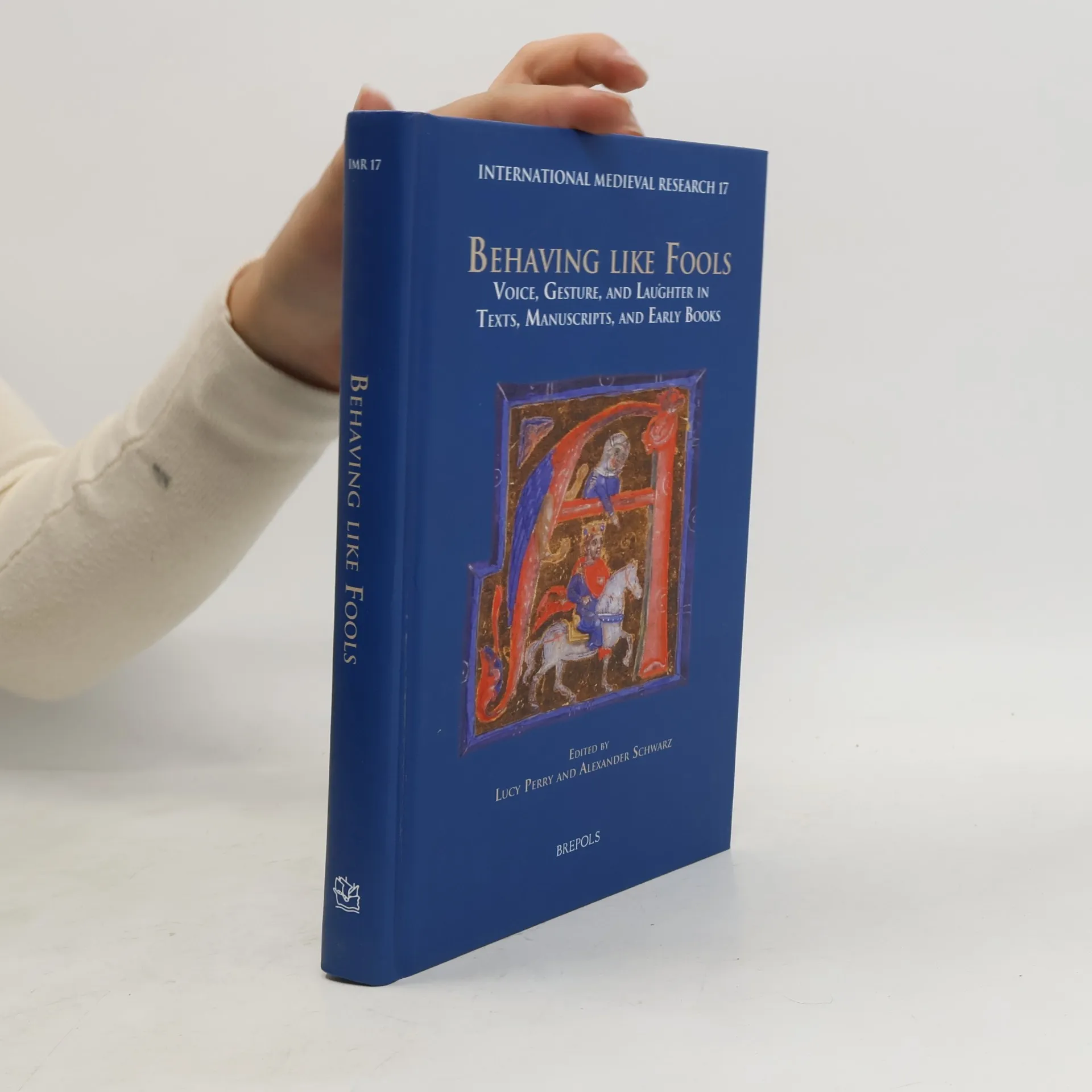
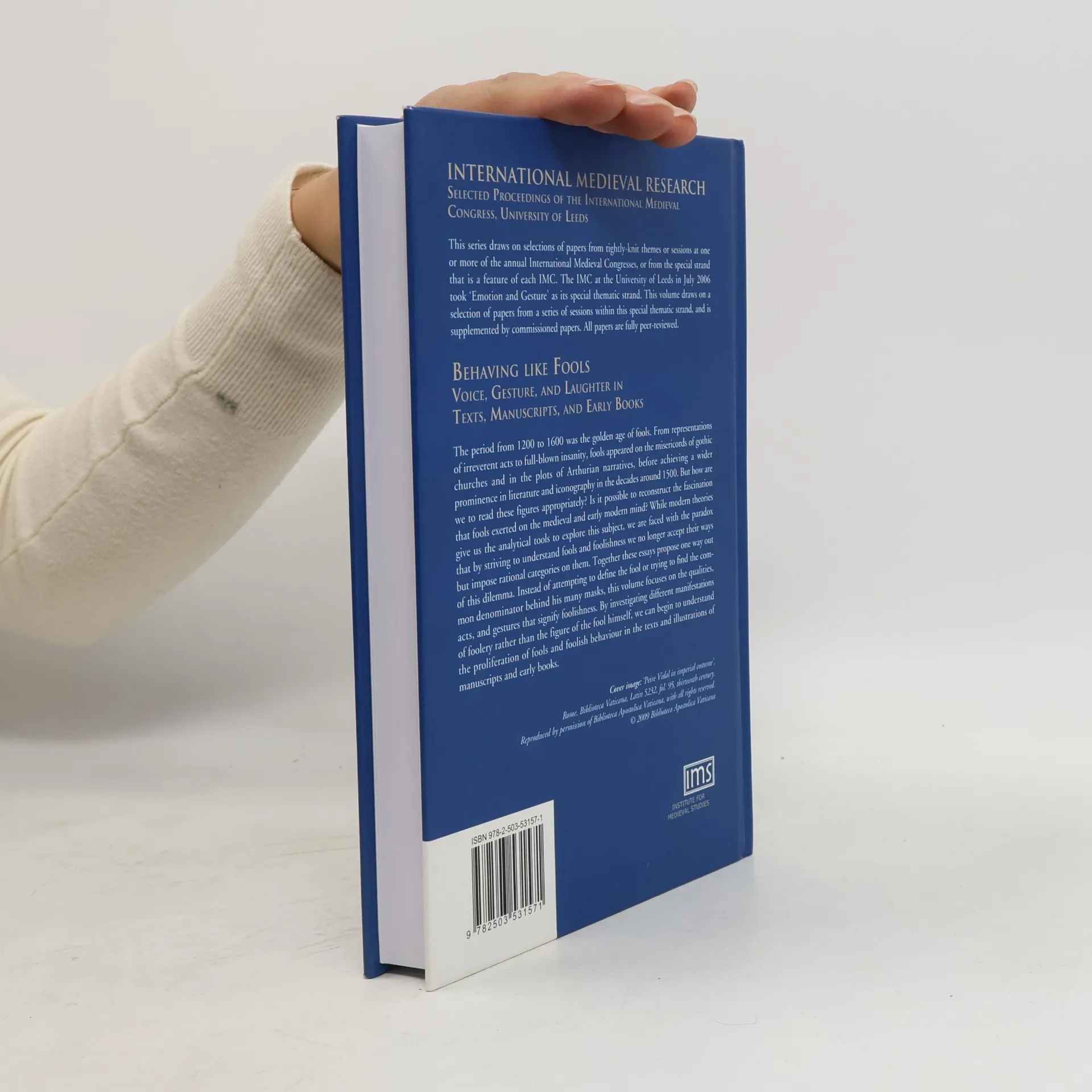
This collection of essays brings together the most up-to-date work on the subject of fools and foolishness in English, Dutch, French, and German literature, art, and society from 1200 to 1600, providing a refreshing approach to the well-known subject of foolery. The period from 1200 to 1600 was the golden age of fools. From representations of irreverent acts to full-blown insanity, fools appeared on the misericords of gothic churches and in the plots of Arthurian narratives, before achieving a wider prominence in literature and iconography in the decades around 1500. But how are we to read these figures appropriately? Is it possible to reconstruct the fascination that fools exerted on the medieval and early modern mind? While modern theories give us the analytical tools to explore this subject, we are faced with the paradox that by striving to understand fools and foolishness we no longer accept their ways but impose rational categories on them. Together these essays propose one way out of this dilemma. Instead of attempting to define the fool or trying to find the common denominator behind his many masks, this volume focuses on the qualities, acts, and gestures that signify foolishness. By investigating different manifestations of foolery rather than the figure of the fool himself, we can begin to understand the proliferation of fools and foolish behaviour in the texts and illustrations of manuscripts and early books.
Book purchase
International Medieval Research - 17: Behaving Like Fools, Lucy Perry, Alexander Schwarz
- Language

- Released
- 2010
- Binding
- (Hardcover),
- Book condition
- Good
- Price
- €86.99
Payment methods
No one has rated yet.
- Title
- International Medieval Research - 17: Behaving Like Fools
- Subtitle
- Voice, Gesture, and Laughter in Texts, Manuscripts, and Early Books
- Language
- English
- Authors
- Lucy Perry, Alexander Schwarz
- Publisher
- Brepols
- Released
- 2010
- Format
- Hardcover
- Pages
- 301
- ISBN10
- 2503531571
- ISBN13
- 9782503531571
- Series
- Tags
- Historical Themes, Psychological Topics, Art, Middle Ages, Literary Criticism, Western Europe, Renaissance
- Description
- This collection of essays brings together the most up-to-date work on the subject of fools and foolishness in English, Dutch, French, and German literature, art, and society from 1200 to 1600, providing a refreshing approach to the well-known subject of foolery. The period from 1200 to 1600 was the golden age of fools. From representations of irreverent acts to full-blown insanity, fools appeared on the misericords of gothic churches and in the plots of Arthurian narratives, before achieving a wider prominence in literature and iconography in the decades around 1500. But how are we to read these figures appropriately? Is it possible to reconstruct the fascination that fools exerted on the medieval and early modern mind? While modern theories give us the analytical tools to explore this subject, we are faced with the paradox that by striving to understand fools and foolishness we no longer accept their ways but impose rational categories on them. Together these essays propose one way out of this dilemma. Instead of attempting to define the fool or trying to find the common denominator behind his many masks, this volume focuses on the qualities, acts, and gestures that signify foolishness. By investigating different manifestations of foolery rather than the figure of the fool himself, we can begin to understand the proliferation of fools and foolish behaviour in the texts and illustrations of manuscripts and early books.