

More about the book
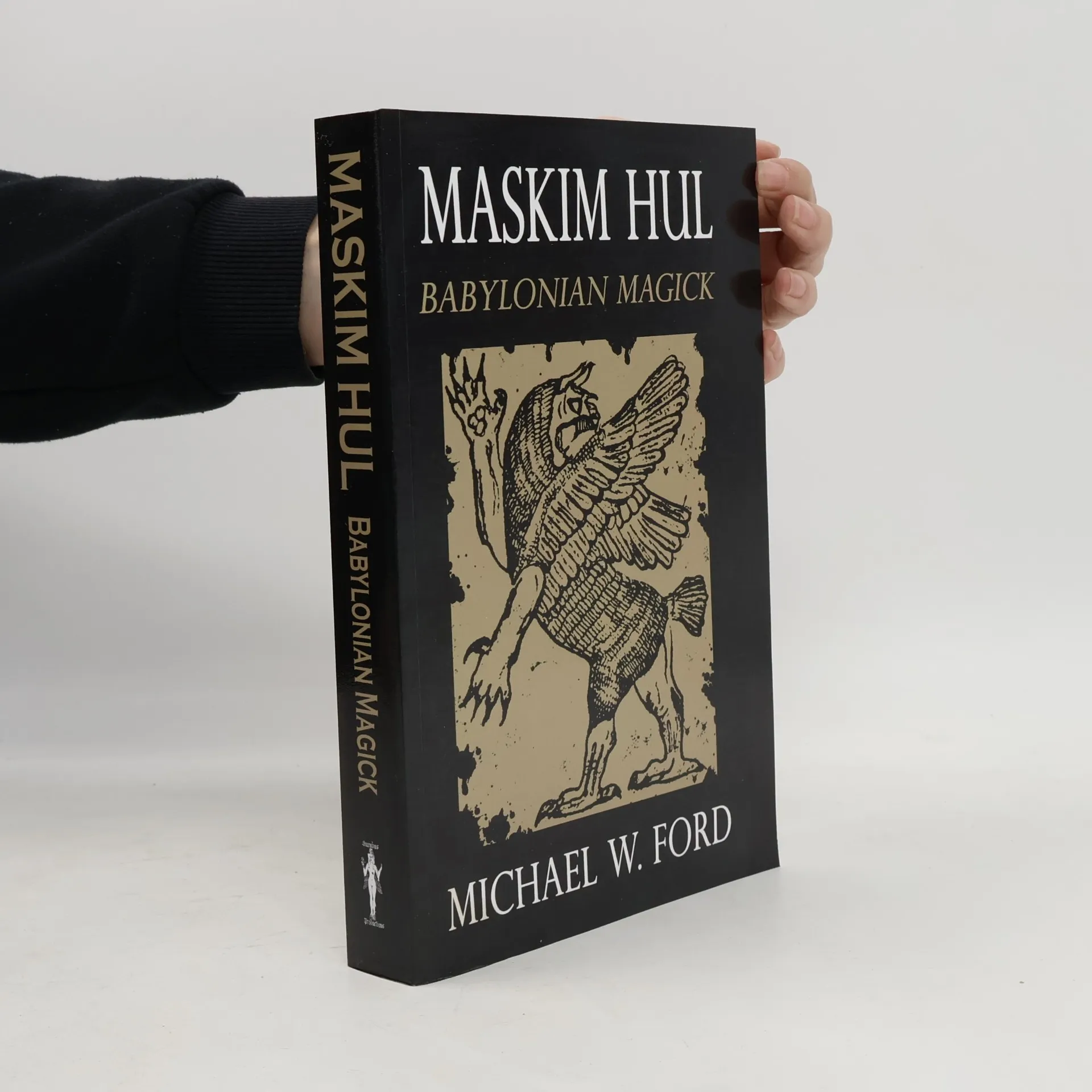
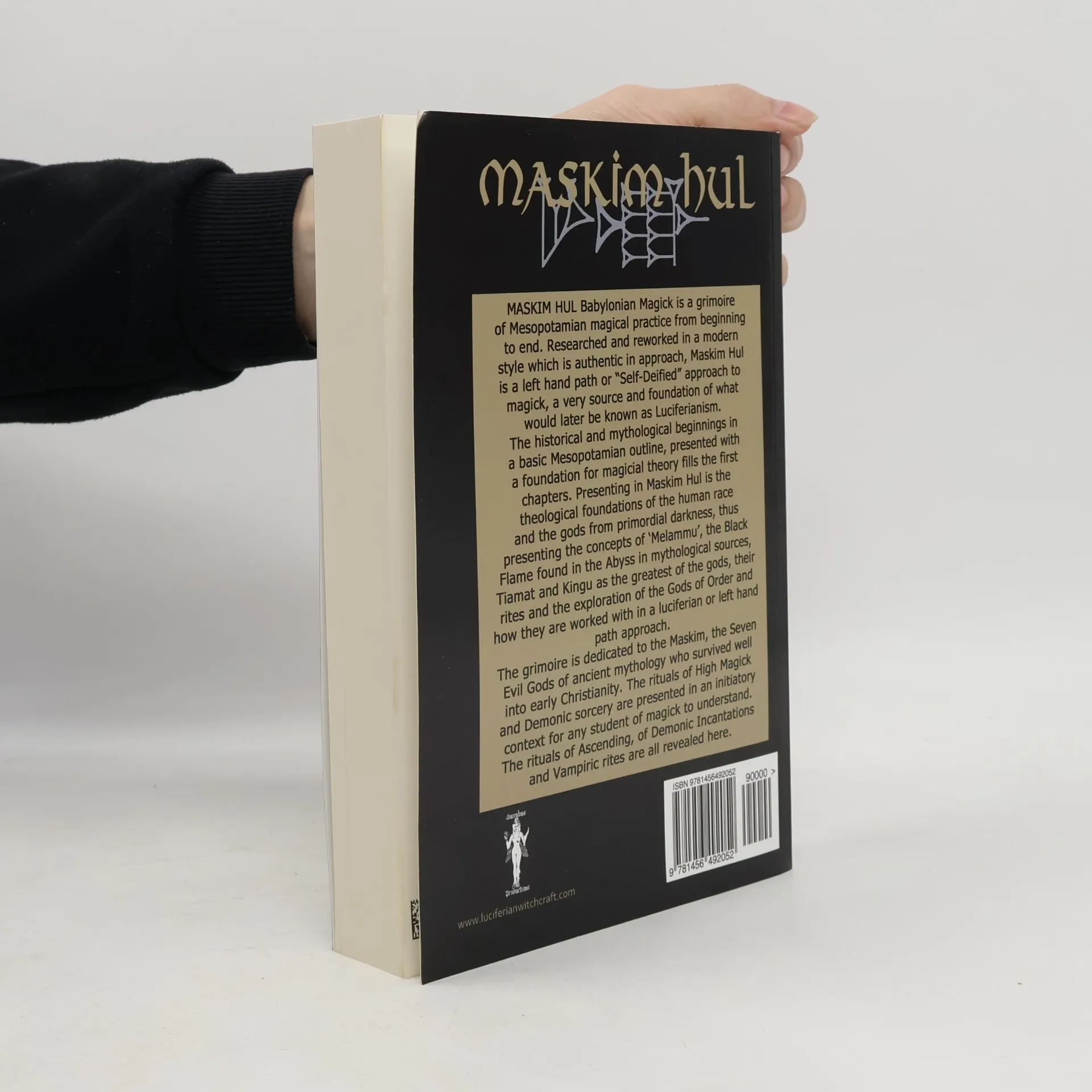
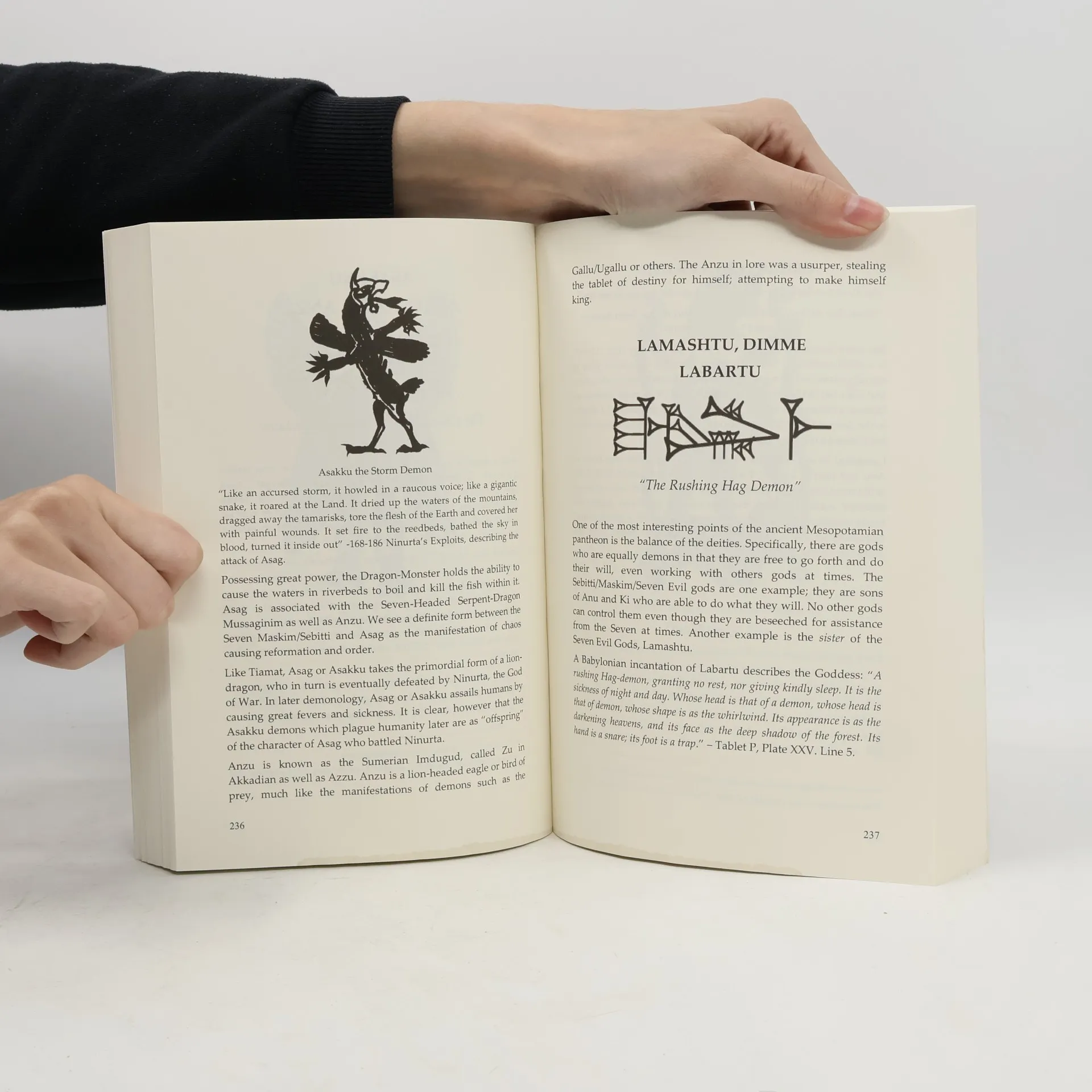
The Mesopotamian Gods and Demons are revitalized for contemporary Luciferian ideology as defined by Michael W. Ford. This grimoire focuses on Tiamat-centered magick, sorcery, and necromancy, drawing from authentic Mesopotamian clay tablets and ancient Temple-Cult records. It delves into the cultures of ancient Mesopotamia and their theological foundations, exploring the Babylonian cosmic structure and the Enuma Elish through a modern lens. Key figures such as Tiamat, Kingu, and the 11 Chaos-Monsters are examined, highlighting their roles within the pantheon of Marduk, Ea, and other deities. The text presents the gods, demons, and evil spirits of Mesopotamia, accompanied by Cuneiform sigils and their applications in sorcery. Extensive invocations, hymns, and the Kassapu-practice of ancient Babylon are provided concisely. The grimoire is dedicated to the Seven Sebitti, or Maskim, the "Seven Evil Gods," alongside Lamashtu and Lilith, featuring numerous rituals and names for invocation. The Serpent Gods of fertility, including Ishtar as a form of Tiamat, are discussed, along with rites of necromancy and the Black Flame (Melammu), representing Tiamat-Darkness upheld by Nergal. This work defines modern magical practice and the theology of spiritual rebellion known as Luciferianism.
Book purchase
Maskim Hul - Babylonian Magick, Michael W. Ford
- Language

- Released
- 2010
- Binding
- (Paperback),
- Book condition
- Damaged
- Price
- €20.49
Payment methods
No one has rated yet.
- Title
- Maskim Hul - Babylonian Magick
- Language
- English
- Authors
- Michael W. Ford
- Released
- 2010
- Format
- Paperback
- Pages
- 468
- ISBN10
- 1456492055
- ISBN13
- 9781456492052
- Series
- Categories
- Tags
- Mind and Body, Occultism, New Age
- Description
- The Mesopotamian Gods and Demons are revitalized for contemporary Luciferian ideology as defined by Michael W. Ford. This grimoire focuses on Tiamat-centered magick, sorcery, and necromancy, drawing from authentic Mesopotamian clay tablets and ancient Temple-Cult records. It delves into the cultures of ancient Mesopotamia and their theological foundations, exploring the Babylonian cosmic structure and the Enuma Elish through a modern lens. Key figures such as Tiamat, Kingu, and the 11 Chaos-Monsters are examined, highlighting their roles within the pantheon of Marduk, Ea, and other deities. The text presents the gods, demons, and evil spirits of Mesopotamia, accompanied by Cuneiform sigils and their applications in sorcery. Extensive invocations, hymns, and the Kassapu-practice of ancient Babylon are provided concisely. The grimoire is dedicated to the Seven Sebitti, or Maskim, the "Seven Evil Gods," alongside Lamashtu and Lilith, featuring numerous rituals and names for invocation. The Serpent Gods of fertility, including Ishtar as a form of Tiamat, are discussed, along with rites of necromancy and the Black Flame (Melammu), representing Tiamat-Darkness upheld by Nergal. This work defines modern magical practice and the theology of spiritual rebellion known as Luciferianism.