

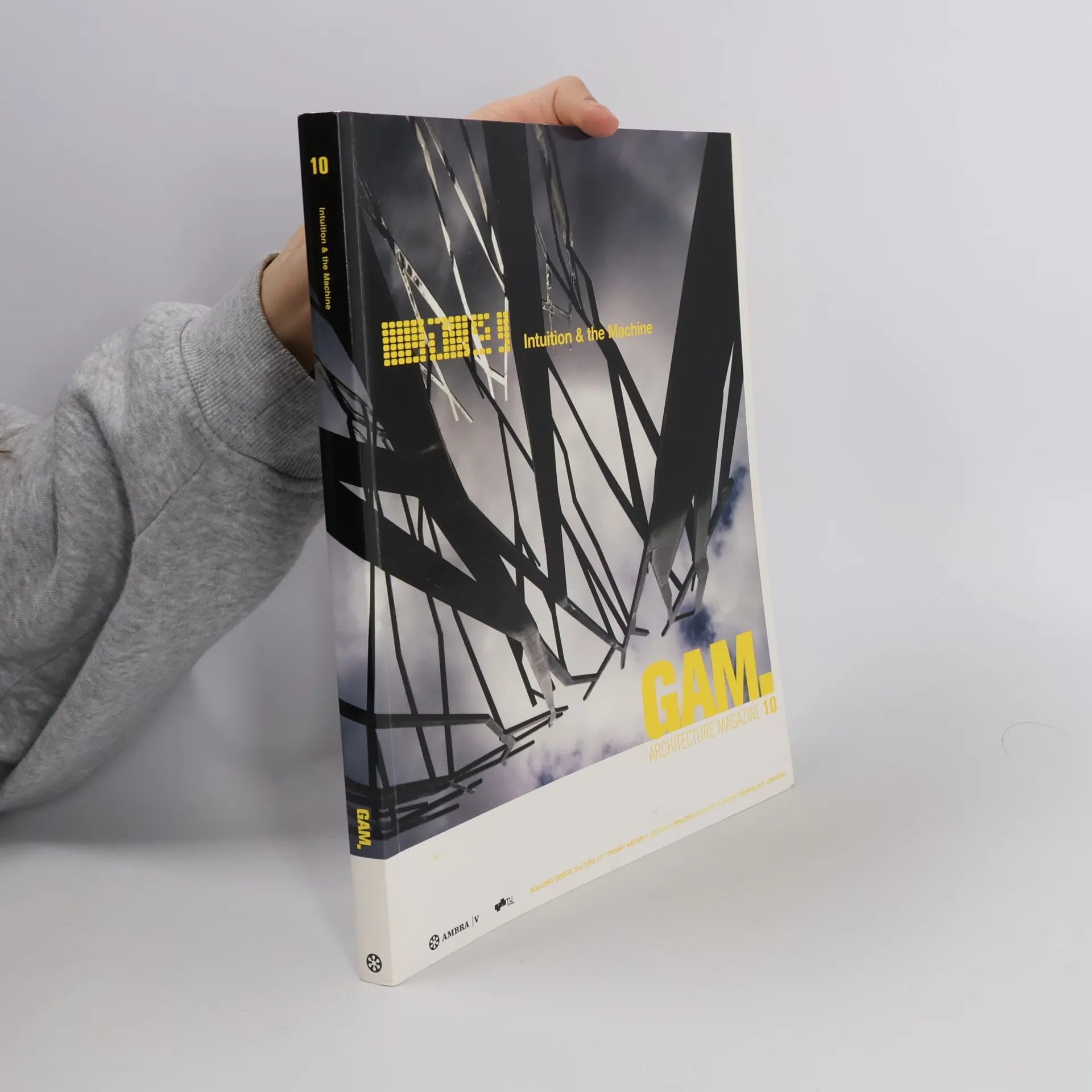
More about the book
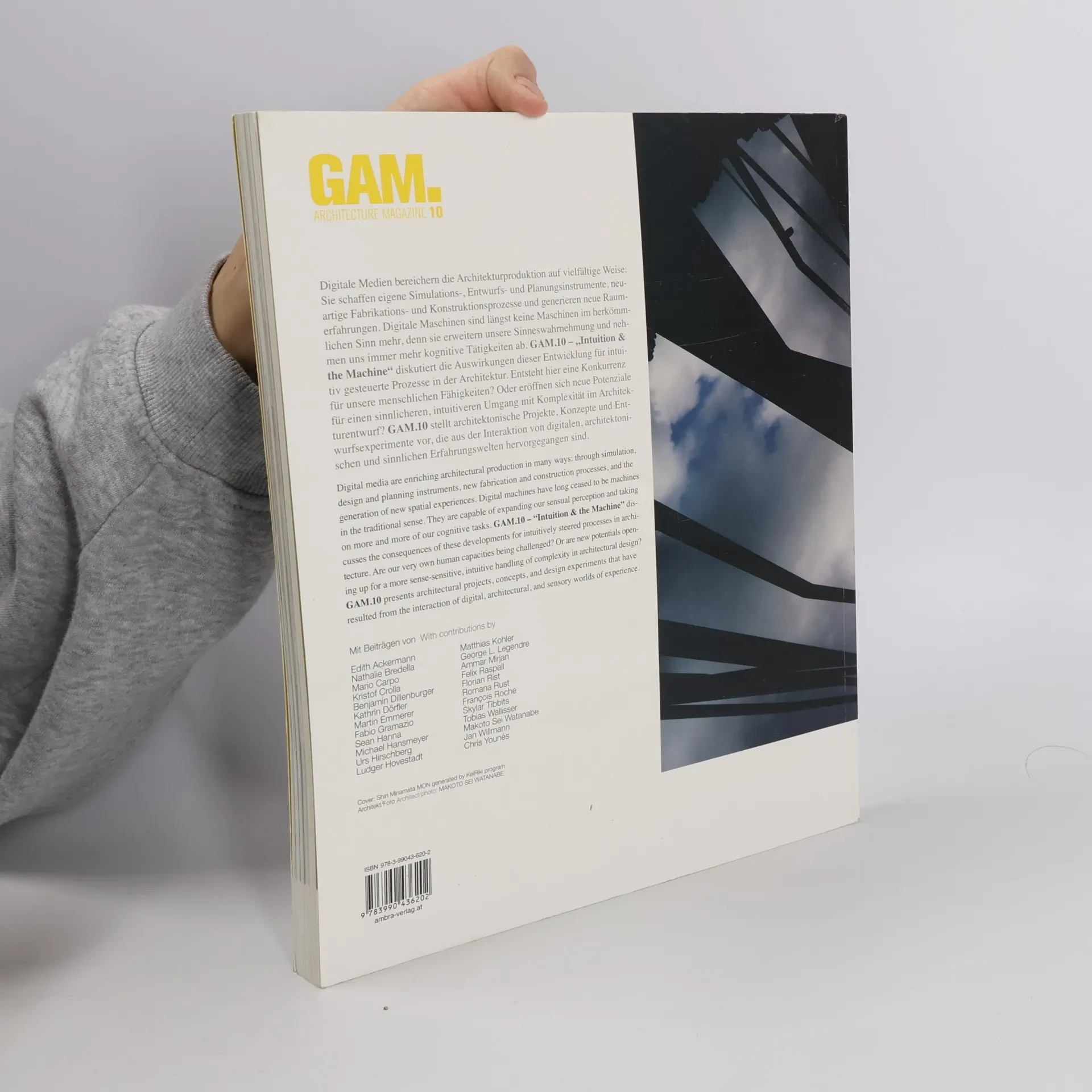
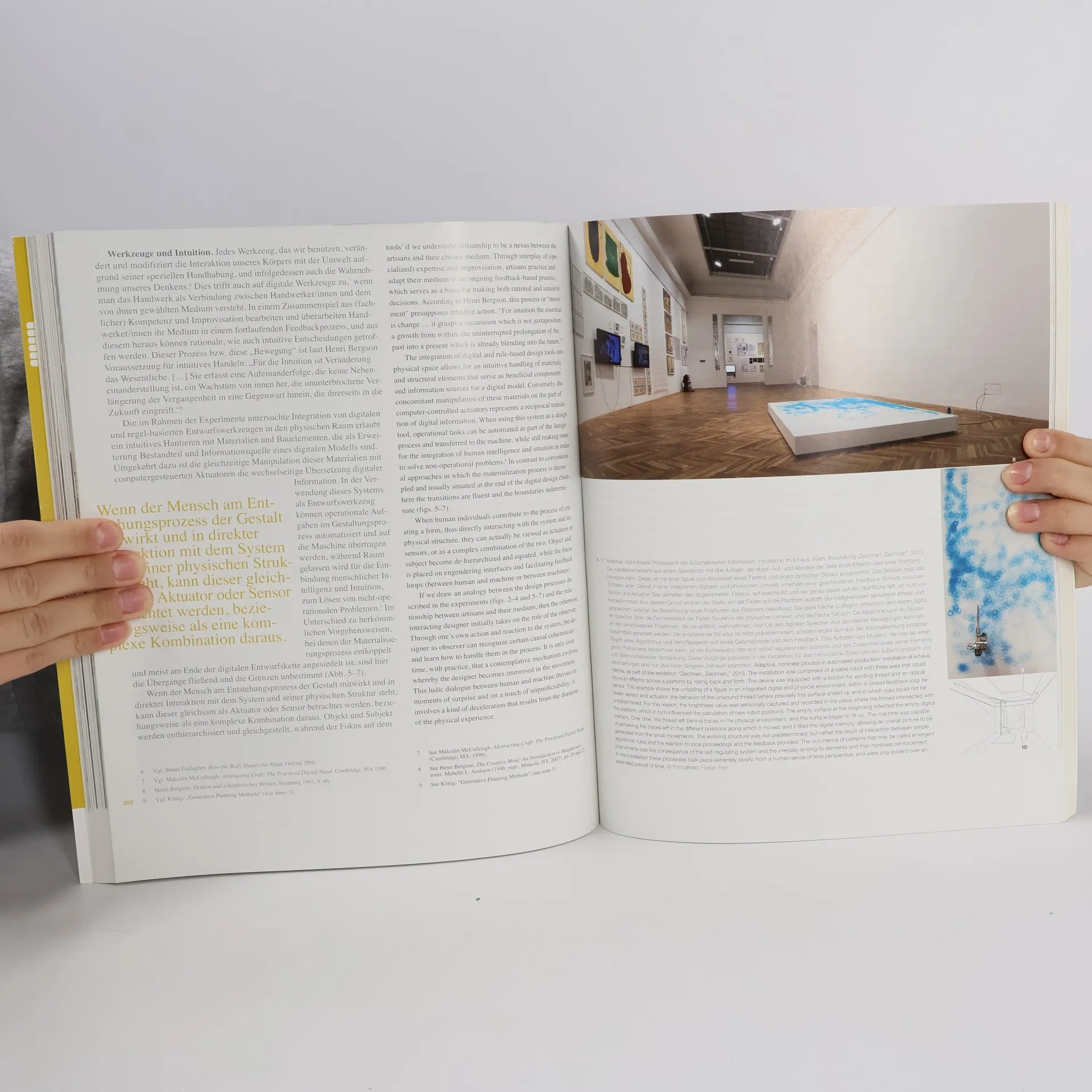
Digital media have enriched architectural production in many ways. They have created their own separate array of simulation, design and planning instruments, new fabrication and construction processes and generate new spatial experiences. This expansion of our sensual perception and its effects on our physicality and intuitively steered processes are the matter of extensive discussion in architecture when it comes to designing the surroundings of our lives in the future. In this context it becomes clear that human intuition is once again gaining importance as the counterpart to rational processes. What should we think of this tendency? Does it create the potential for a more sensual and intuitive handling of complexity in architectural design? Or is it this endorsement of intuition a flight from media technology as it continues its advance into more and more aspects of our lives? The authors of GAM.10 focus on the new forms of interaction between digital and architectural worlds of knowledge and experiences.
Book purchase
Graz Architecture Magazine - 10: Intuition & the Machine, Technische Universität Graz
- Language

- Released
- 2014
- Binding
- (Paperback),
- Book condition
- Good
- Price
- €19.49
Payment methods
No one has rated yet.
- Title
- Graz Architecture Magazine - 10: Intuition & the Machine
- Language
- English
- Authors
- Technische Universität Graz
- Publisher
- Ambra Verlag
- Released
- 2014
- Format
- Paperback
- Pages
- 344
- ISBN10
- 3990436201
- ISBN13
- 9783990436202
- Series
- Categories
- Tags
- Historical Themes, Art, Architecture, Collected Works, Scientific Theories, Magazine, History of Architecture, Intuition, Digital Media, Theory of Architecture
- Description
- Digital media have enriched architectural production in many ways. They have created their own separate array of simulation, design and planning instruments, new fabrication and construction processes and generate new spatial experiences. This expansion of our sensual perception and its effects on our physicality and intuitively steered processes are the matter of extensive discussion in architecture when it comes to designing the surroundings of our lives in the future. In this context it becomes clear that human intuition is once again gaining importance as the counterpart to rational processes. What should we think of this tendency? Does it create the potential for a more sensual and intuitive handling of complexity in architectural design? Or is it this endorsement of intuition a flight from media technology as it continues its advance into more and more aspects of our lives? The authors of GAM.10 focus on the new forms of interaction between digital and architectural worlds of knowledge and experiences.