

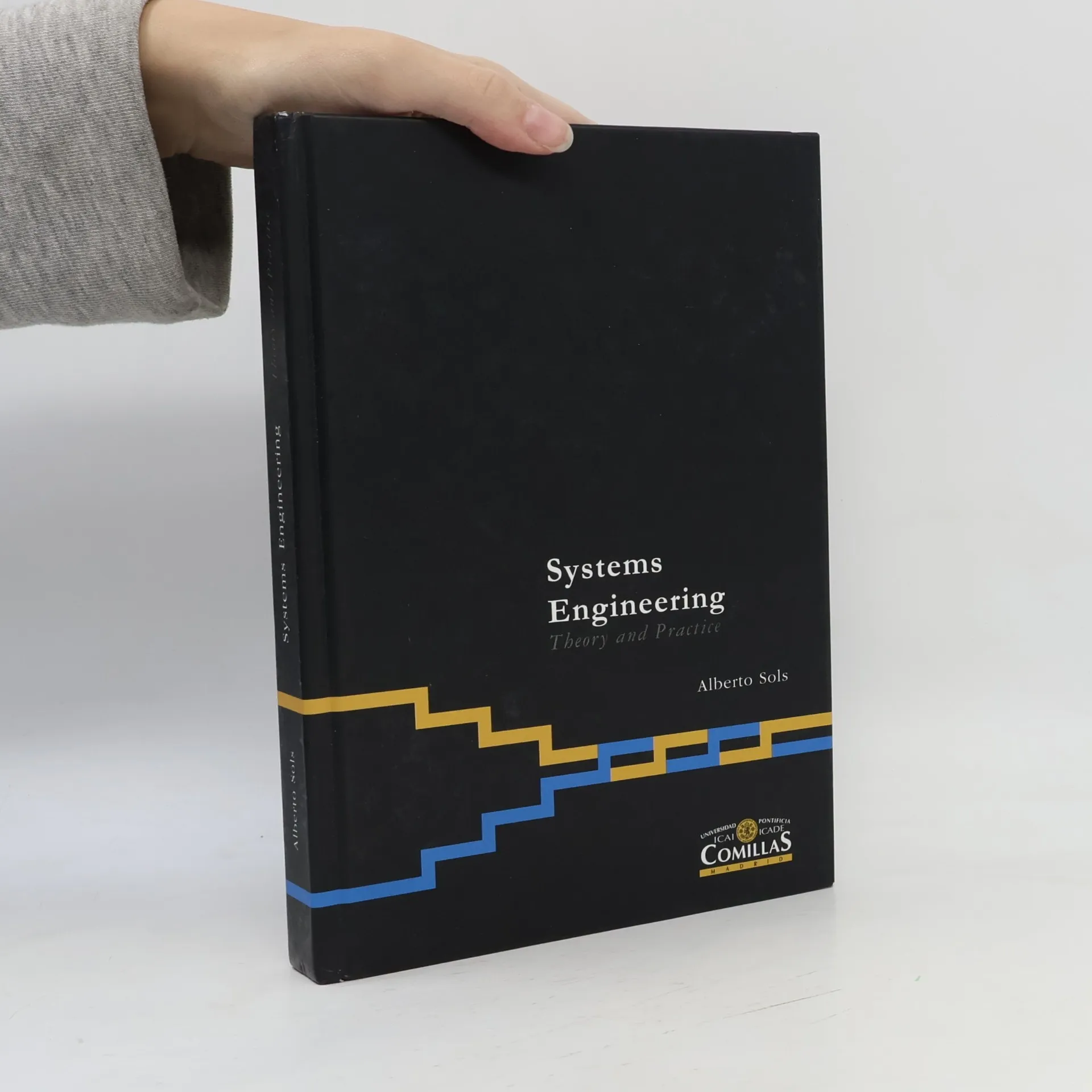



More about the book
This book is structured around the systems engineering framework, the backbone of the systems approach. It goes from the identification of a need or opportunity to the disposal, at the end of its operational life, of the system designed to deliver the needed or expected capabilities. A number of things in this book differ from the majority of the textbooks available on systems engineering. First of all, the relationships between science and engineering are shown, and the origins of systems engineering are summarized. Second, there is a differentiation between the systems approach and how it is implemented; this difference between the what and the how is addressed in detail. The steps of the systems engineering framework are described in detail and in their natural order to better facilitate their understanding. Fourth, the operational life of the system is addressed, together with the main strategies that can be implemented to bridge the capabilities gap that all systems exhibit in it. Fifth, the book explains what federations of systems and systems of systems are, and to what extent and how the systems engineering framework is to be modified. Systems engineering is about engineered systems, or human-made artifacts, and it is applicable to all industrial sectors. This book is aimed at helping practitioners get a better understanding of the concept of systems approach to engineering systems and on how to actually implement it.
Book purchase
Systems Engineering, Alberto Sols Rodríguez-Candela
- Language

- Released
- 2014
- Binding
- (Hardcover),
- Book condition
- Good
- Price
- €219.40
Payment methods
No one has rated yet.
- Title
- Systems Engineering
- Subtitle
- Theory and Practice
- Language
- English
- Released
- 2014
- Format
- Hardcover
- Pages
- 292
- ISBN10
- 848468539X
- ISBN13
- 9788484685395
- Series
- Categories
- Tags
- Description
- This book is structured around the systems engineering framework, the backbone of the systems approach. It goes from the identification of a need or opportunity to the disposal, at the end of its operational life, of the system designed to deliver the needed or expected capabilities. A number of things in this book differ from the majority of the textbooks available on systems engineering. First of all, the relationships between science and engineering are shown, and the origins of systems engineering are summarized. Second, there is a differentiation between the systems approach and how it is implemented; this difference between the what and the how is addressed in detail. The steps of the systems engineering framework are described in detail and in their natural order to better facilitate their understanding. Fourth, the operational life of the system is addressed, together with the main strategies that can be implemented to bridge the capabilities gap that all systems exhibit in it. Fifth, the book explains what federations of systems and systems of systems are, and to what extent and how the systems engineering framework is to be modified. Systems engineering is about engineered systems, or human-made artifacts, and it is applicable to all industrial sectors. This book is aimed at helping practitioners get a better understanding of the concept of systems approach to engineering systems and on how to actually implement it.