

Mendelssohn and His World
Authors
More about the book
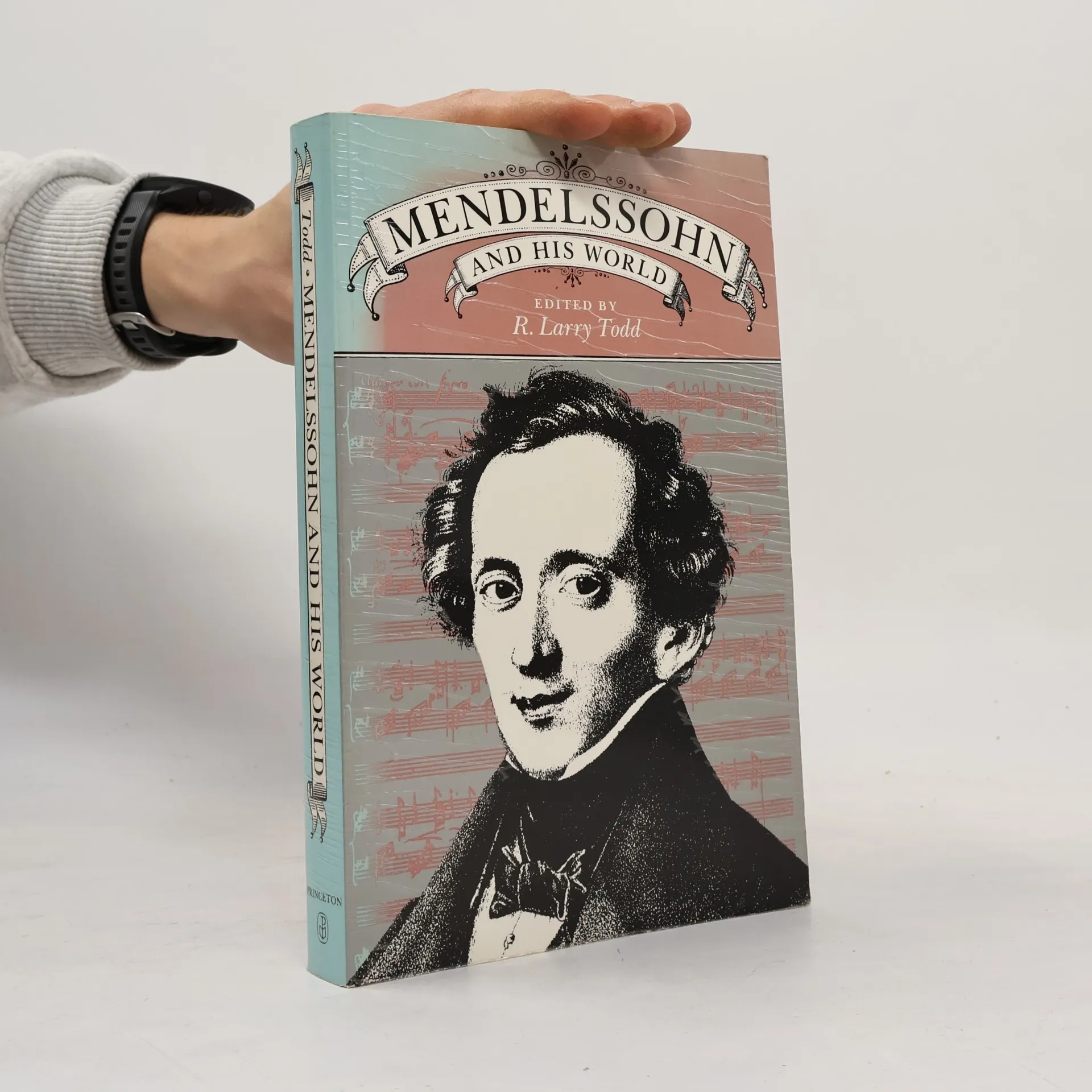
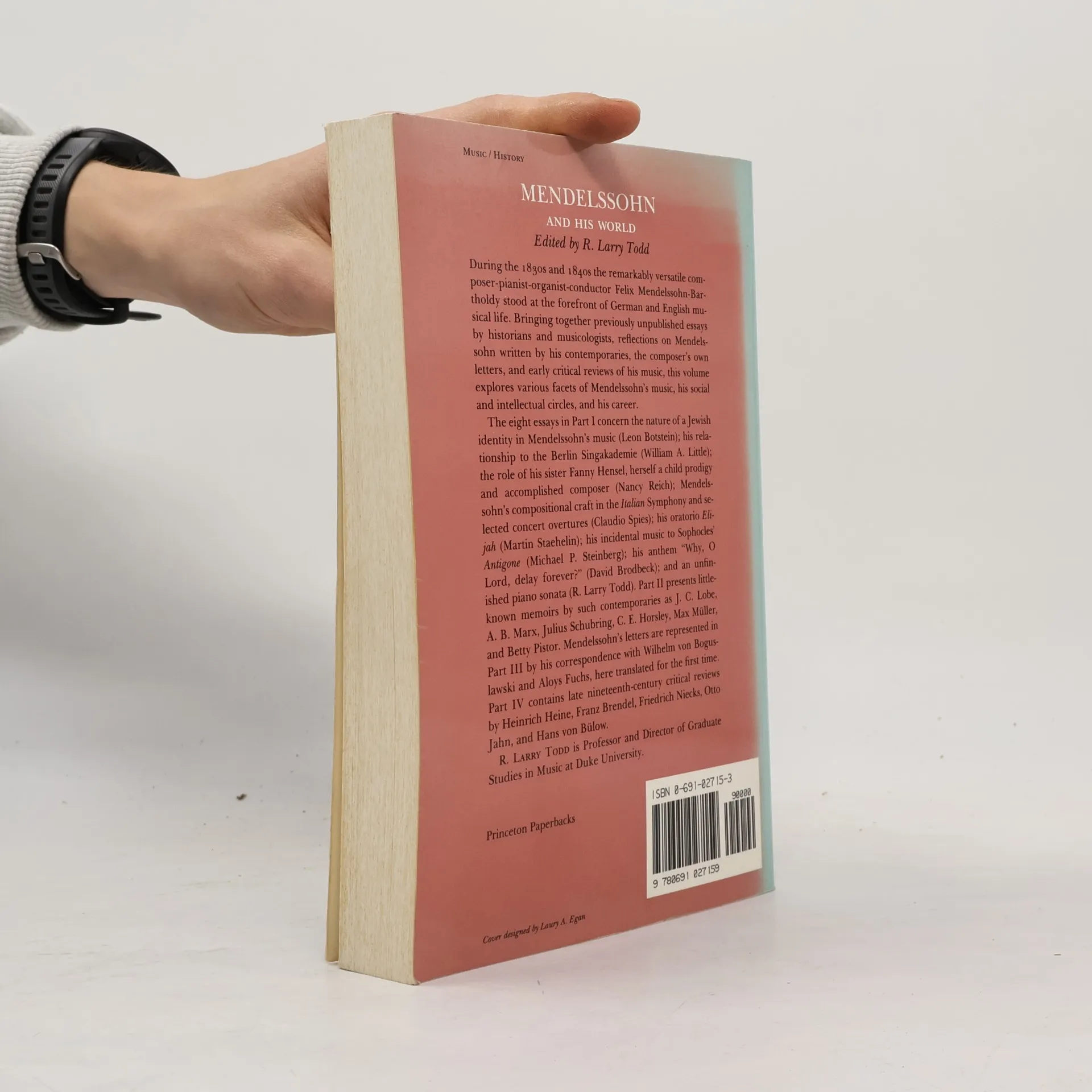
During the 1830s and 1840s, Felix Mendelssohn-Bartholdy emerged as a leading figure in German and English musical life. This volume compiles unpublished essays from historians and musicologists, reflections from Mendelssohn's contemporaries, his letters, and early critical reviews, delving into various aspects of his music, social circles, and career. Part I examines themes such as Mendelssohn's Jewish identity (Leon Botstein), his ties to the Berlin Singakademie (William A. Little), and the influence of his sister Fanny Hensel, an accomplished composer herself (Nancy Reich). It also analyzes his compositional techniques in works like the Italian Symphony (Claudio Spies), the oratorio Elijah (Martin Staehelin), incidental music for Sophocles' Antigone (Michael P. Steinberg), the anthem "Why, O Lord, delay forever?" (David Brodbeck), and an unfinished piano sonata (R. Larry Todd). Part II features memoirs from contemporaries such as J. C. Lobe and A. B. Marx. Part III includes Mendelssohn's letters to Wilhelm von Boguslawski and Aloys Fuchs, translated for the first time. Finally, Part IV presents late nineteenth-century reviews by notable critics like Heinrich Heine and Franz Brendel, offering insights into Mendelssohn's impact on music.
Book purchase
Mendelssohn and His World, R. Larry Todd
- Language

- Released
- 1991
- Binding
- (Paperback)
Payment methods
No one has rated yet.
- Title
- Mendelssohn and His World
- Language
- English
- Authors
- R. Larry Todd
- Publisher
- Princeton University Press
- Released
- 1991
- Format
- Paperback
- Pages
- 424
- ISBN10
- 0691027153
- ISBN13
- 9780691027159
- Series
- Description
- During the 1830s and 1840s, Felix Mendelssohn-Bartholdy emerged as a leading figure in German and English musical life. This volume compiles unpublished essays from historians and musicologists, reflections from Mendelssohn's contemporaries, his letters, and early critical reviews, delving into various aspects of his music, social circles, and career. Part I examines themes such as Mendelssohn's Jewish identity (Leon Botstein), his ties to the Berlin Singakademie (William A. Little), and the influence of his sister Fanny Hensel, an accomplished composer herself (Nancy Reich). It also analyzes his compositional techniques in works like the Italian Symphony (Claudio Spies), the oratorio Elijah (Martin Staehelin), incidental music for Sophocles' Antigone (Michael P. Steinberg), the anthem "Why, O Lord, delay forever?" (David Brodbeck), and an unfinished piano sonata (R. Larry Todd). Part II features memoirs from contemporaries such as J. C. Lobe and A. B. Marx. Part III includes Mendelssohn's letters to Wilhelm von Boguslawski and Aloys Fuchs, translated for the first time. Finally, Part IV presents late nineteenth-century reviews by notable critics like Heinrich Heine and Franz Brendel, offering insights into Mendelssohn's impact on music.