


More about the book
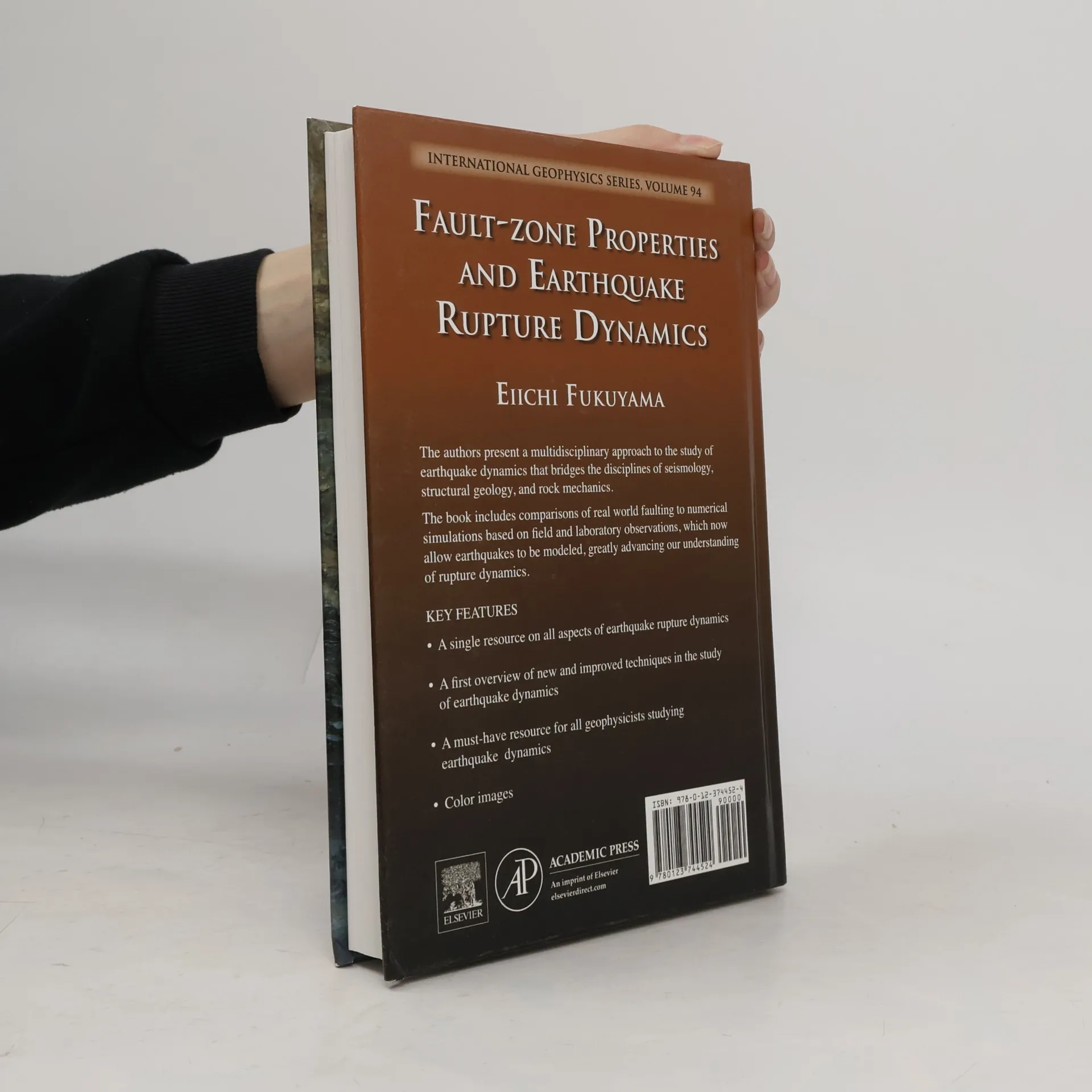
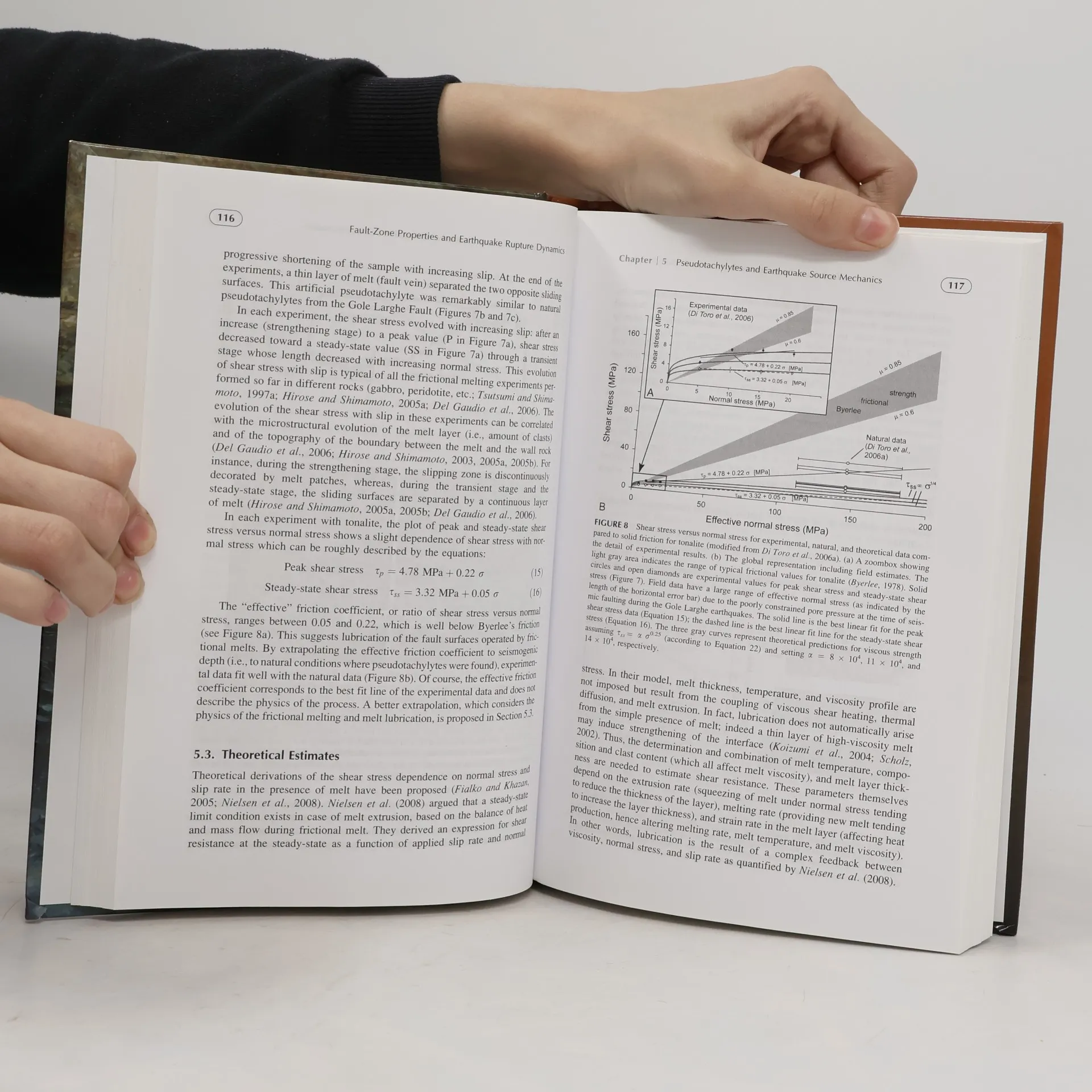
The dynamics of the earthquake rupture process are closely related to fault zone properties which the authors have intensively investigated by various observations in the field as well as by laboratory experiments. These include geological investigation of the active and fossil faults, physical and chemical features obtained by the laboratory experiments, as well as the seismological estimation from seismic waveforms. Earthquake dynamic rupture can now be modeled using numerical simulations on the basis of field and laboratory observations, which should be very useful for understanding earthquake rupture dynamics. Features:* First overview of new and improved techniques in the study of earthquake faulting* Broad coverage* Full colorBenefits:* A must-have for all geophysicists who work on earthquake dynamics* Single resource for all aspects of earthquake dynamics (from lab measurements to seismological observations to numerical modelling)* Bridges the disciplines of seismology, structural geology and rock mechanics* Helps readers to understand and interpret graphs and mapsAlso has potential use as a supplementary resource for upper division and graduate geophysics courses.
Book purchase
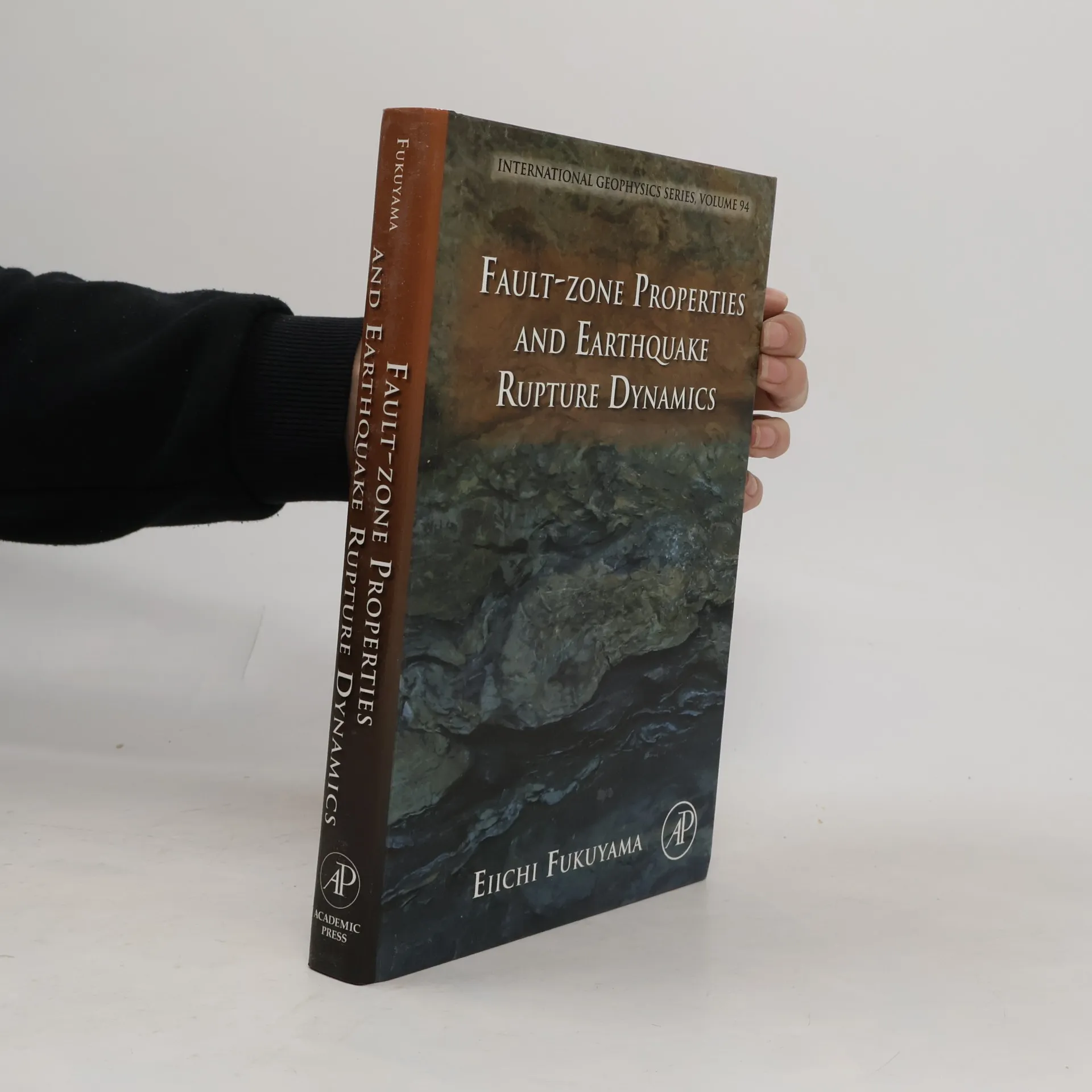
International Geophysics Series - 94: Fault-Zone Properties and Earthquake Rupture Dynamics, Eiichi Fukuyama
- Language

- Released
- 2009
- Binding
- (Hardcover),
- Book condition
- Damaged
- Price
- €38.99
Payment methods
No one has rated yet.
- Title
- International Geophysics Series - 94: Fault-Zone Properties and Earthquake Rupture Dynamics
- Language
- English
- Authors
- Eiichi Fukuyama
- Publisher
- Academic press
- Released
- 2009
- Format
- Hardcover
- Pages
- 336
- ISBN10
- 0123744520
- ISBN13
- 9780123744524
- Series
- Tags
- Science, USA, Technology, Series, Geology, Earthquakes
- Description
- The dynamics of the earthquake rupture process are closely related to fault zone properties which the authors have intensively investigated by various observations in the field as well as by laboratory experiments. These include geological investigation of the active and fossil faults, physical and chemical features obtained by the laboratory experiments, as well as the seismological estimation from seismic waveforms. Earthquake dynamic rupture can now be modeled using numerical simulations on the basis of field and laboratory observations, which should be very useful for understanding earthquake rupture dynamics. Features:* First overview of new and improved techniques in the study of earthquake faulting* Broad coverage* Full colorBenefits:* A must-have for all geophysicists who work on earthquake dynamics* Single resource for all aspects of earthquake dynamics (from lab measurements to seismological observations to numerical modelling)* Bridges the disciplines of seismology, structural geology and rock mechanics* Helps readers to understand and interpret graphs and mapsAlso has potential use as a supplementary resource for upper division and graduate geophysics courses.