


Parameters
- 538 pages
- 19 hours of reading
More about the book
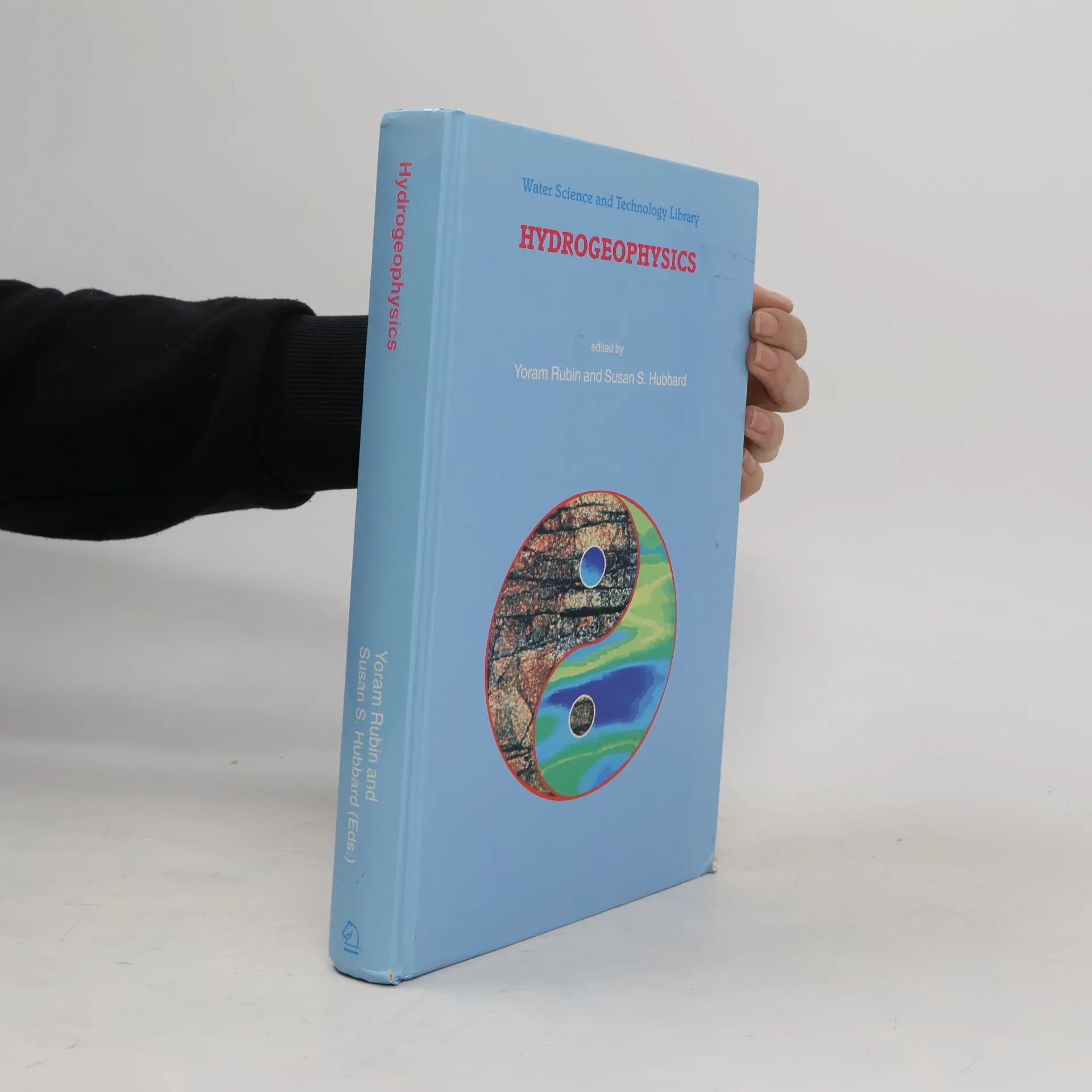
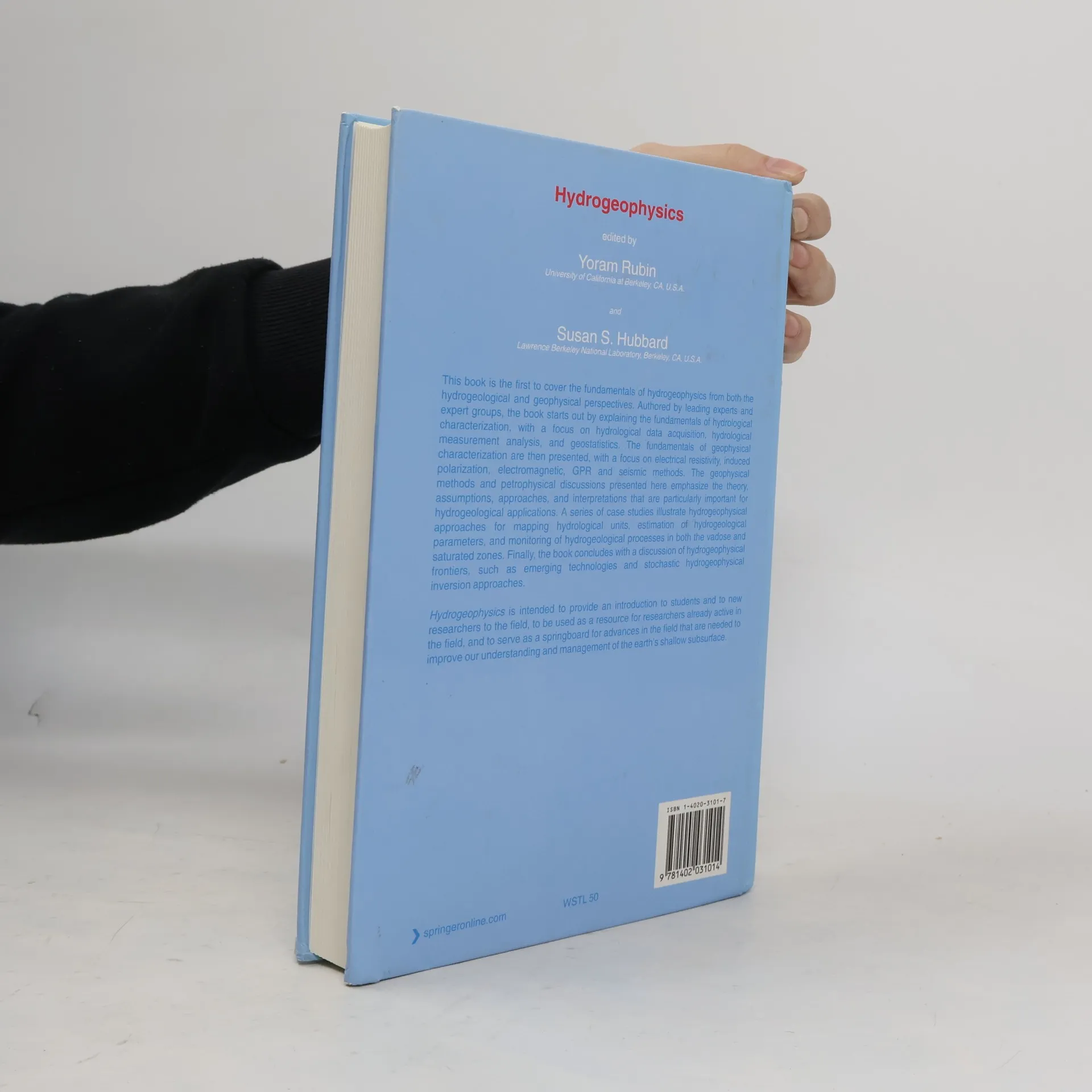
This ground-breaking work is the first to cover the fundamentals of hydrogeophysics from both the hydrogeological and geophysical perspectives. Authored by leading experts and expert groups, the book starts out by explaining the fundamentals of hydrological characterization, with focus on hydrological data acquisition and measurement analysis as well as geostatistical approaches. The fundamentals of geophysical characterization are then at length, including the geophysical techniques that are often used for hydrogeological characterization. Unlike other books, the geophysical methods and petrophysical discussions presented here emphasize the theory, assumptions, approaches, and interpretations that are particularly important for hydrogeological applications. A series of hydrogeophysical case studies illustrate hydrogeophysical approaches for mapping hydrological units, estimation of hydrogeological parameters, and monitoring of hydrogeological processes. Finally, the book concludes with hydrogeophysical frontiers, i.e. on emerging technologies and stochastic hydrogeophysical inversion approaches.
Book purchase
Water Science and Technology Library: Hydrogeophysics, Susan S. Hubbard, Yoram Rubin
- Language

- Released
- 2006
- Binding
- (Hardcover),
- Book condition
- Damaged
- Price
- €67.99
Payment methods
No one has rated yet.
- Title
- Water Science and Technology Library: Hydrogeophysics
- Language
- English
- Authors
- Susan S. Hubbard, Yoram Rubin
- Publisher
- Springer
- Released
- 2006
- Format
- Hardcover
- Pages
- 538
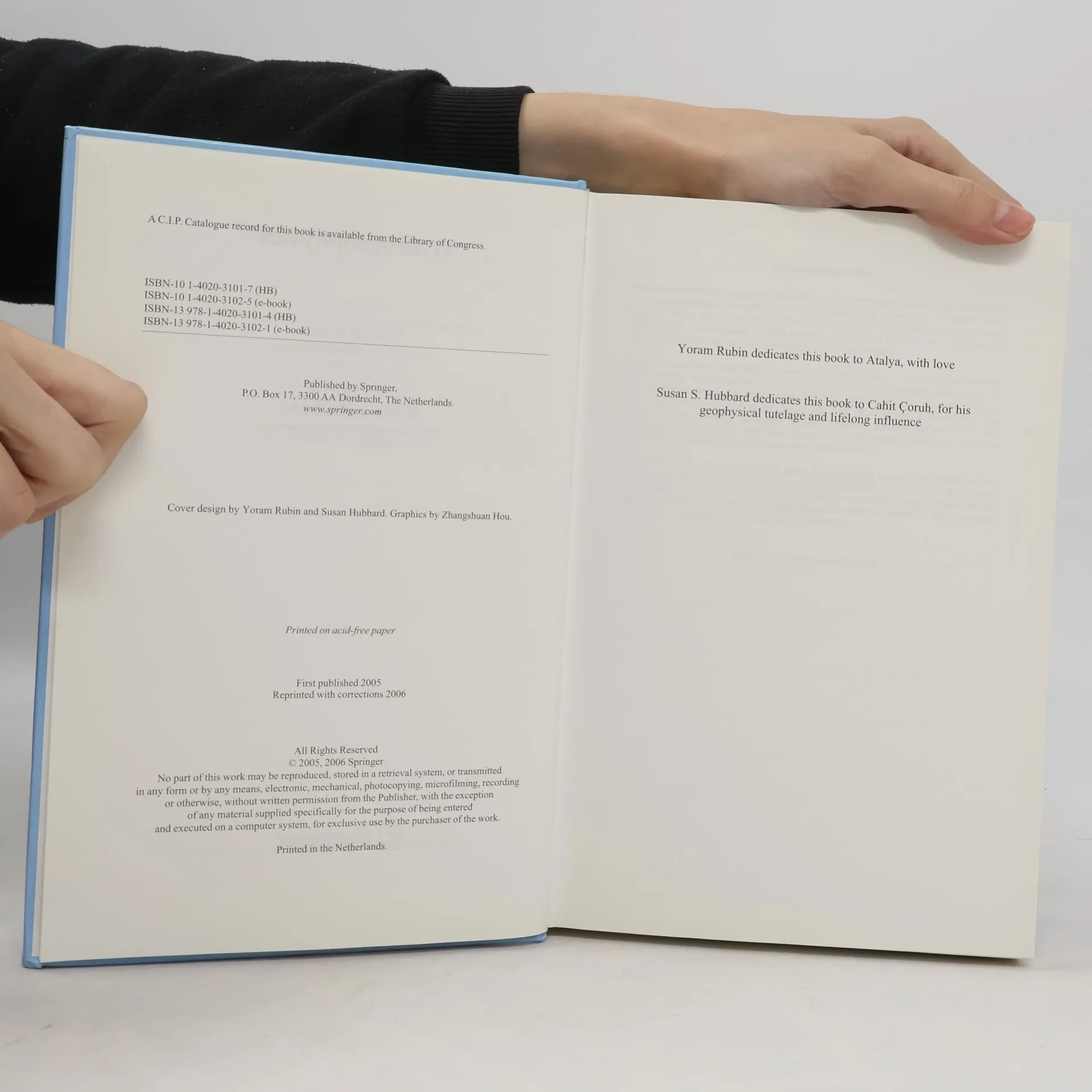
- ISBN10
- 1402031017
- ISBN13
- 9781402031014
- Series
- Tags
- Science
- Description
- This ground-breaking work is the first to cover the fundamentals of hydrogeophysics from both the hydrogeological and geophysical perspectives. Authored by leading experts and expert groups, the book starts out by explaining the fundamentals of hydrological characterization, with focus on hydrological data acquisition and measurement analysis as well as geostatistical approaches. The fundamentals of geophysical characterization are then at length, including the geophysical techniques that are often used for hydrogeological characterization. Unlike other books, the geophysical methods and petrophysical discussions presented here emphasize the theory, assumptions, approaches, and interpretations that are particularly important for hydrogeological applications. A series of hydrogeophysical case studies illustrate hydrogeophysical approaches for mapping hydrological units, estimation of hydrogeological parameters, and monitoring of hydrogeological processes. Finally, the book concludes with hydrogeophysical frontiers, i.e. on emerging technologies and stochastic hydrogeophysical inversion approaches.