

More about the book
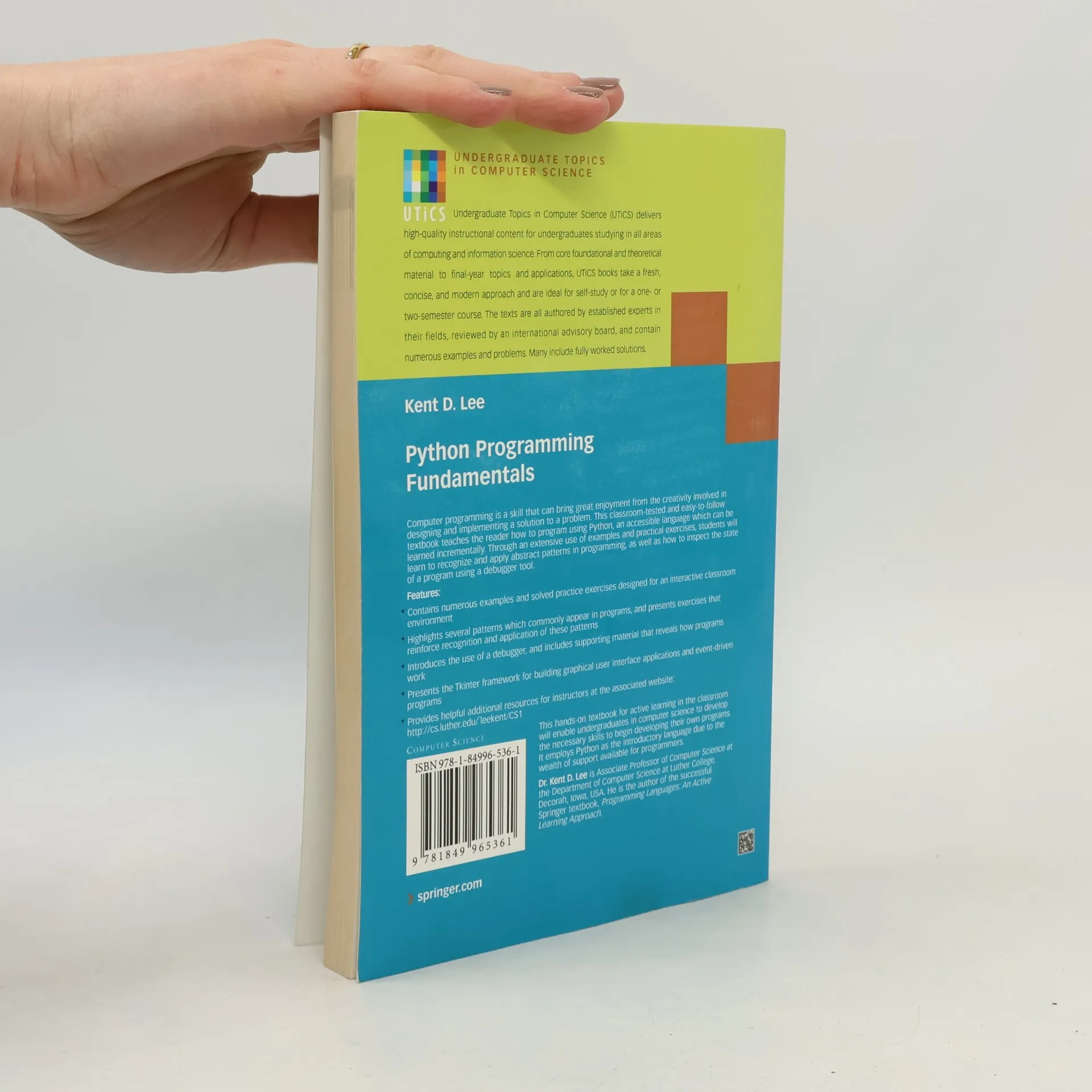
Computer programming is a skill that can bring great enjoyment from the creativity involved in designing and implementing a solution to a problem. This classroom-tested and easy-to-follow textbook teaches the reader how to program using Python, an accessible language which can be learned incrementally. Through an extensive use of examples and practical exercises, students will learn to recognize and apply abstract patterns in programming, as well as how to inspect the state of a program using a debugger tool. Features: contains numerous examples and solved practice exercises designed for an interactive classroom environment; highlights several patterns which commonly appear in programs, and presents exercises that reinforce recognition and application of these patterns; introduces the use of a debugger, and includes supporting material that reveals how programs work; presents the Tkinter framework for building graphical user interface applications and event-driven programs; provides helpful additional resources for instructors at the associated website: http: //cs.luther.edu/ leekent/CS1. This hands-on textbook for active learning in the classroom will enable undergraduates in computer science to develop the necessary skills to begin developing their own programs. It employs Python as the introductory language due to the wealth of support available for programmers
Book purchase
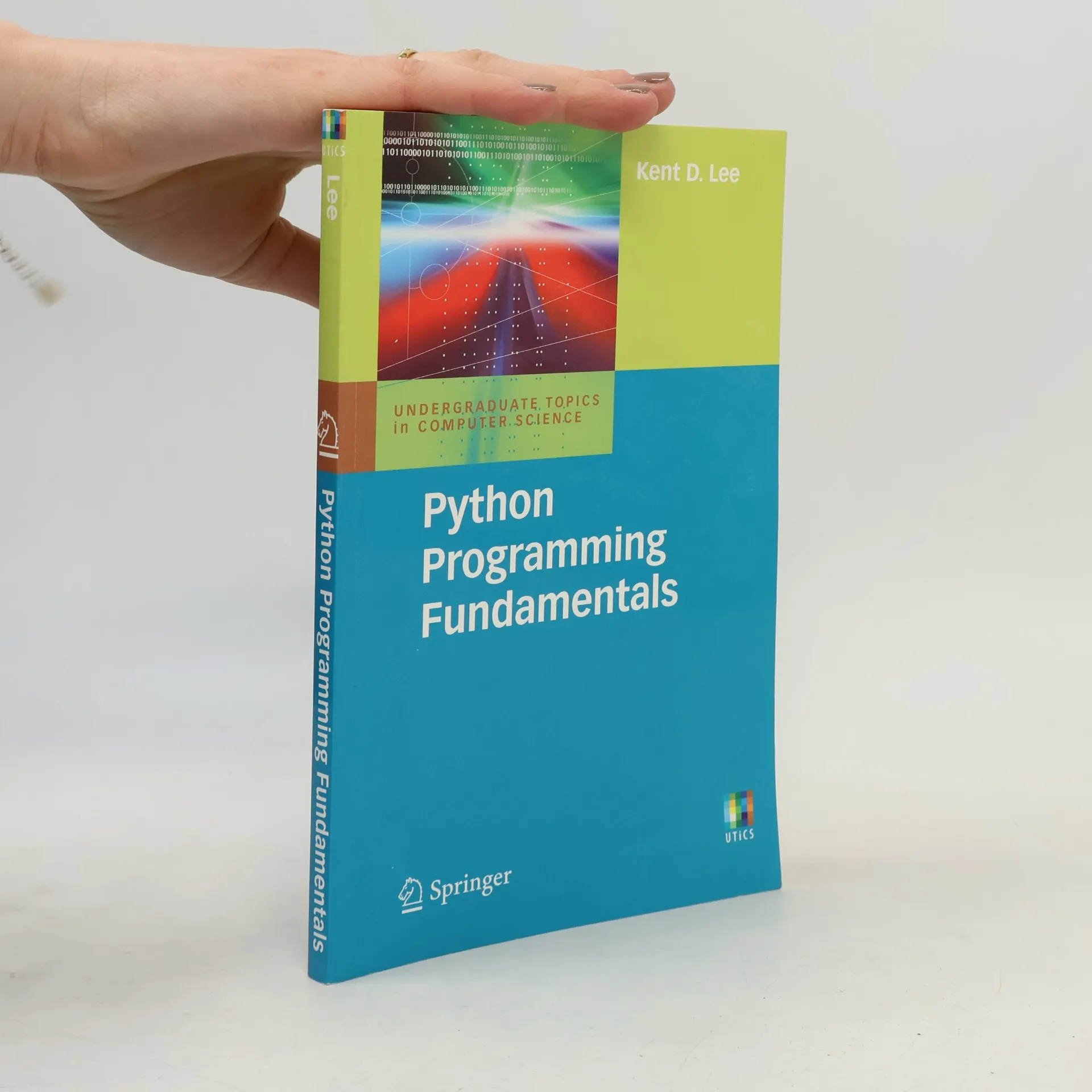
Undergraduate Topics in Computer Science: Python Programming Fundamentals, Kent D. Lee
- Language

- Released
- 2011
- Binding
- (Paperback),
- Book condition
- Good
- Price
- €36.99
Payment methods
No one has rated yet.
- Title
- Undergraduate Topics in Computer Science: Python Programming Fundamentals
- Language
- English
- Authors
- Kent D. Lee
- Publisher
- Springer London
- Released
- 2011
- Format
- Paperback
- Pages
- 241
- ISBN10
- 1849965366
- ISBN13
- 9781849965361
- Series
- Categories
- Tags
- Description
- Computer programming is a skill that can bring great enjoyment from the creativity involved in designing and implementing a solution to a problem. This classroom-tested and easy-to-follow textbook teaches the reader how to program using Python, an accessible language which can be learned incrementally. Through an extensive use of examples and practical exercises, students will learn to recognize and apply abstract patterns in programming, as well as how to inspect the state of a program using a debugger tool. Features: contains numerous examples and solved practice exercises designed for an interactive classroom environment; highlights several patterns which commonly appear in programs, and presents exercises that reinforce recognition and application of these patterns; introduces the use of a debugger, and includes supporting material that reveals how programs work; presents the Tkinter framework for building graphical user interface applications and event-driven programs; provides helpful additional resources for instructors at the associated website: http: //cs.luther.edu/ leekent/CS1. This hands-on textbook for active learning in the classroom will enable undergraduates in computer science to develop the necessary skills to begin developing their own programs. It employs Python as the introductory language due to the wealth of support available for programmers