

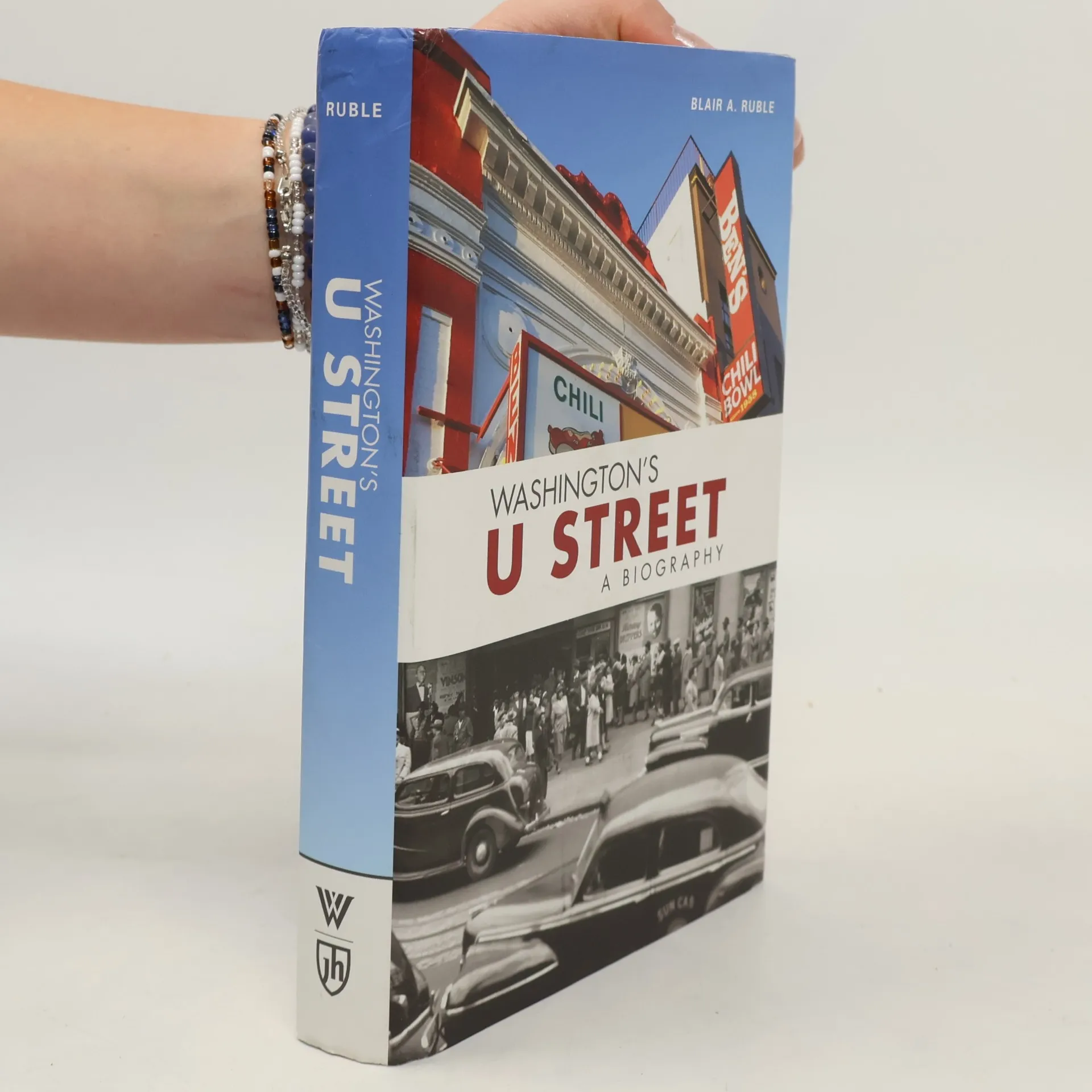
Washington's U Street
A Biography
Authors
Parameters
- 432 pages
- 16 hours of reading
More about the book
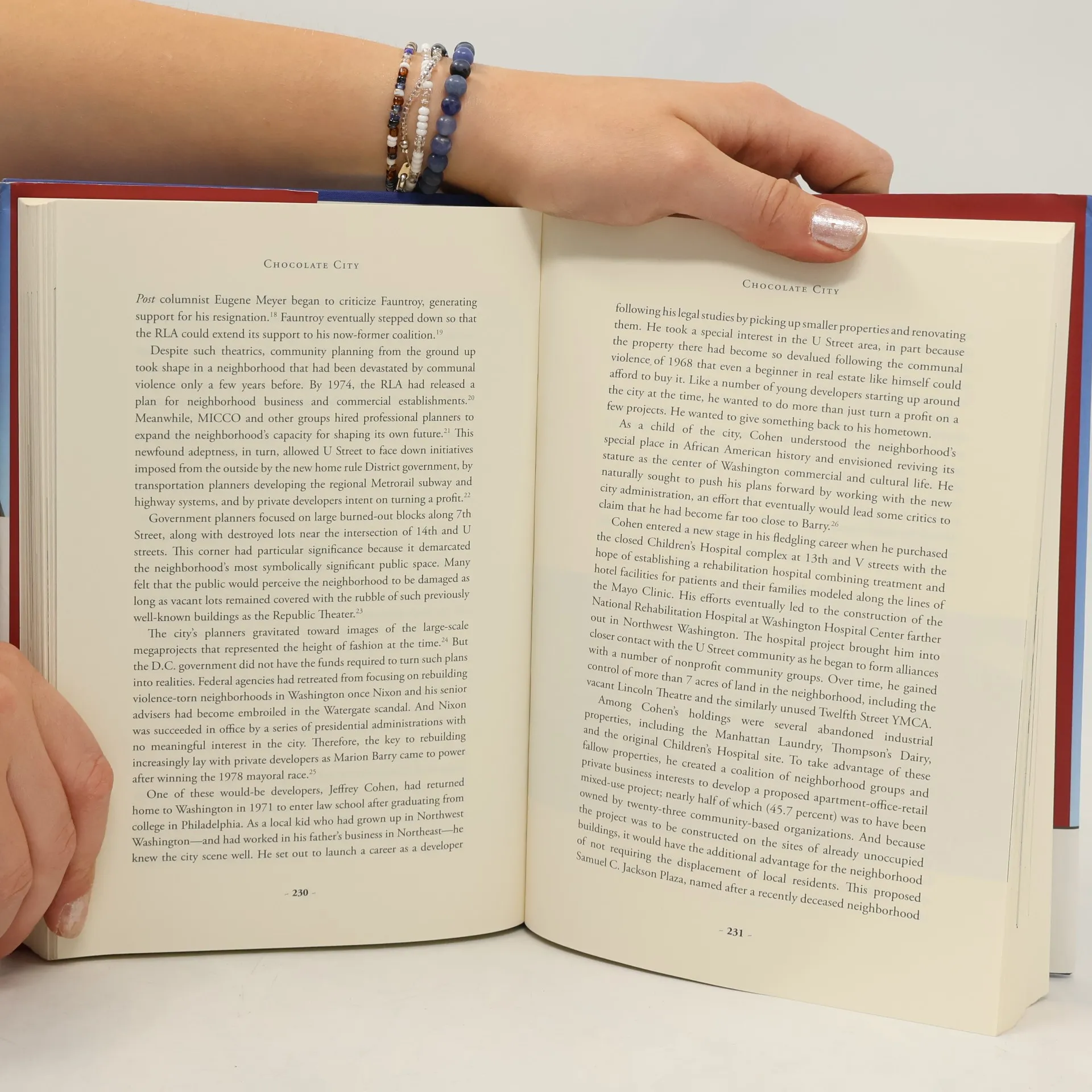
This book traces the history of the U Street neighborhood in Washington, D.C., from its Civil War origins to recent gentrification. A significant site of interaction between black and white America, U Street has been home to notable scholars, entertainers, and political figures, as well as vital African American institutions. Key landmarks include Howard University and the Howard Theater, and influential residents have included Duke Ellington, diplomat Ralph Bunche, Supreme Court Justice Thurgood Marshall, and medical researcher Charles Drew. The neighborhood emerged during the Civil War with a diverse population across races and economic classes. However, Jim Crow laws and segregation took hold after the Compromise of 1877, leading to a century where U Street became a vibrant center of African American life. The mid-twentieth century saw the rise of cultural and educational institutions, fostering an African American middle and elite class, which ironically created biases within the community. Following residential desegregation, many elites left, leading to a period of decline marked by the 1968 riots. Recently, U Street has experienced a fitful resurgence. Blair A. Ruble, a jazz aficionado and urbanist, brings a unique perspective to this culturally significant area through original research and an engaging narrative style.
Book purchase
Washington's U Street, Blair A. Ruble
- Language

- Released
- 2010
- Binding
- (Hardcover),
- Book condition
- Good
- Price
- €12.99
Payment methods
No one has rated yet.
- Title
- Washington's U Street
- Subtitle
- A Biography
- Language
- English
- Authors
- Blair A. Ruble
- Publisher
- Johns Hopkins University Press
- Released
- 2010
- Format
- Hardcover
- Pages
- 432
- ISBN10
- 0801898005
- ISBN13
- 9780801898006
- Series
- Description
- This book traces the history of the U Street neighborhood in Washington, D.C., from its Civil War origins to recent gentrification. A significant site of interaction between black and white America, U Street has been home to notable scholars, entertainers, and political figures, as well as vital African American institutions. Key landmarks include Howard University and the Howard Theater, and influential residents have included Duke Ellington, diplomat Ralph Bunche, Supreme Court Justice Thurgood Marshall, and medical researcher Charles Drew. The neighborhood emerged during the Civil War with a diverse population across races and economic classes. However, Jim Crow laws and segregation took hold after the Compromise of 1877, leading to a century where U Street became a vibrant center of African American life. The mid-twentieth century saw the rise of cultural and educational institutions, fostering an African American middle and elite class, which ironically created biases within the community. Following residential desegregation, many elites left, leading to a period of decline marked by the 1968 riots. Recently, U Street has experienced a fitful resurgence. Blair A. Ruble, a jazz aficionado and urbanist, brings a unique perspective to this culturally significant area through original research and an engaging narrative style.