

New Directions in Anthropology - 32: Tourism, Magic and Modernity
Cultivating the Human Garden
Authors
More about the book
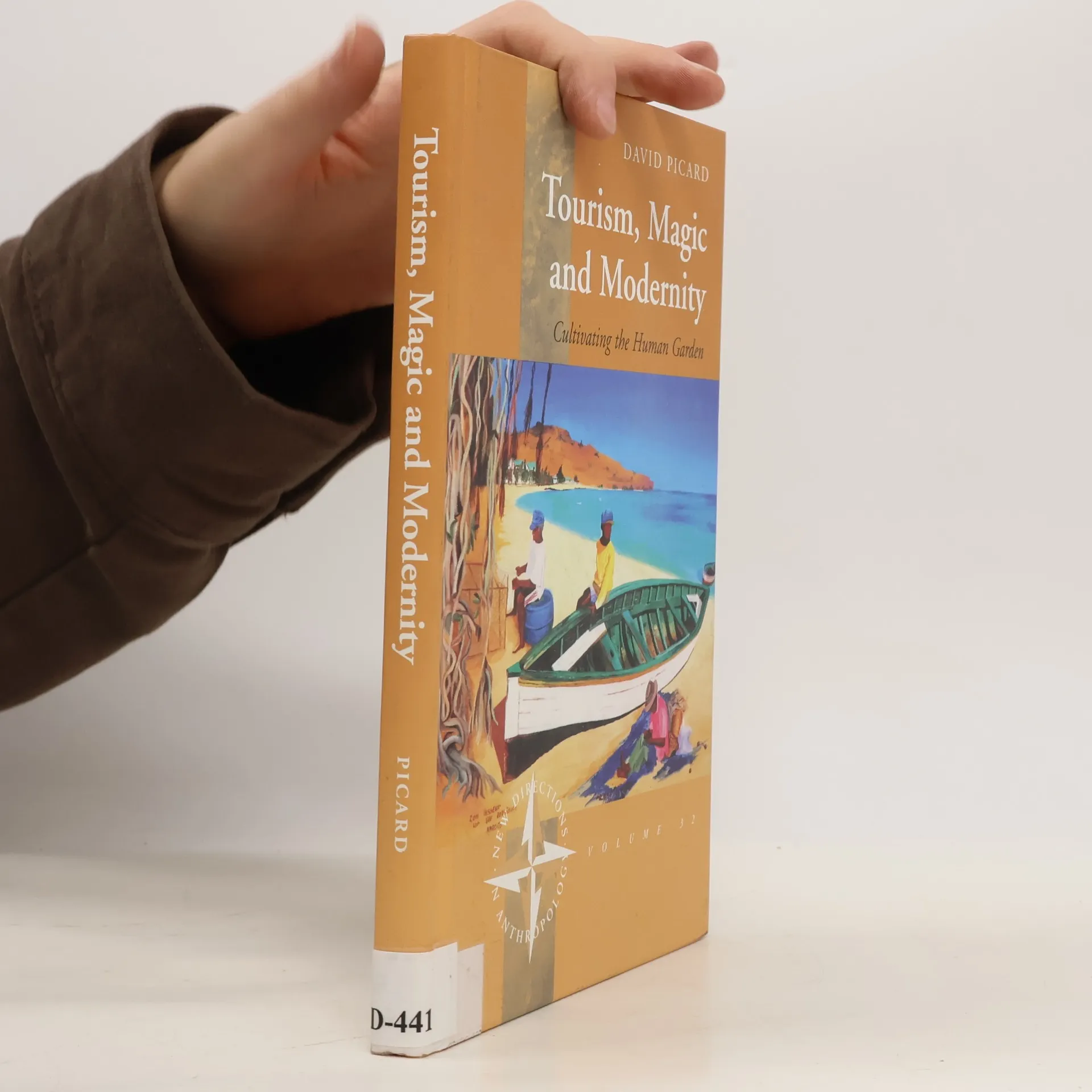
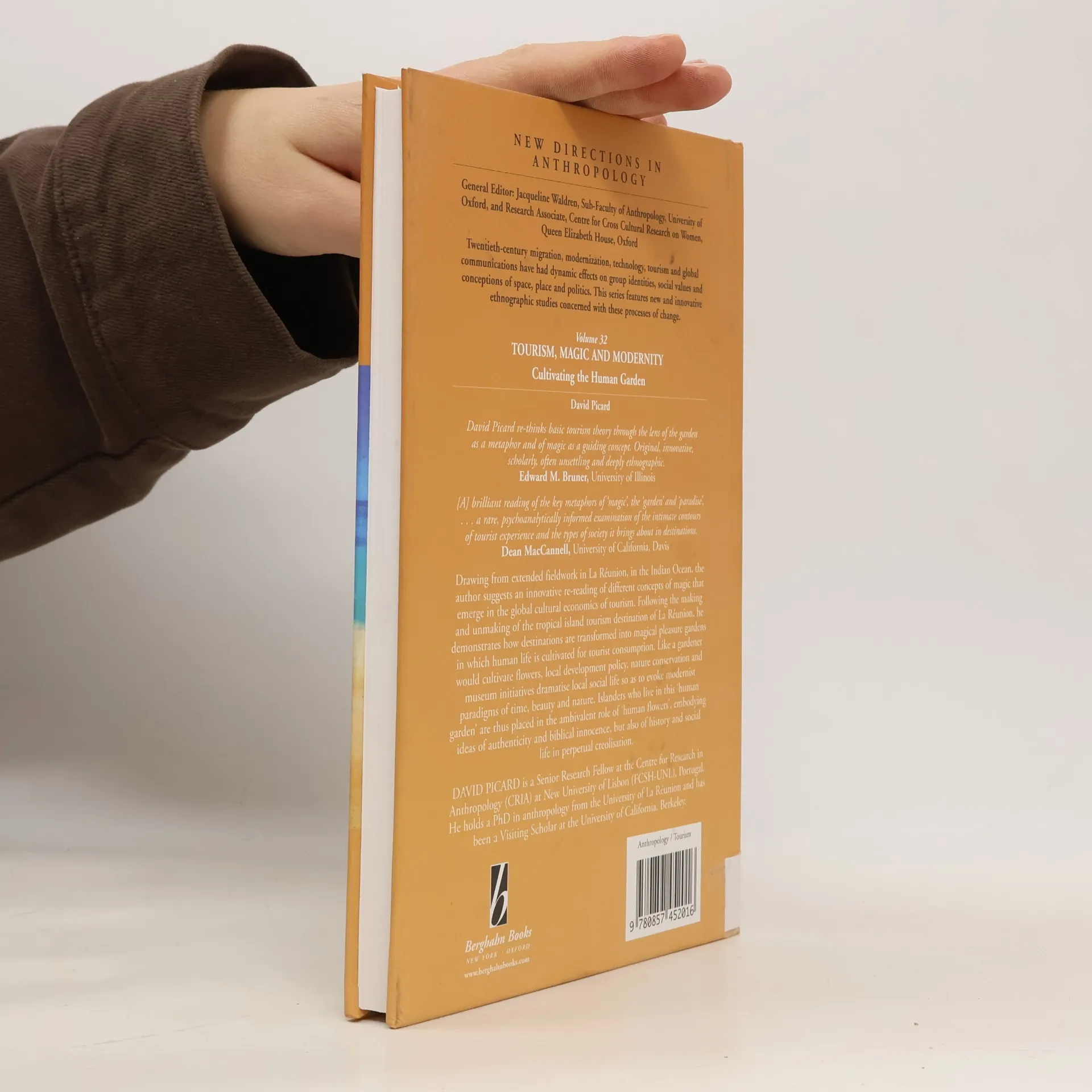
David Picard rethinks tourism theory using the garden as a metaphor and magic as a guiding concept. The work is original, innovative, and deeply ethnographic. It provides a brilliant analysis of key metaphors such as 'magic,' 'garden,' and 'paradise,' offering a psychoanalytically informed exploration of tourist experiences and the societal transformations they engender in destinations. Drawing from extensive fieldwork in La Réunion, in the Indian Ocean, the author presents a fresh interpretation of the various concepts of magic that arise within the global cultural economics of tourism. He illustrates how the tropical island of La Réunion is reshaped into a magical pleasure garden, where human life is cultivated for tourist consumption. Local development policies, nature conservation, and museum initiatives dramatize social life, reflecting modernist ideals of time, beauty, and nature. Islanders, living in this 'human garden,' take on the dual role of 'human flowers,' representing authenticity and biblical innocence while also embodying a history of social life in continuous creolization. David Picard is a Senior Research Fellow at the Centre for Research in Anthropology at New University of Lisbon and holds a PhD in anthropology from the University of La Réunion.
Book purchase
New Directions in Anthropology - 32: Tourism, Magic and Modernity, David Picard
- Language

- Released
- 2011
- Binding
- (Hardcover),
- Book condition
- Good
- Price
- €17.49
Payment methods
No one has rated yet.
- Title
- New Directions in Anthropology - 32: Tourism, Magic and Modernity
- Subtitle
- Cultivating the Human Garden
- Language
- English
- Authors
- David Picard
- Publisher
- Berghahn Books
- Released
- 2011
- Format
- Hardcover
- Pages
- 189
- ISBN10
- 0857452010
- ISBN13
- 9780857452016
- Series
- Tags
- Business
- Description
- David Picard rethinks tourism theory using the garden as a metaphor and magic as a guiding concept. The work is original, innovative, and deeply ethnographic. It provides a brilliant analysis of key metaphors such as 'magic,' 'garden,' and 'paradise,' offering a psychoanalytically informed exploration of tourist experiences and the societal transformations they engender in destinations. Drawing from extensive fieldwork in La Réunion, in the Indian Ocean, the author presents a fresh interpretation of the various concepts of magic that arise within the global cultural economics of tourism. He illustrates how the tropical island of La Réunion is reshaped into a magical pleasure garden, where human life is cultivated for tourist consumption. Local development policies, nature conservation, and museum initiatives dramatize social life, reflecting modernist ideals of time, beauty, and nature. Islanders, living in this 'human garden,' take on the dual role of 'human flowers,' representing authenticity and biblical innocence while also embodying a history of social life in continuous creolization. David Picard is a Senior Research Fellow at the Centre for Research in Anthropology at New University of Lisbon and holds a PhD in anthropology from the University of La Réunion.