

Klee
Authors
More about the book
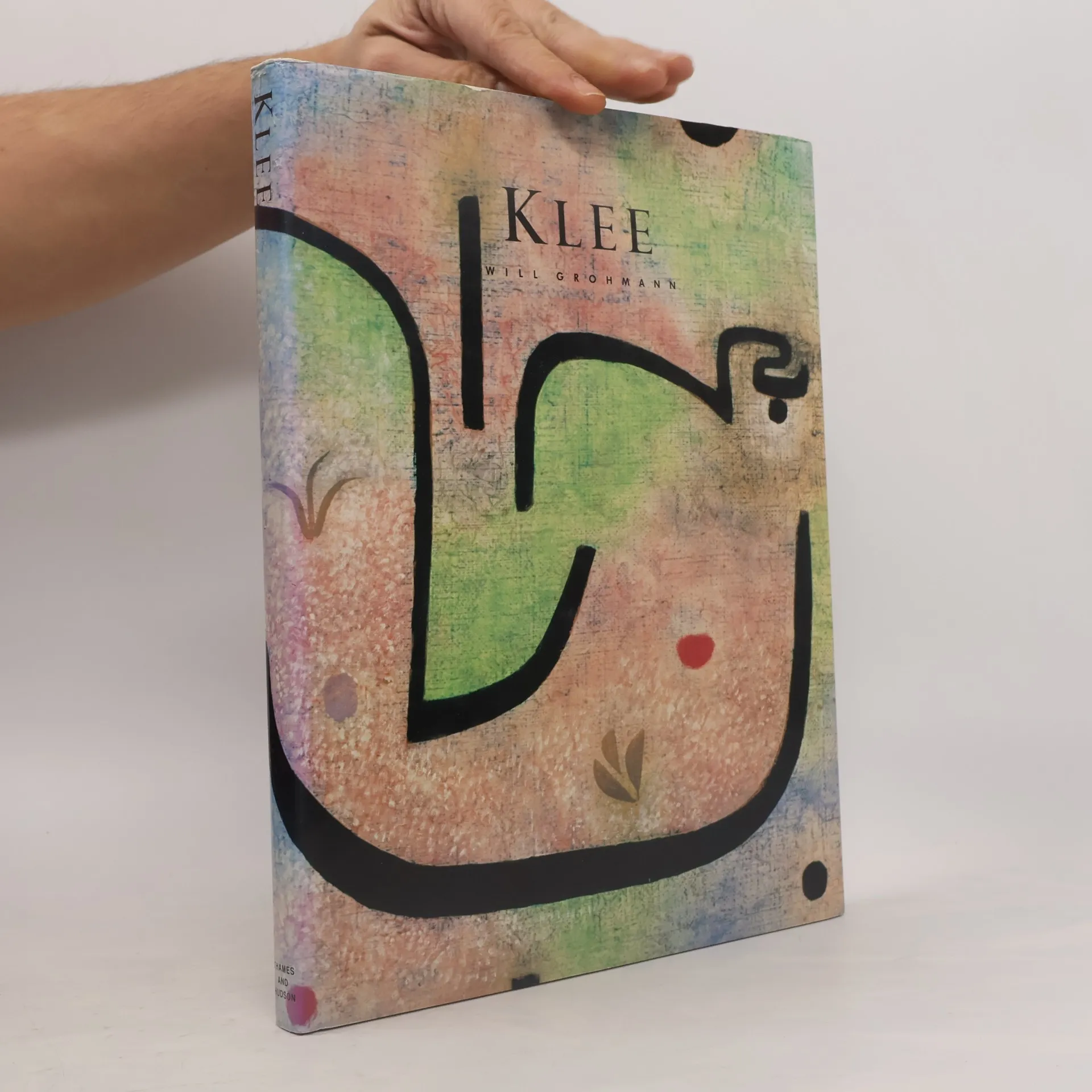
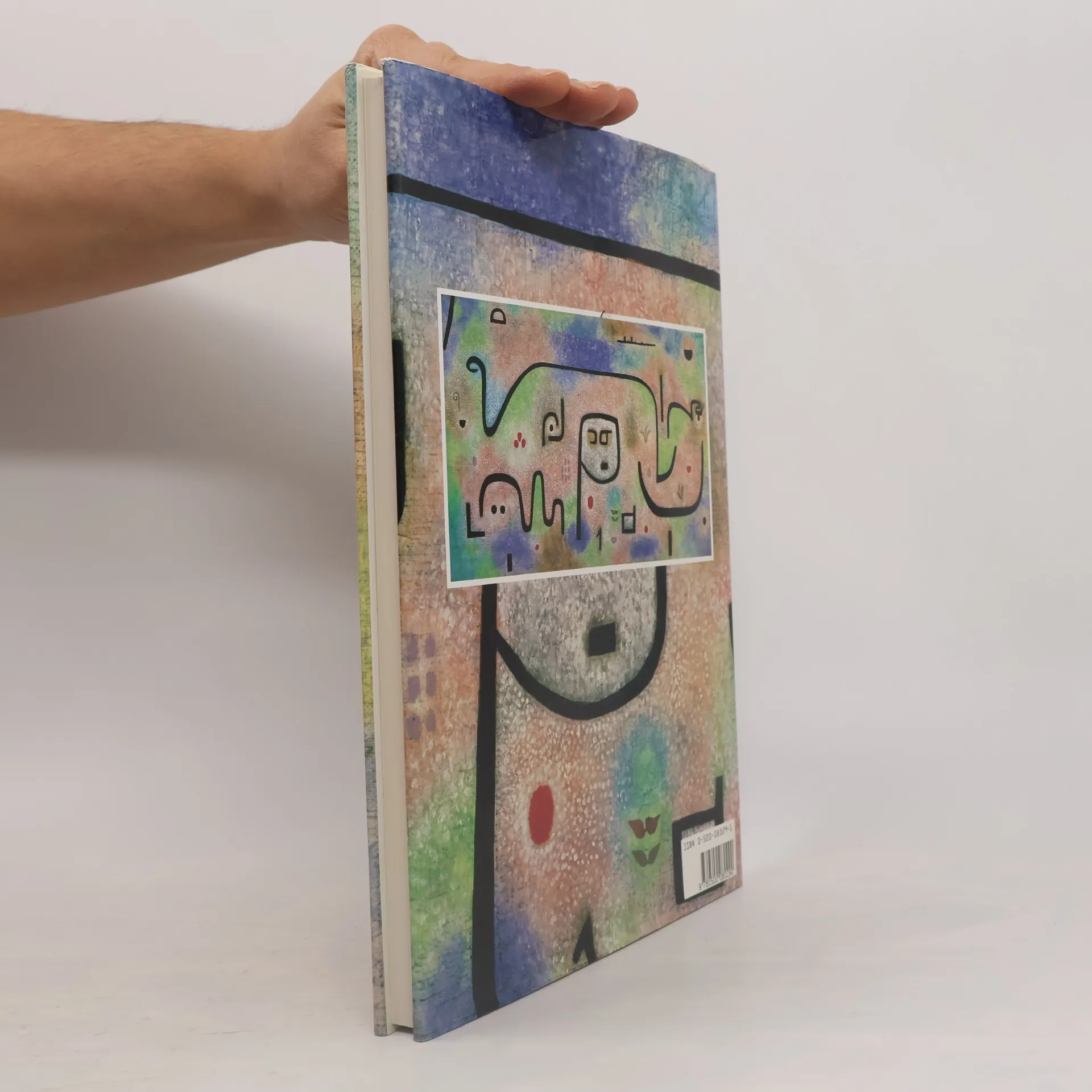
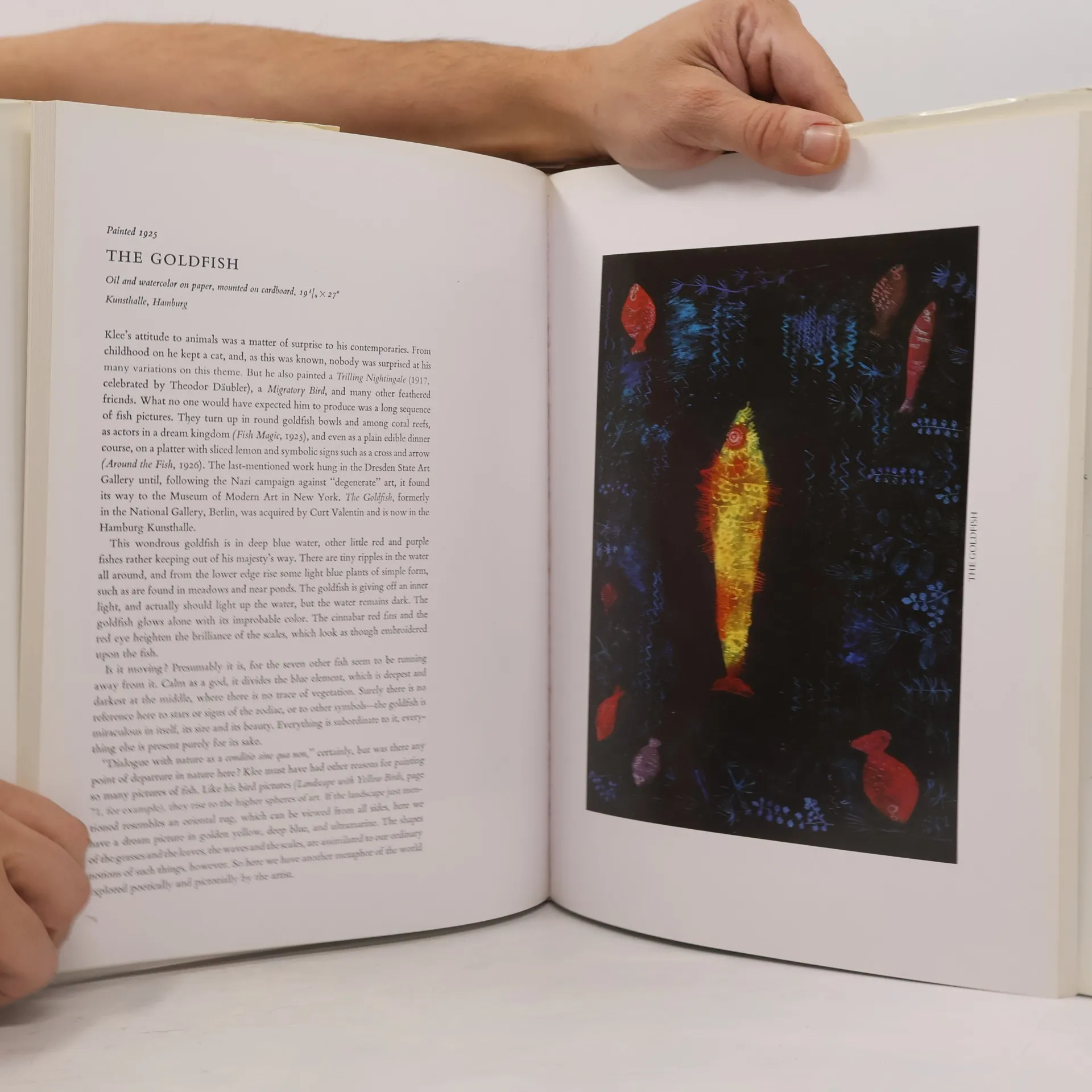
With meticulous theories and thousands of paintings, drawings, and watercolors, Paul Klee (1879–1940) stands out as a cerebral and prolific figure in 20th-century European art. His works, often small in scale, are distinguished by sophisticated thought and nuanced use of line, color, and tonality. Klee's artistic development was influenced by his early involvement with the German expressionist group Der Blaue Reiter and a transformative 1914 trip to Tunisia that reshaped his color palette. After World War I, he taught at the Bauhaus school, where his lectures emphasized the symbolic potential of shade, line, and geometry. His inspirations included Cubism, poetry, music, literature, language, and the raw power of children’s art. Known for his simple stick figures, Klee blended naïveté with rigorous composition and intellectual depth. This book presents a selection of key works to showcase his unique style and influence, featuring sun-drenched landscapes and enigmatic wordplay that reveal a world both simplistic and dazzlingly colorful. The Basic Art Series, established in 1985, has become a best-selling collection, providing detailed summaries of artists' lives and works, along with approximately 100 illustrations and explanatory captions.
Book purchase
Klee, Will Grohmann
- Language

- Released
- 1987
- Binding
- (Hardcover),
- Book condition
- Good
- Price
- €8.19
Payment methods
No one has rated yet.
- Title
- Klee
- Language
- German
- Authors
- Will Grohmann
- Publisher
- Thames & Hudson
- Released
- 1987
- Format
- Hardcover
- Pages
- 128
- ISBN10
- 0500080291
- ISBN13
- 9780500080290
- Series
- Categories
- Tags
- Art
- Description
- With meticulous theories and thousands of paintings, drawings, and watercolors, Paul Klee (1879–1940) stands out as a cerebral and prolific figure in 20th-century European art. His works, often small in scale, are distinguished by sophisticated thought and nuanced use of line, color, and tonality. Klee's artistic development was influenced by his early involvement with the German expressionist group Der Blaue Reiter and a transformative 1914 trip to Tunisia that reshaped his color palette. After World War I, he taught at the Bauhaus school, where his lectures emphasized the symbolic potential of shade, line, and geometry. His inspirations included Cubism, poetry, music, literature, language, and the raw power of children’s art. Known for his simple stick figures, Klee blended naïveté with rigorous composition and intellectual depth. This book presents a selection of key works to showcase his unique style and influence, featuring sun-drenched landscapes and enigmatic wordplay that reveal a world both simplistic and dazzlingly colorful. The Basic Art Series, established in 1985, has become a best-selling collection, providing detailed summaries of artists' lives and works, along with approximately 100 illustrations and explanatory captions.