

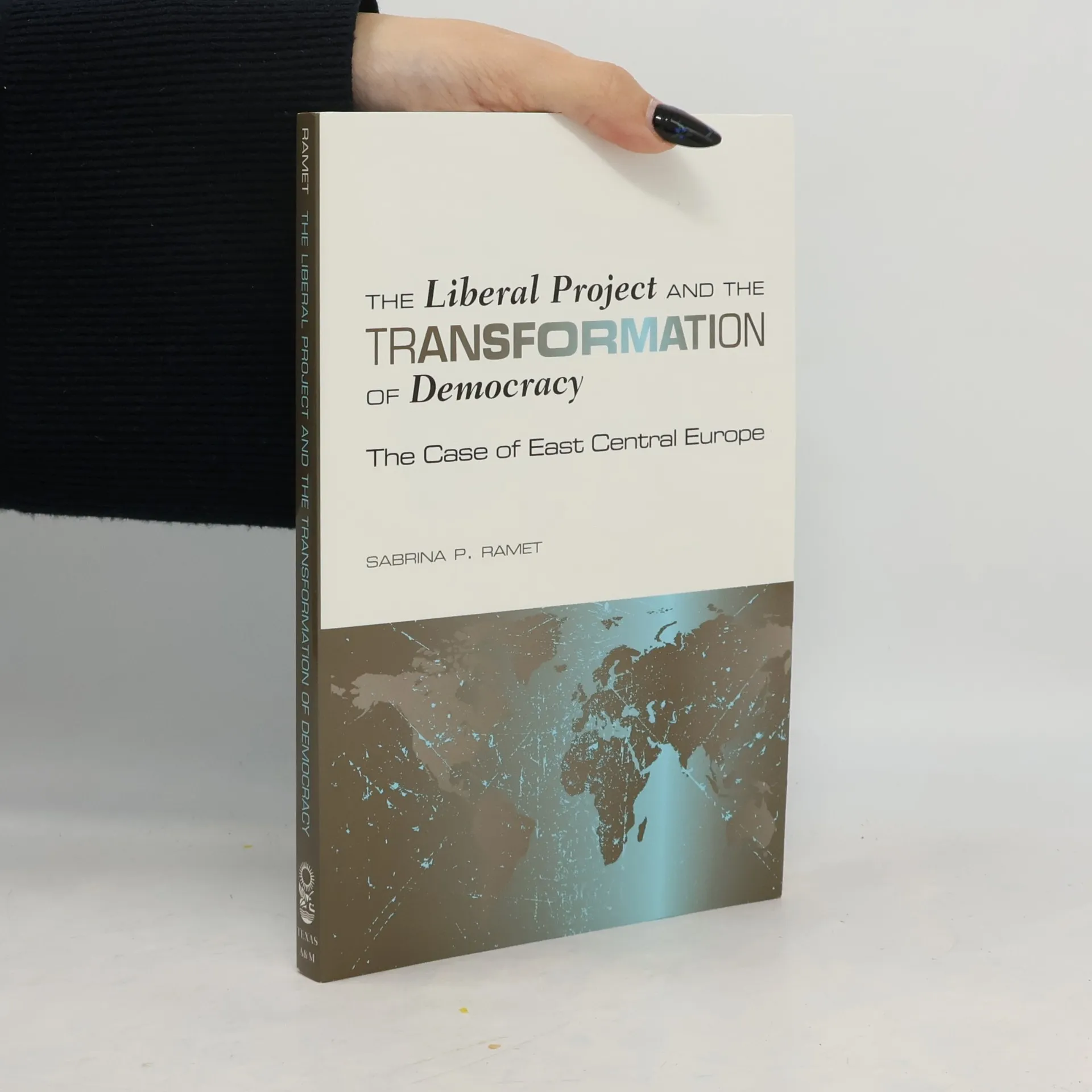
The Liberal Project and the Transformation of Democracy
The Case of East Central Europe
Authors
Parameters
- 192 pages
- 7 hours of reading
More about the book
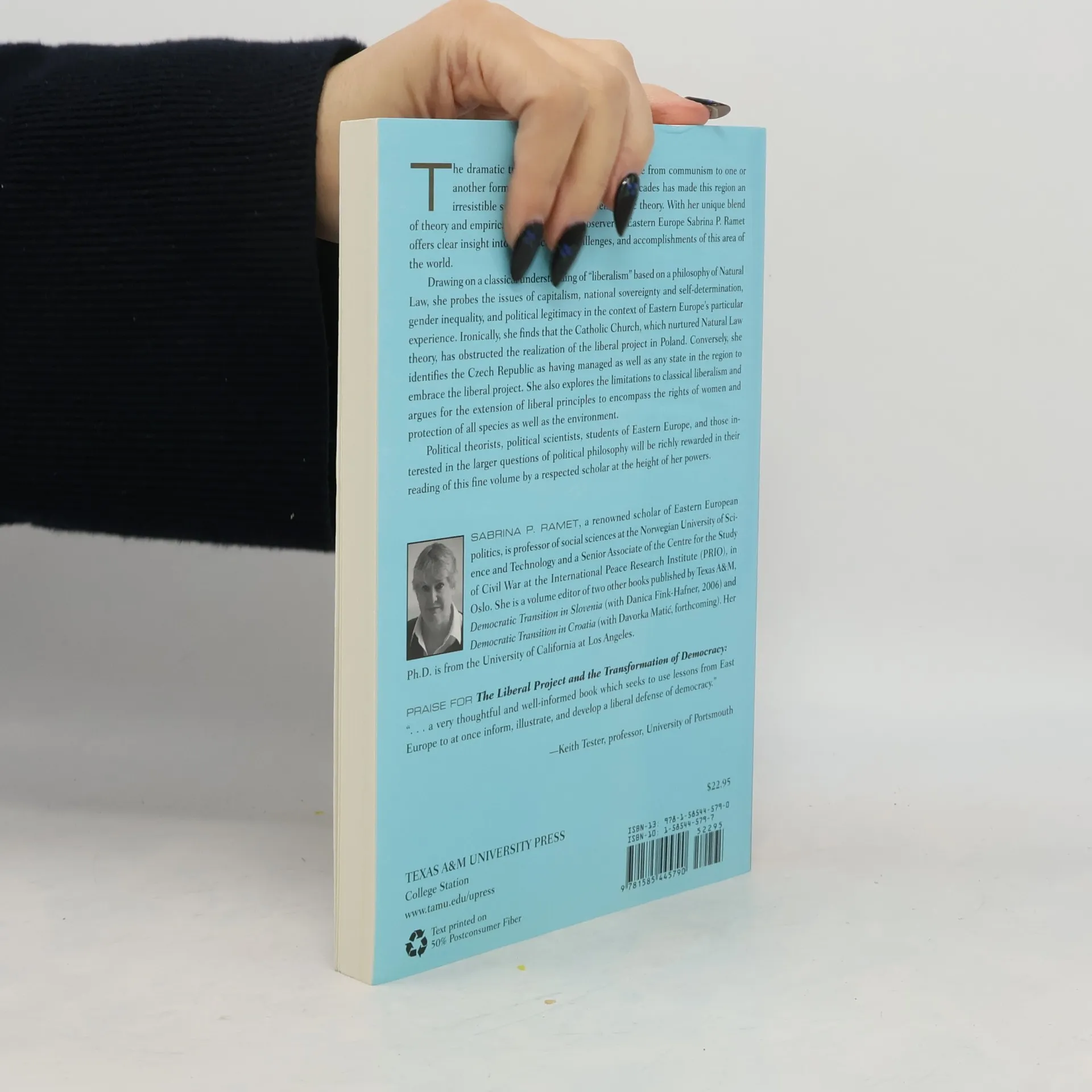
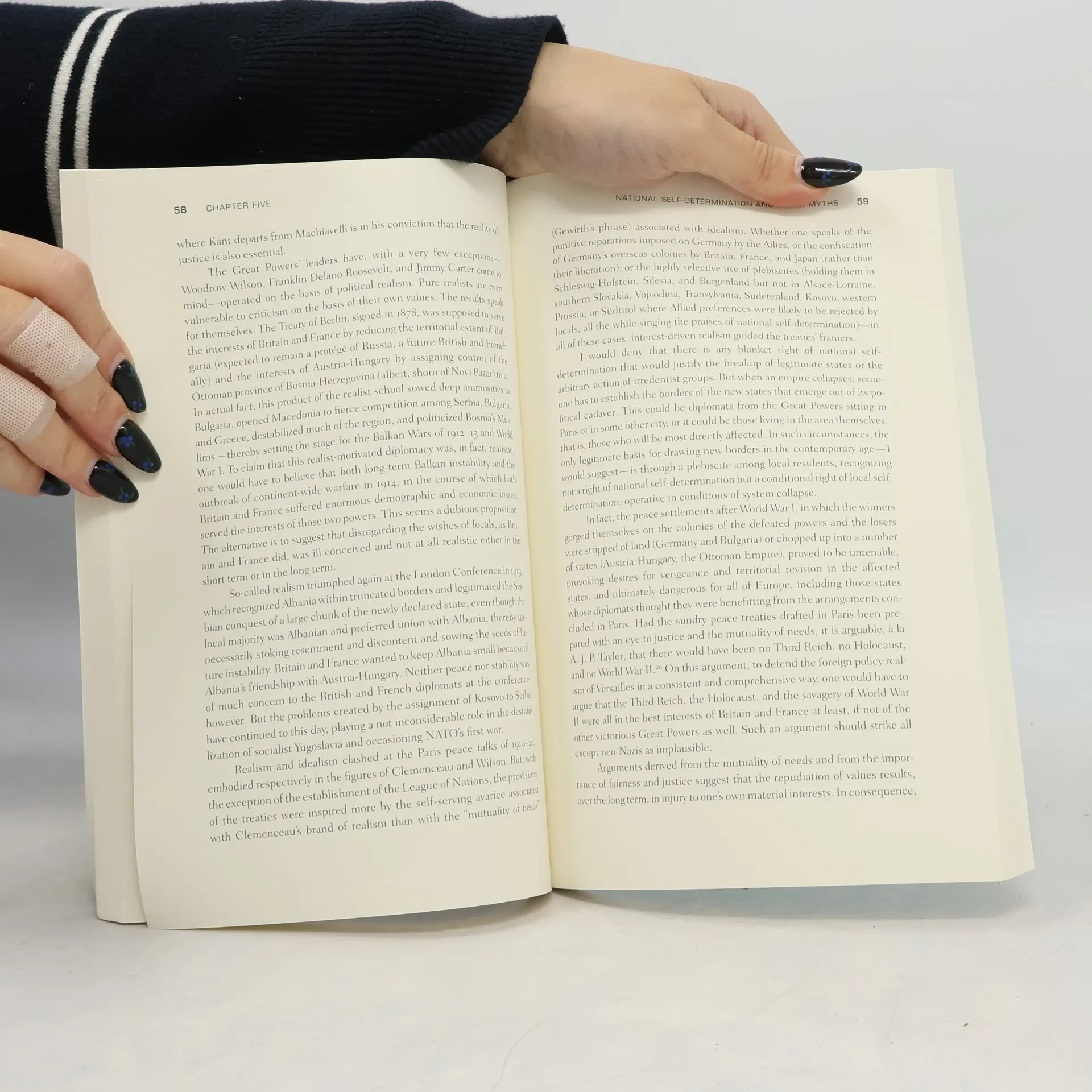
Students of democratic theory have watched the dramatic transformation of Eastern Europe from communism to various forms of democracy in the last two decades. With her unique blend of theory and empirical analysis, veteran observer Sabrina P. Ramet offers clear insight into the processes, challenges, and accomplishments of this area. Drawing on a classical understanding of “liberalism” based on a philosophy of Natural Law, she probes the issues of capitalism, national sovereignty and self-determination, gender inequality, and political legitimacy in the context of Eastern Europe’s particular experience. She also explores the limitations of classical liberalism and argues for the extension of liberal principles to encompass the rights of women and protection of all species as well as the environment. Political theorists, political scientists, students of Eastern Europe, and those interested in the larger questions of political philosophy will be richly rewarded in their reading of this volume by a renowned scholar of Eastern European politics.
Book purchase
The Liberal Project and the Transformation of Democracy, Sabrina P. Ramet
- Language

- Released
- 2007
- Binding
- (Paperback),
- Book condition
- Very Good
- Price
- €6.89
Payment methods
No one has rated yet.
- Title
- The Liberal Project and the Transformation of Democracy
- Subtitle
- The Case of East Central Europe
- Language
- English
- Authors
- Sabrina P. Ramet
- Publisher
- Texas A&M University Press
- Released
- 2007
- Format
- Paperback
- Pages
- 192
- ISBN10
- 1585445797
- ISBN13
- 9781585445790
- Series
- Categories
- Description
- Students of democratic theory have watched the dramatic transformation of Eastern Europe from communism to various forms of democracy in the last two decades. With her unique blend of theory and empirical analysis, veteran observer Sabrina P. Ramet offers clear insight into the processes, challenges, and accomplishments of this area. Drawing on a classical understanding of “liberalism” based on a philosophy of Natural Law, she probes the issues of capitalism, national sovereignty and self-determination, gender inequality, and political legitimacy in the context of Eastern Europe’s particular experience. She also explores the limitations of classical liberalism and argues for the extension of liberal principles to encompass the rights of women and protection of all species as well as the environment. Political theorists, political scientists, students of Eastern Europe, and those interested in the larger questions of political philosophy will be richly rewarded in their reading of this volume by a renowned scholar of Eastern European politics.