



Motives for Fiction
Authors
More about the book
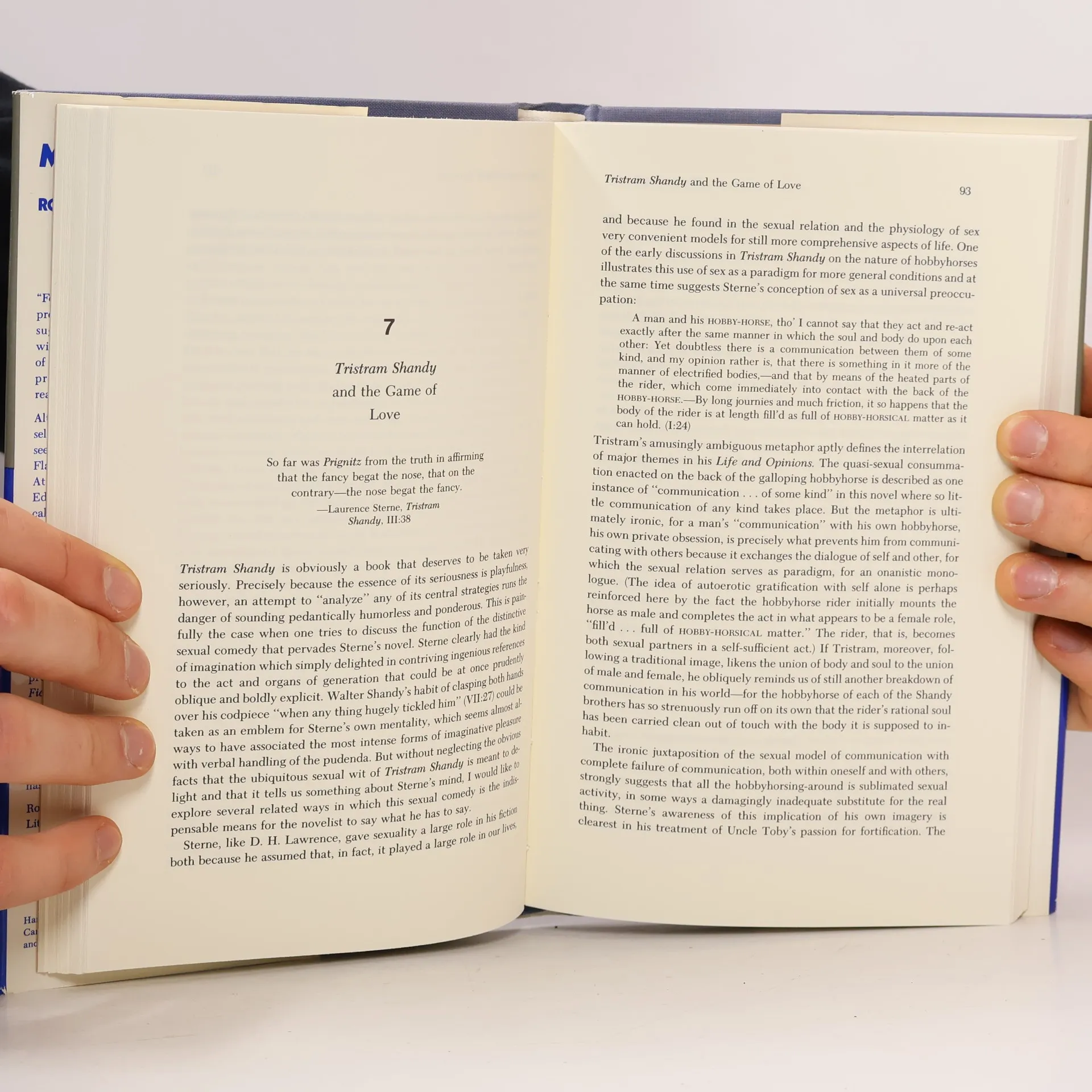
In his preface, Robert Alter emphasizes the enduring significance of the novel and explores the complexities of mimesis in fiction. He investigates why this imitation of reality remains compelling despite its challenges. Alter analyzes a diverse array of novels, from the self-aware styles of Sterne and Nabokov to the seemingly realistic works of Dickens, Flaubert, John Fowles, and early Norman Mailer. He also engages with critics like Edmund Wilson and Alfred Kazin, as well as contemporary critical movements. Each essay centers on a specific book, author, or literary movement, using these as a springboard to delve into broader intellectual themes. Through careful examination of selected passages and the interplay of images, themes, and ideas, Alter illuminates both the specific texts and the overarching issues at play. Unlike recent discussions that often revolve around a singular thesis, this work adopts an empirical approach, defining mimesis through critical readings of a wide range of literary works. With intelligence and humor, the book raises questions about whether contemporary fiction adequately fulfills the responsibilities of mimesis, suggesting a nostalgic yearning for a deeper engagement with this literary task.
Book purchase
Motives for Fiction, Robert Alter
- Language

- Released
- 1984
- Binding
- (Hardcover),
- Book condition
- Good
- Price
- €5.29
Payment methods
No one has rated yet.
- Title
- Motives for Fiction
- Language
- English
- Authors
- Robert Alter
- Publisher
- Harvard University Press
- Released
- 1984
- Format
- Hardcover
- Pages
- 248
- ISBN10
- 0674587626
- ISBN13
- 9780674587625
- Series
- Description
- In his preface, Robert Alter emphasizes the enduring significance of the novel and explores the complexities of mimesis in fiction. He investigates why this imitation of reality remains compelling despite its challenges. Alter analyzes a diverse array of novels, from the self-aware styles of Sterne and Nabokov to the seemingly realistic works of Dickens, Flaubert, John Fowles, and early Norman Mailer. He also engages with critics like Edmund Wilson and Alfred Kazin, as well as contemporary critical movements. Each essay centers on a specific book, author, or literary movement, using these as a springboard to delve into broader intellectual themes. Through careful examination of selected passages and the interplay of images, themes, and ideas, Alter illuminates both the specific texts and the overarching issues at play. Unlike recent discussions that often revolve around a singular thesis, this work adopts an empirical approach, defining mimesis through critical readings of a wide range of literary works. With intelligence and humor, the book raises questions about whether contemporary fiction adequately fulfills the responsibilities of mimesis, suggesting a nostalgic yearning for a deeper engagement with this literary task.