

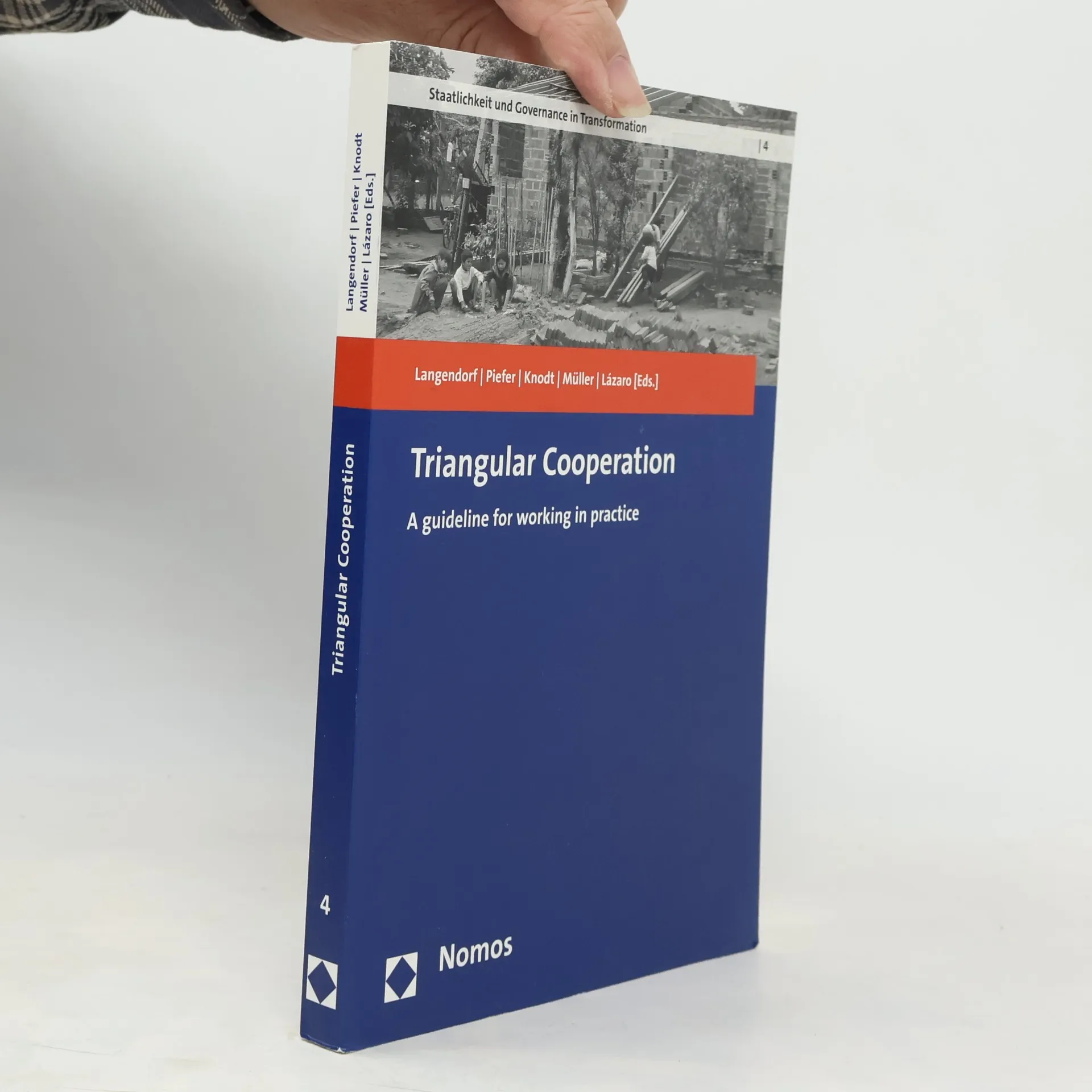

Staatlichkeit und Governance in Transformation - 4: Triangular Cooperation
A guideline for working in practice
More about the book
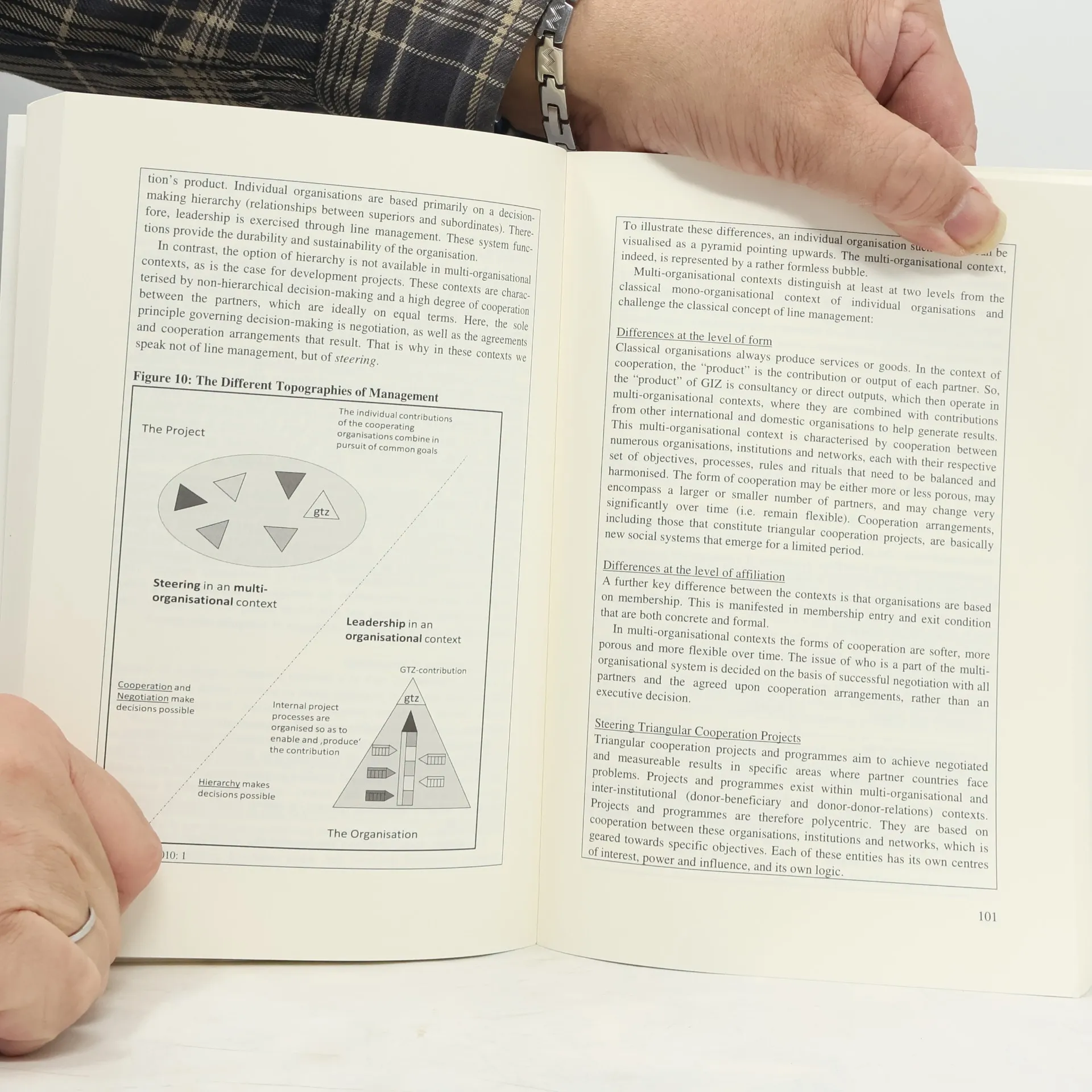
Triangular cooperation is a relatively new form of development cooperation gaining increasing international attention. As it combines the know-how of three partners, it shows good potential especially in the beneficiary country. Triangular cooperation links North-South and South-South cooperation, further complements the toolkit of international cooperation and forges horizontality among partners. In practice, however, triangular cooperation is not an easy task and requires joint efforts of all actors involved. The publication provides practical orientation, empirical evidence and theoretical reflections on the topic. This is guaranteed through the joint initiative of practitioners from the Deutsche Gesellschaft für Internationale Zusammenarbeit (GIZ) and political scientists from the Technical University of Darmstadt. Moreover, in 16 case studies, international experts from academia and practice present their experience and discuss essential aspects of triangular cooperation.
Book purchase
Staatlichkeit und Governance in Transformation - 4: Triangular Cooperation, MÜLLER, Piefer, Julia Langendorf, Knodt, Lázaro
- Language

- Released
- 2012
- Binding
- (Paperback),
- Book condition
- Very Good
- Price
- €32.39
Payment methods
No one has rated yet.
- Title
- Staatlichkeit und Governance in Transformation - 4: Triangular Cooperation
- Subtitle
- A guideline for working in practice
- Language
- English
- Authors
- MÜLLER, Piefer, Julia Langendorf, Knodt, Lázaro
- Publisher
- Nomos
- Released
- 2012
- Format
- Paperback
- Pages
- 206
- ISBN10
- 3832979751
- ISBN13
- 9783832979751
- Series
- Tags
- Politics
- Description
- Triangular cooperation is a relatively new form of development cooperation gaining increasing international attention. As it combines the know-how of three partners, it shows good potential especially in the beneficiary country. Triangular cooperation links North-South and South-South cooperation, further complements the toolkit of international cooperation and forges horizontality among partners. In practice, however, triangular cooperation is not an easy task and requires joint efforts of all actors involved. The publication provides practical orientation, empirical evidence and theoretical reflections on the topic. This is guaranteed through the joint initiative of practitioners from the Deutsche Gesellschaft für Internationale Zusammenarbeit (GIZ) and political scientists from the Technical University of Darmstadt. Moreover, in 16 case studies, international experts from academia and practice present their experience and discuss essential aspects of triangular cooperation.