

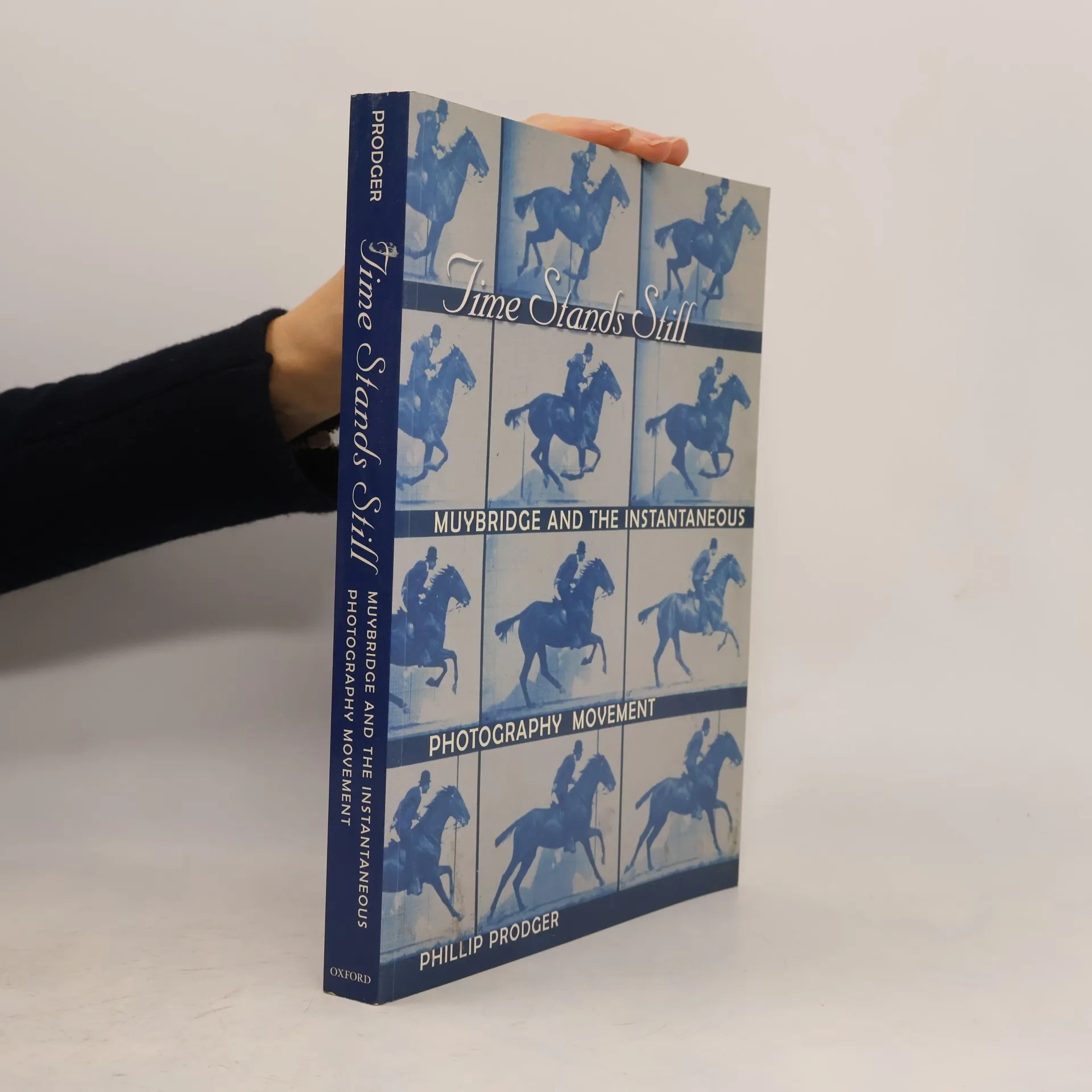
Time Stands Still
Muybridge and the Instantaneous Photography Movement
Authors
Parameters
- 328 pages
- 12 hours of reading
More about the book
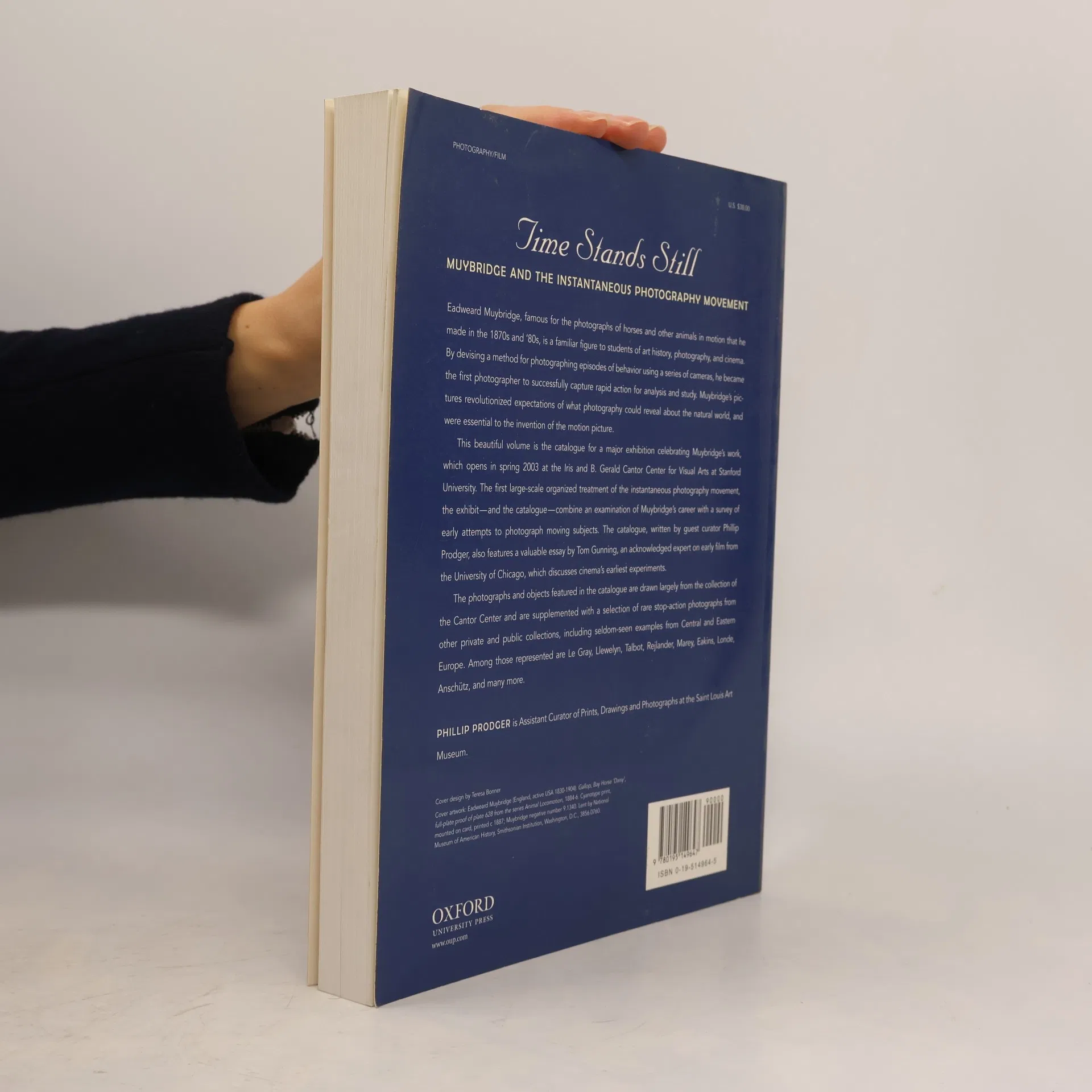
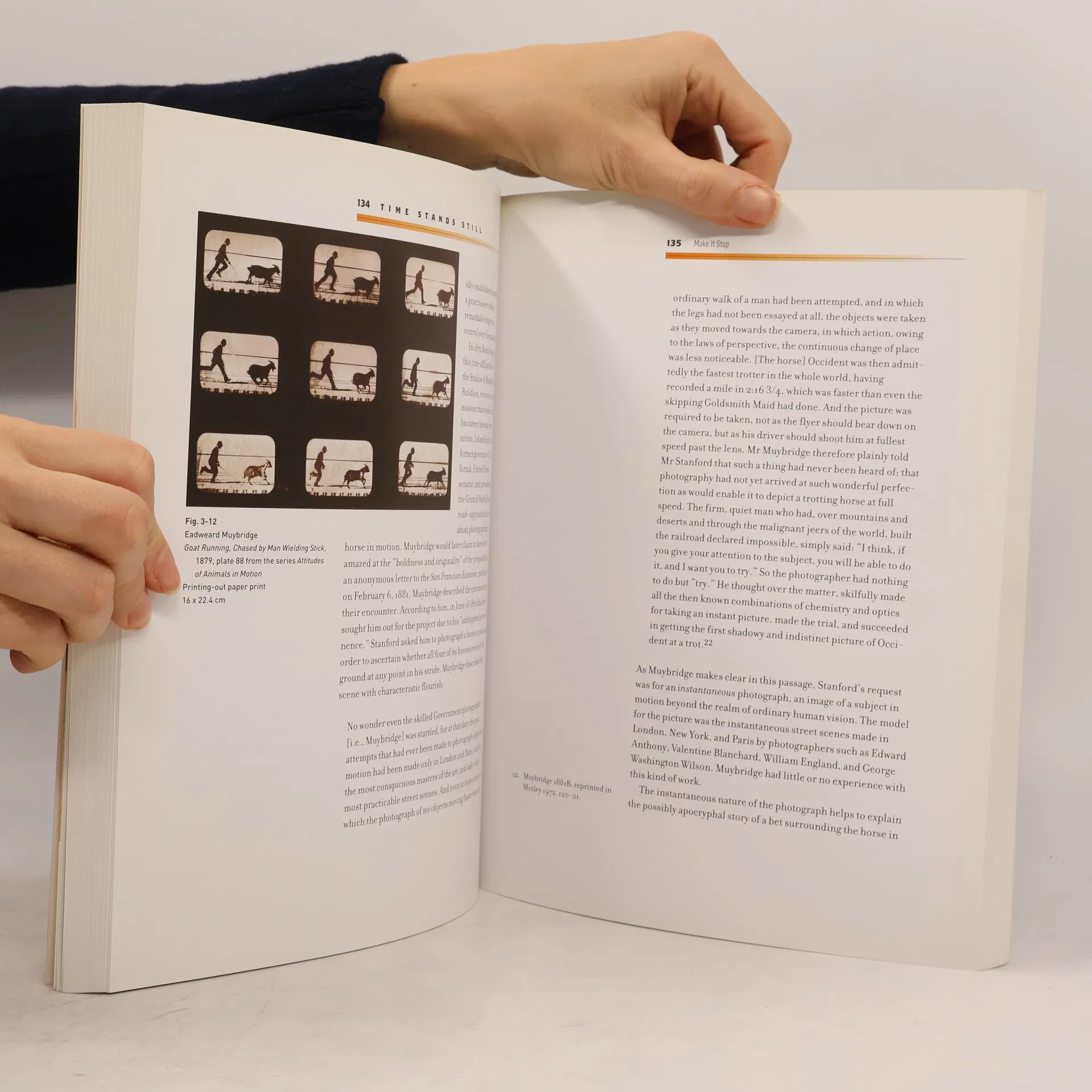
Eadweard Muybridge, a pioneering innovator of the 19th century, is well-known in art history, photography, and cinema. His most notable contributions are the sequential photographs of animals in motion from the 1870s and '80s, where he first used photography to analyze rapid action. By employing a series of cameras, he created groundbreaking images that transformed perceptions of photography's capabilities and paved the way for the motion picture's invention in the mid-1890s. The accompanying catalogue celebrates Muybridge's work through a major exhibition, marking the first organized treatment of the instantaneous photography movement, which is essential to the evolution of photography into motion pictures. Opening in spring 2003 at the Iris and B. Gerald Cantor Center for Visual Arts at Stanford University and touring through 2004, the exhibition examines Muybridge's career alongside early efforts to capture motion. Guest curator Phillip Prodger leads the catalogue, supplemented by an insightful essay on early cinema by Tom Gunning. The exhibition features Muybridge's zoopraxiscope, drawings, ephemera, and photographs spanning from the 1830s to the completion of his encyclopedic work, Animal Locomotion, in 1887. The collection includes contributions from various photographers and filmmakers, showcasing the evolution of stop-action photography.
Book purchase
Time Stands Still, Phillip Prodger
- Language

- Released
- 2003
- Binding
- (Paperback),
- Book condition
- Very Good
- Price
- €6.49
Payment methods
No one has rated yet.
- Title
- Time Stands Still
- Subtitle
- Muybridge and the Instantaneous Photography Movement
- Language
- English
- Authors
- Phillip Prodger
- Publisher
- Oxford University Press
- Released
- 2003
- Format
- Paperback
- Pages
- 328
- ISBN10
- 0195149645
- ISBN13
- 9780195149647
- Series
- Categories
- Tags
- Historical Themes, Business, References & Manuals, Art, Science, USA, Exhibition Catalogues, History of Art
- Description
- Eadweard Muybridge, a pioneering innovator of the 19th century, is well-known in art history, photography, and cinema. His most notable contributions are the sequential photographs of animals in motion from the 1870s and '80s, where he first used photography to analyze rapid action. By employing a series of cameras, he created groundbreaking images that transformed perceptions of photography's capabilities and paved the way for the motion picture's invention in the mid-1890s. The accompanying catalogue celebrates Muybridge's work through a major exhibition, marking the first organized treatment of the instantaneous photography movement, which is essential to the evolution of photography into motion pictures. Opening in spring 2003 at the Iris and B. Gerald Cantor Center for Visual Arts at Stanford University and touring through 2004, the exhibition examines Muybridge's career alongside early efforts to capture motion. Guest curator Phillip Prodger leads the catalogue, supplemented by an insightful essay on early cinema by Tom Gunning. The exhibition features Muybridge's zoopraxiscope, drawings, ephemera, and photographs spanning from the 1830s to the completion of his encyclopedic work, Animal Locomotion, in 1887. The collection includes contributions from various photographers and filmmakers, showcasing the evolution of stop-action photography.