

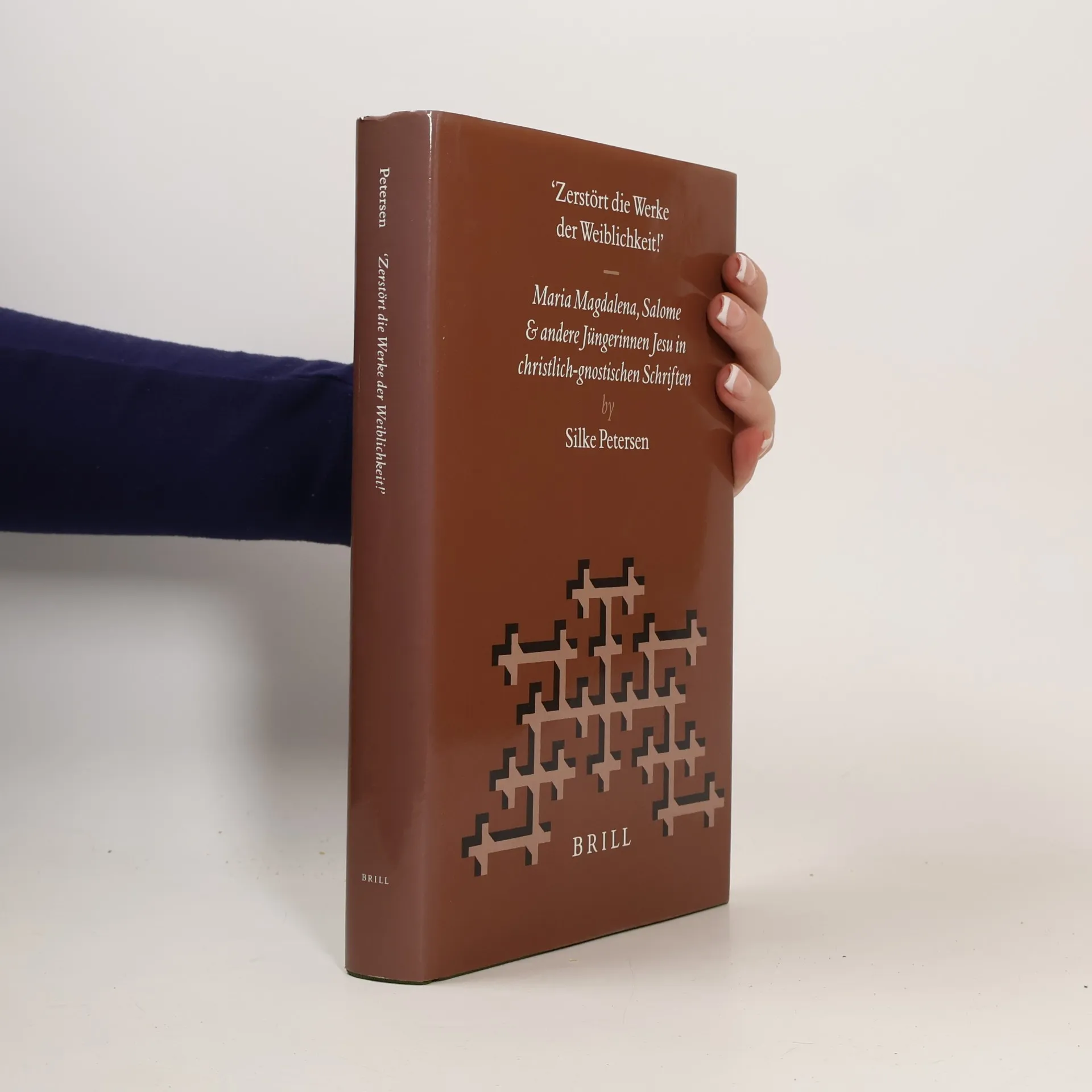

Nag Hammadi and Manichaean Studies - 48: Zerstört die Werke der Weiblichkeit!
Maria Magdalena, Salome und andere Jüngerinnen Jesu in christlich-gnostischen Schriften
Authors
Parameters
- 383 pages
- 14 hours of reading
More about the book
This book considers the place of the women disciples of Jesus in Christian Gnostic documents. It examines their significance and representation in Nag Hammadi documents (GosThom, GosPhil, SophJesChr, DialSav, 1ApocJas) and other early gnostic sources (GosMary, Pistis Sophia), in Patristic anti-Gnostic documents, and in Manichaean Psalms. In these documents, mostly composed during the second and third centuries C.E., Mary Magdalene, Salome, Martha and Mary, Arsinoe, Mary, the mother of Jesus, and other anonymous women appear as female disciples. A central issue of the book is the relation between the central role of these women disciples and the apparently contradictory statements about femininity and masculinity which appear in the same texts. The negative view of femininity proves to offer a background to the high assessment of the role of particular women. These female disciples transcend their femininity and become "male".
Book purchase
Nag Hammadi and Manichaean Studies - 48: Zerstört die Werke der Weiblichkeit!, Silke Petersen
- Language

- Released
- 1999
- Binding
- (Hardcover),
- Book condition
- Very Good
- Price
- €131.39
Payment methods
No one has rated yet.
- Title
- Nag Hammadi and Manichaean Studies - 48: Zerstört die Werke der Weiblichkeit!
- Subtitle
- Maria Magdalena, Salome und andere Jüngerinnen Jesu in christlich-gnostischen Schriften
- Language
- German
- Authors
- Silke Petersen
- Publisher
- Brill
- Released
- 1999
- Format
- Hardcover
- Pages
- 383
- ISBN10
- 9004114491
- ISBN13
- 9789004114494
- Series
- Categories
- Tags
- Professional Literature, Inspiration, Ethics, History of Religion, Humanities, Religious Studies, Gnosticism
- Description
- This book considers the place of the women disciples of Jesus in Christian Gnostic documents. It examines their significance and representation in Nag Hammadi documents (GosThom, GosPhil, SophJesChr, DialSav, 1ApocJas) and other early gnostic sources (GosMary, Pistis Sophia), in Patristic anti-Gnostic documents, and in Manichaean Psalms. In these documents, mostly composed during the second and third centuries C.E., Mary Magdalene, Salome, Martha and Mary, Arsinoe, Mary, the mother of Jesus, and other anonymous women appear as female disciples. A central issue of the book is the relation between the central role of these women disciples and the apparently contradictory statements about femininity and masculinity which appear in the same texts. The negative view of femininity proves to offer a background to the high assessment of the role of particular women. These female disciples transcend their femininity and become "male".