

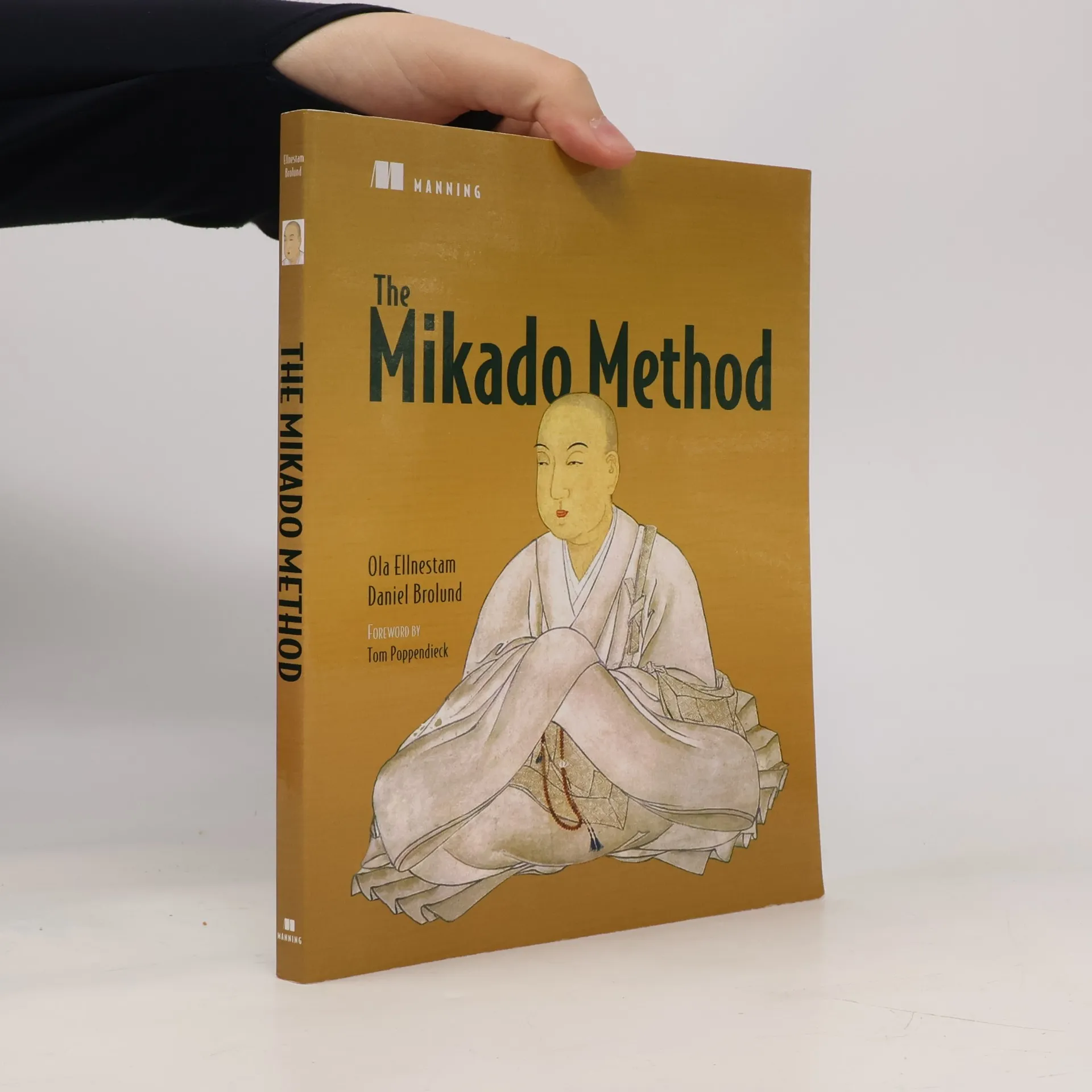


The Mikado Method
More about the book
Technical debt represents the unfinished work required to consider a job complete, often viewed as the cost of postponing necessary tasks. The Mikado Method offers a systematic approach to identifying and eliminating technical debt by surfacing dependencies within a codebase. Named after the game "pick-up sticks," the method involves carefully removing sticks from a pile without disturbing others, ultimately exposing the central issue, or "Mikado." This metaphor illustrates the process of untangling intertwined dependencies to resolve key problems. The book outlines a pragmatic and empirical approach to planning and executing significant technical improvements in existing software systems. With simple yet versatile rules, it guides readers through a step-by-step system for assessing technical debt, mapping dependencies, and safely approaching their main objective. A key outcome of this method is the Mikado Graph, a minimalistic and relevant roadmap that provides insight into the system's workings, serving as an effective information radiator. Through this process, readers gain a deeper understanding of their software architecture while systematically addressing technical challenges.
Book purchase
The Mikado Method, Tom Poppendieck, Ola Ellnestam, Daniel Brolund
- Language

- Released
- 2014
- Binding
- (Paperback)
Payment methods
No one has rated yet.
- Title
- The Mikado Method
- Language
- English
- Authors
- Tom Poppendieck, Ola Ellnestam, Daniel Brolund
- Publisher
- Manning Publications
- Released
- 2014
- Format
- Paperback
- Pages
- 240
- ISBN10
- 1617291218
- ISBN13
- 9781617291210
- Series
- Categories
- Description
- Technical debt represents the unfinished work required to consider a job complete, often viewed as the cost of postponing necessary tasks. The Mikado Method offers a systematic approach to identifying and eliminating technical debt by surfacing dependencies within a codebase. Named after the game "pick-up sticks," the method involves carefully removing sticks from a pile without disturbing others, ultimately exposing the central issue, or "Mikado." This metaphor illustrates the process of untangling intertwined dependencies to resolve key problems. The book outlines a pragmatic and empirical approach to planning and executing significant technical improvements in existing software systems. With simple yet versatile rules, it guides readers through a step-by-step system for assessing technical debt, mapping dependencies, and safely approaching their main objective. A key outcome of this method is the Mikado Graph, a minimalistic and relevant roadmap that provides insight into the system's workings, serving as an effective information radiator. Through this process, readers gain a deeper understanding of their software architecture while systematically addressing technical challenges.