

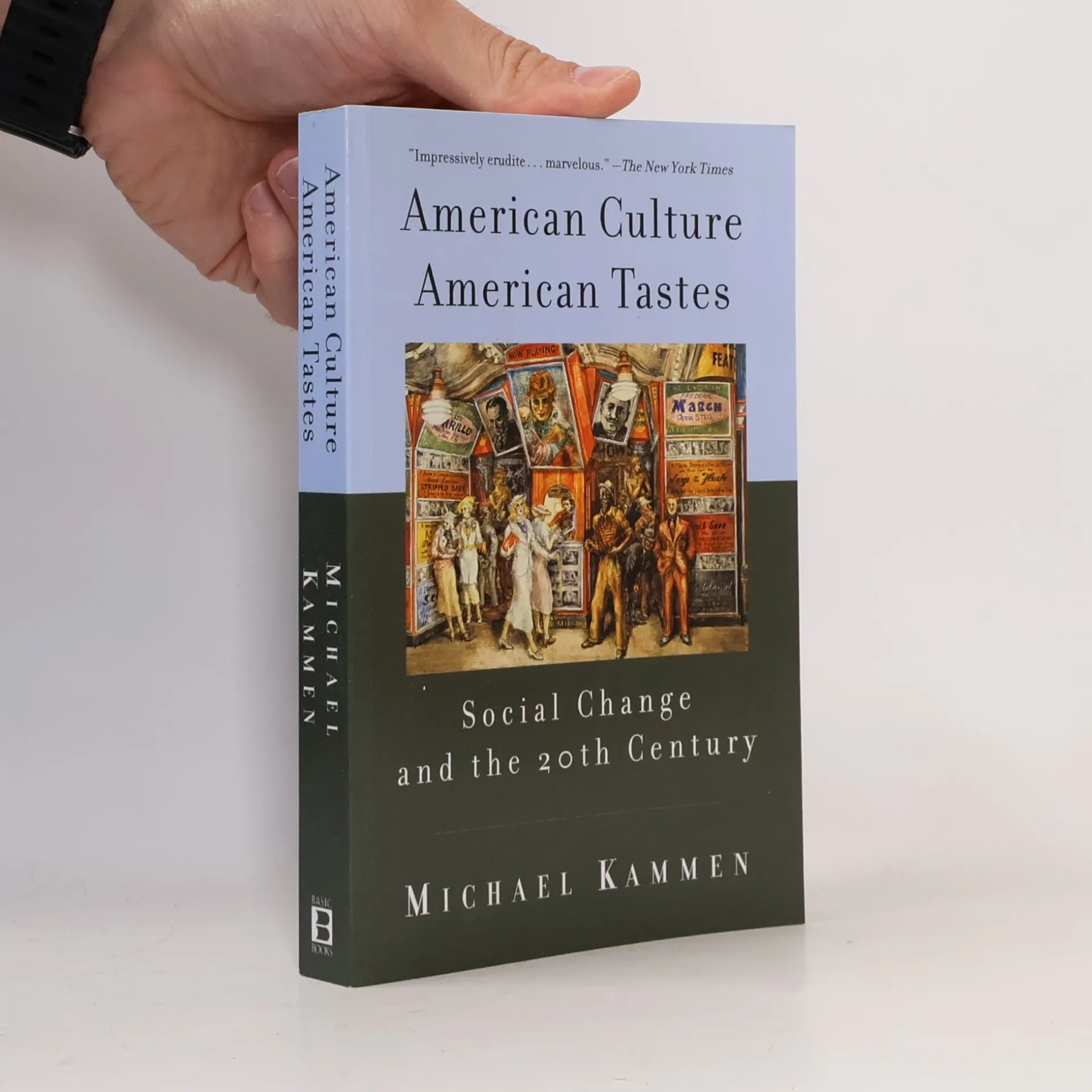

American Culture, American Tastes
Social Change and the 20th Century
Authors
More about the book
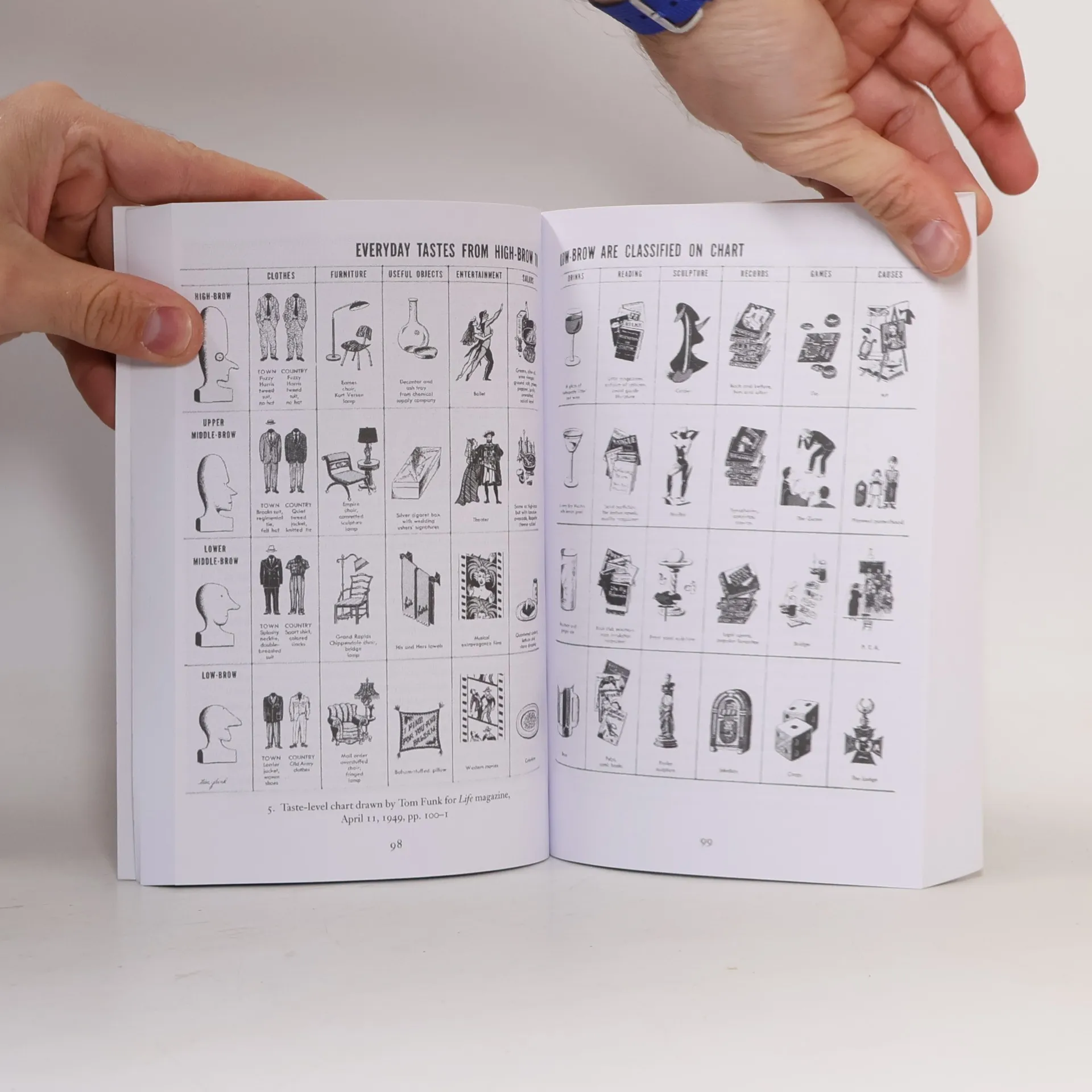
In American Culture, American Tastes , Michael Kammen leads us on an entertaining, thought-provoking tour of America's changing tastes, uses of leisure, and the shifting perceptions that have accompanied them throughout our nation's history. Starting at the point in time that late-nineteenth-century popular culture began to evolve into post-WWII mass culture, Kammen charts the influence of advertising and opinion polling; the development of standardized products, shopping centers, and mass marketing; the separation of youth and adult culture; the relationship between "high" and "low" art; the commercialization of organized entertainment; and the ways in which television has shaped mass culture and consumerism has reconfigured it. In doing so, he draws from sources as varied and rich as the work of esteemed cultural theorists, "The Simpsons," jigsaw puzzles, Walter Winchell's gossip columns, Whitman's poetry, Warhol's art, "Sesame Street," and the Book-of-the-Month Club. With wit and ingenuity Kammen traces the emergence of American mass culture and the contested meanings of leisure, taste, consumer culture, and social divisions that it has spawned.
Book purchase
American Culture, American Tastes, Michael G. Kammen
- Language

- Released
- 2000
- Binding
- (Paperback),
- Book condition
- Very Good
- Price
- €6.49
Payment methods
No one has rated yet.
- Title
- American Culture, American Tastes
- Subtitle
- Social Change and the 20th Century
- Language
- English
- Authors
- Michael G. Kammen
- Publisher
- Basic Books
- Released
- 2000
- Format
- Paperback
- Pages
- 352
- ISBN10
- 0465037291
- ISBN13
- 9780465037292
- Series
- Description
- In American Culture, American Tastes , Michael Kammen leads us on an entertaining, thought-provoking tour of America's changing tastes, uses of leisure, and the shifting perceptions that have accompanied them throughout our nation's history. Starting at the point in time that late-nineteenth-century popular culture began to evolve into post-WWII mass culture, Kammen charts the influence of advertising and opinion polling; the development of standardized products, shopping centers, and mass marketing; the separation of youth and adult culture; the relationship between "high" and "low" art; the commercialization of organized entertainment; and the ways in which television has shaped mass culture and consumerism has reconfigured it. In doing so, he draws from sources as varied and rich as the work of esteemed cultural theorists, "The Simpsons," jigsaw puzzles, Walter Winchell's gossip columns, Whitman's poetry, Warhol's art, "Sesame Street," and the Book-of-the-Month Club. With wit and ingenuity Kammen traces the emergence of American mass culture and the contested meanings of leisure, taste, consumer culture, and social divisions that it has spawned.