

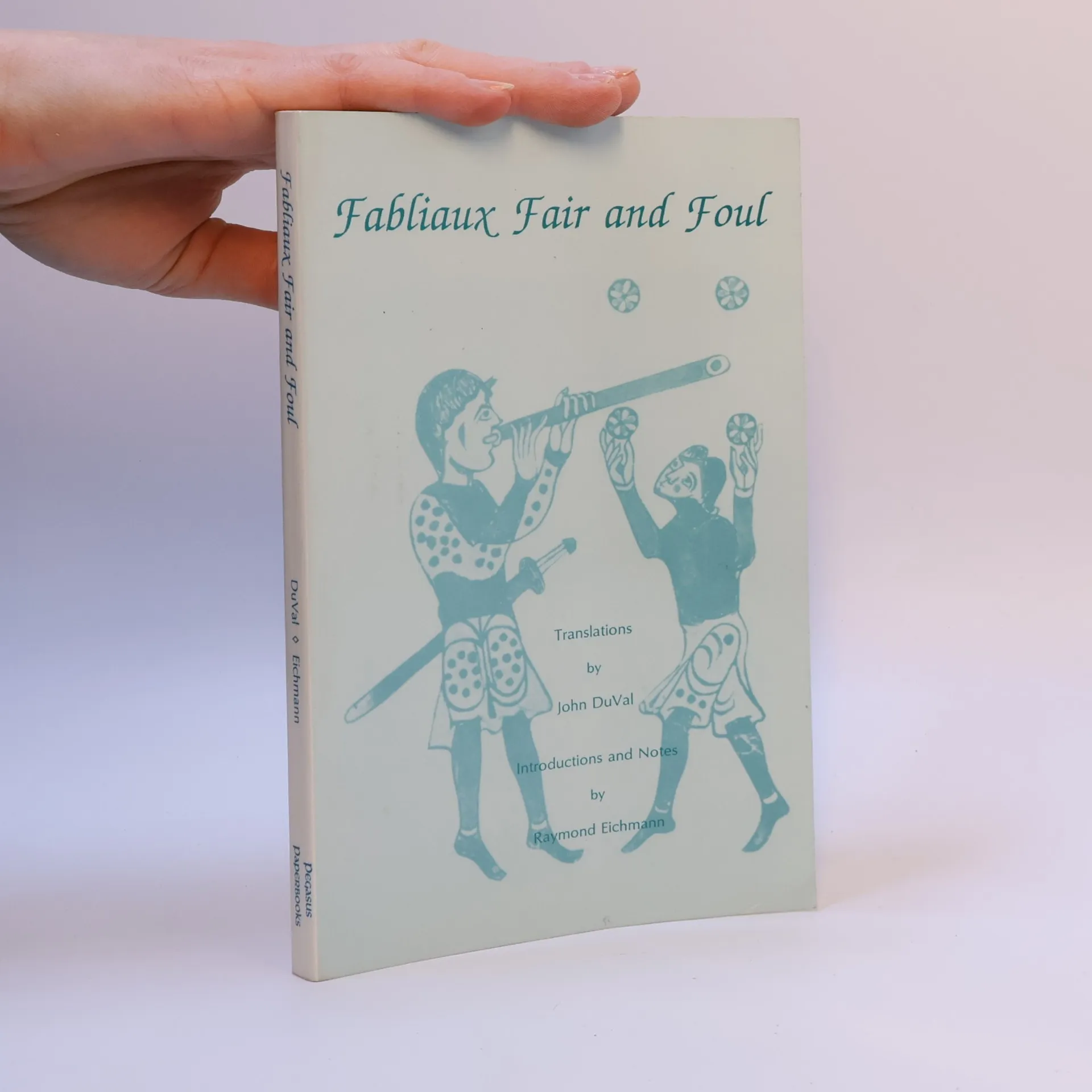

Fabliaux Fair and Foul
More about the book
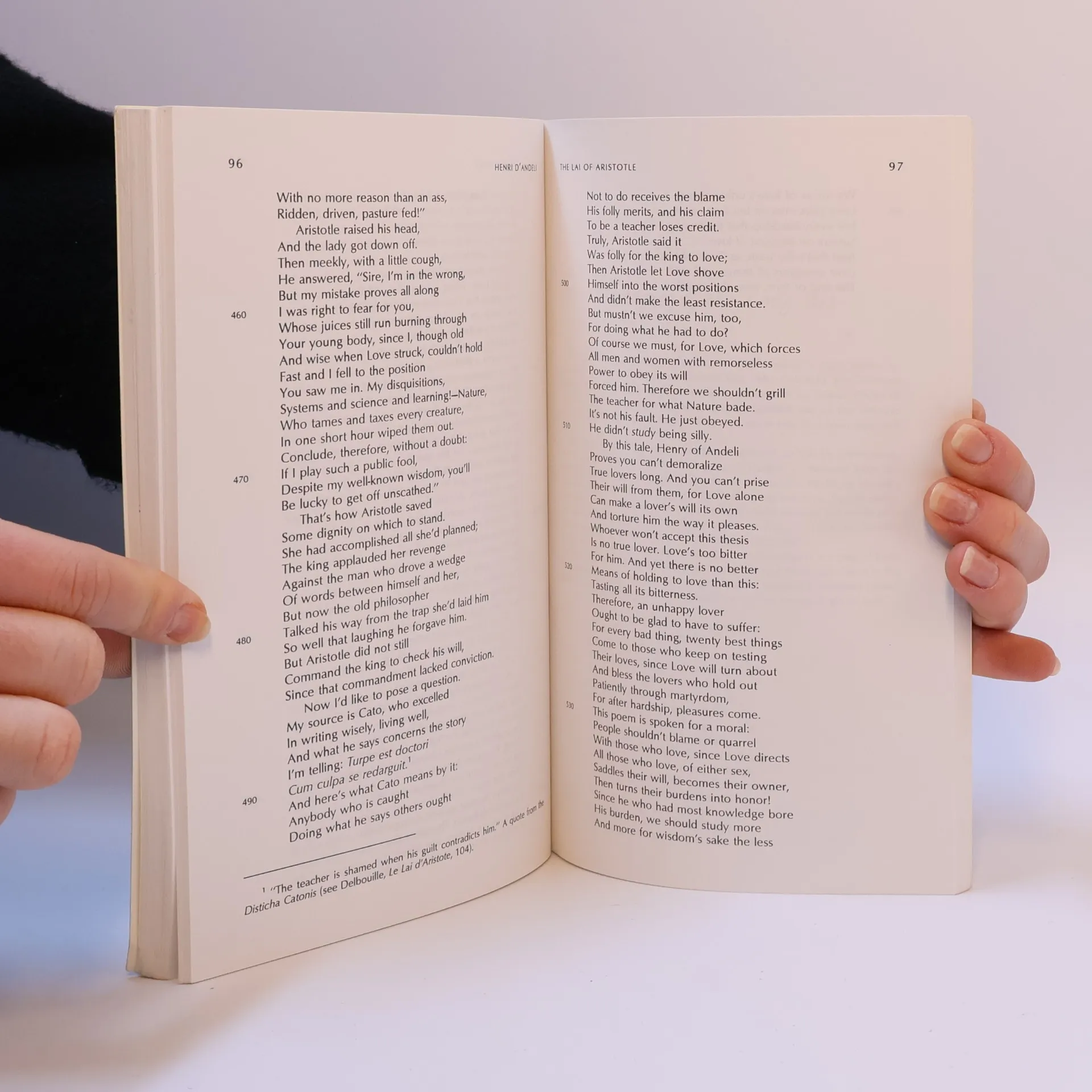
Fabliaux, Fair and Foul, a collection of twenty tales in translation, represents one of the most important medieval genres, the amusing verse tale, which flourished in France from the twelfth through the early fourteenth centuries. Critics now position fabliaux at the center of medieval literature and their pertinence to social classes, parodic nature, joyful tone, their derision of pomposity as well as their self-mockery, place them as counterparts to other medieval masterpieces.The comprehensive introduction discusses the origin and history of the genre and the reasons for its immense popularity in the Middle Ages, the role of jongleurs in performance and composition, and messages inherent in the tales. The fabliaux are subtly humorous, frankly scatological, both common and courtly. Each tale is prefaced by a concise introduction. A substantial and useful bibliography completes the volume.
Book purchase
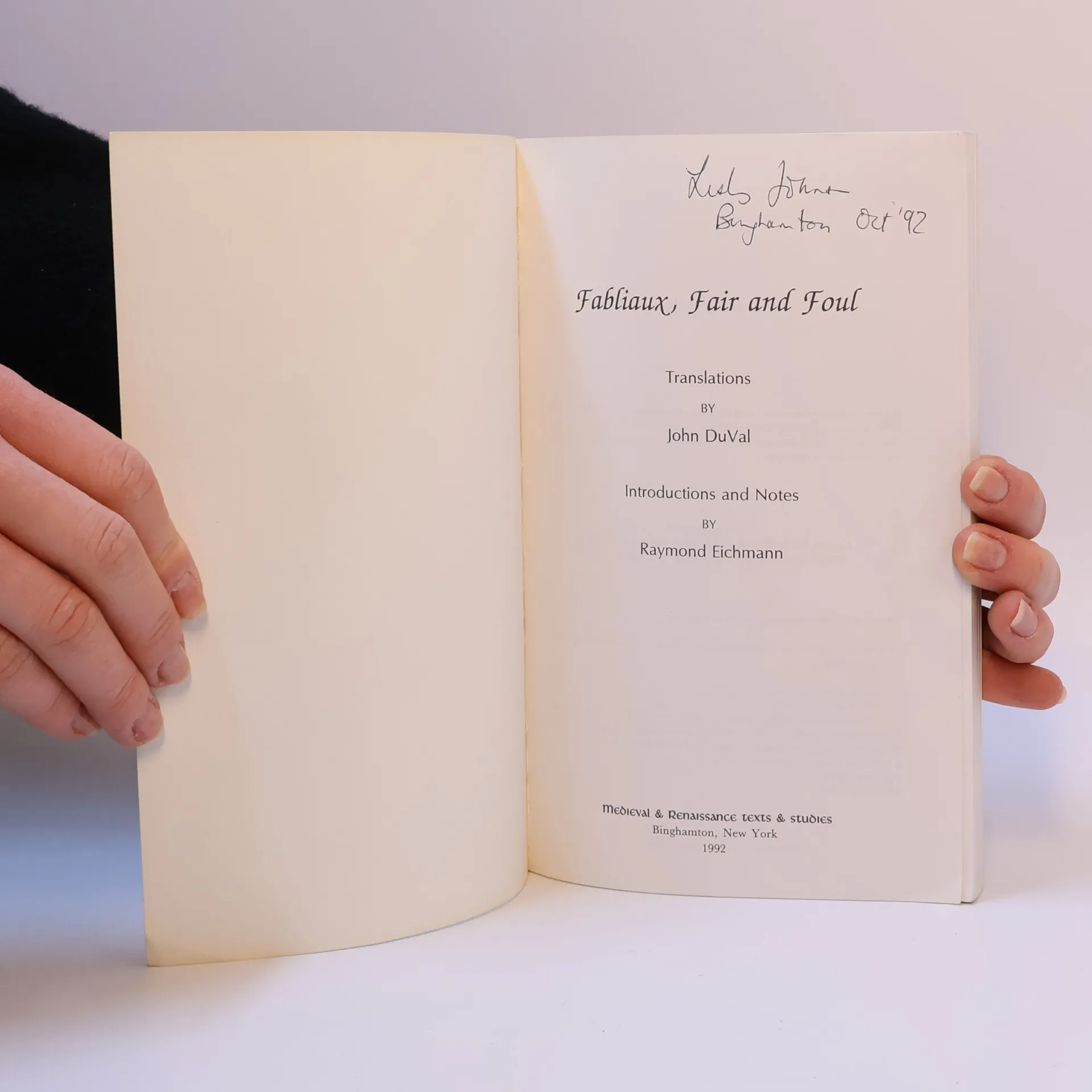
Fabliaux Fair and Foul, John N. Duvall, Raymond Eichmann
- Language

- Released
- 1992
- Binding
- (Paperback),
- Book condition
- Damaged
- Price
- €7.68
Payment methods
No one has rated yet.
- Title
- Fabliaux Fair and Foul
- Language
- English
- Authors
- John N. Duvall, Raymond Eichmann
- Released
- 1992
- Format
- Paperback
- Pages
- 165
- ISBN10
- 0866981144
- ISBN13
- 9780866981149
- Series
- Categories
- Tags
- Description
- Fabliaux, Fair and Foul, a collection of twenty tales in translation, represents one of the most important medieval genres, the amusing verse tale, which flourished in France from the twelfth through the early fourteenth centuries. Critics now position fabliaux at the center of medieval literature and their pertinence to social classes, parodic nature, joyful tone, their derision of pomposity as well as their self-mockery, place them as counterparts to other medieval masterpieces.The comprehensive introduction discusses the origin and history of the genre and the reasons for its immense popularity in the Middle Ages, the role of jongleurs in performance and composition, and messages inherent in the tales. The fabliaux are subtly humorous, frankly scatological, both common and courtly. Each tale is prefaced by a concise introduction. A substantial and useful bibliography completes the volume.