

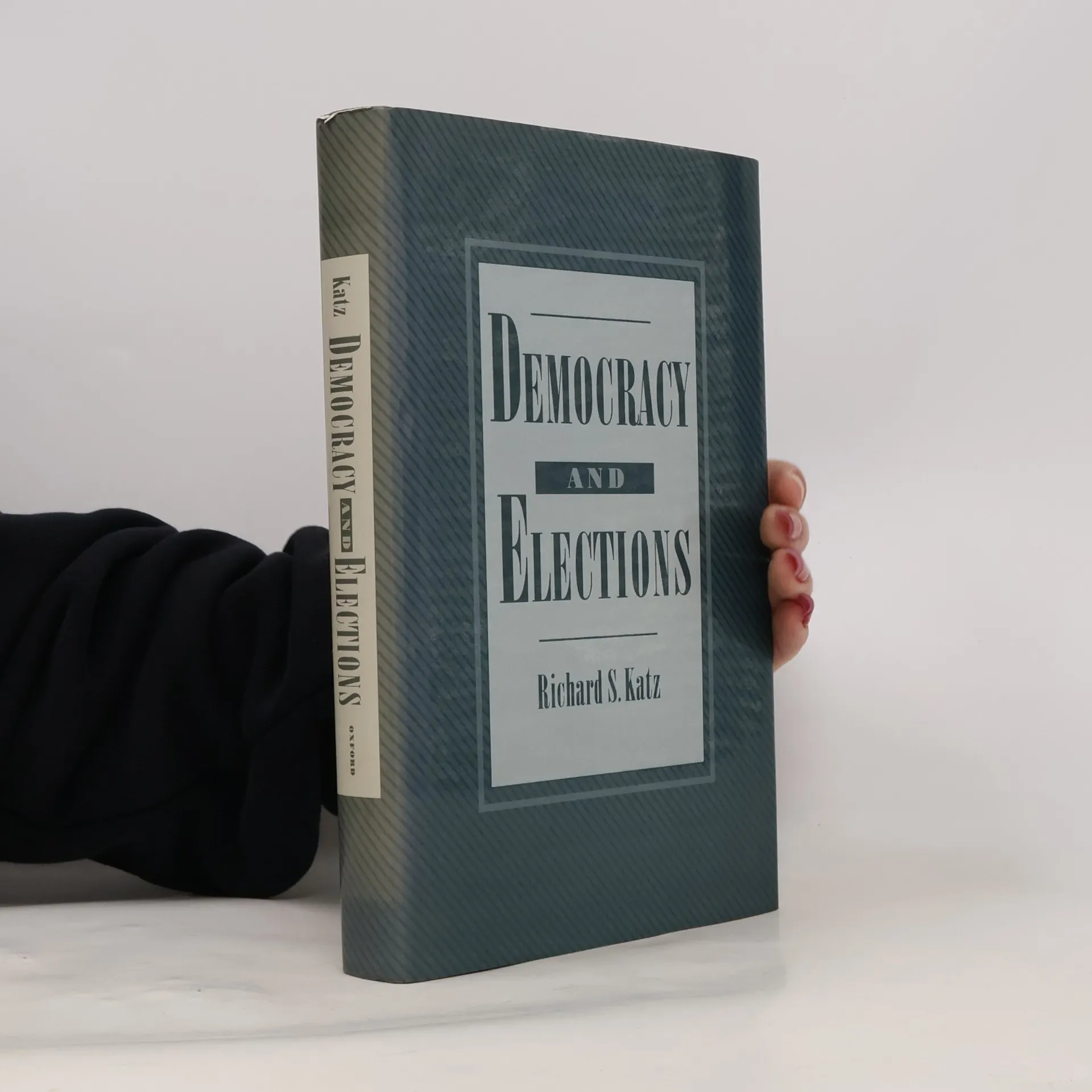


Democracy and Elections
Authors
Parameters
- 344 pages
- 13 hours of reading
More about the book
This book addresses the relationship between four values of democratic theory--popular sovereignty, liberalism, personal development, and community--and the electoral institutions used to implement them. After a chapter sketching the electoral institutions of Athens, the Roman Republic, the medieval church, and pre-reform Britain, the book examines what role elections are expected to play in a variety of democratic theories. The major theme of this section is that the four values are largely incompatible; therefore, different choices must be made between them. Part II addresses the empirical consequences of electoral institutions by examining electoral systems worldwide with the objective of finding the institutions most appropriate to each model of democracy. This impressive study provides empirical information on more electoral institutions in more countries than has ever been available in one volume before.
Book purchase
Democracy and Elections, Richard S. Katz
- Language

- Released
- 1997
- Binding
- (Hardcover),
- Book condition
- Very Good
- Price
- €17.39
Payment methods
No one has rated yet.
- Title
- Democracy and Elections
- Language
- English
- Authors
- Richard S. Katz
- Publisher
- Oxford University Press
- Released
- 1997
- Format
- Hardcover
- Pages
- 344
- ISBN10
- 0195044290
- ISBN13
- 9780195044294
- Series
- Categories
- Description
- This book addresses the relationship between four values of democratic theory--popular sovereignty, liberalism, personal development, and community--and the electoral institutions used to implement them. After a chapter sketching the electoral institutions of Athens, the Roman Republic, the medieval church, and pre-reform Britain, the book examines what role elections are expected to play in a variety of democratic theories. The major theme of this section is that the four values are largely incompatible; therefore, different choices must be made between them. Part II addresses the empirical consequences of electoral institutions by examining electoral systems worldwide with the objective of finding the institutions most appropriate to each model of democracy. This impressive study provides empirical information on more electoral institutions in more countries than has ever been available in one volume before.